
Last updated: August 11, 2026
- estimate, about 1 in 6 adults reported migraine or severe headache, and weather is a common trigger in a subset of them.
- A simple diary for 2 to 4 weeks can show the pattern more clearly than memory alone.
- Weather shifts feed that same overloaded system.
- The 3 Weather Conditions That Matter Most Weather is not one neat category.
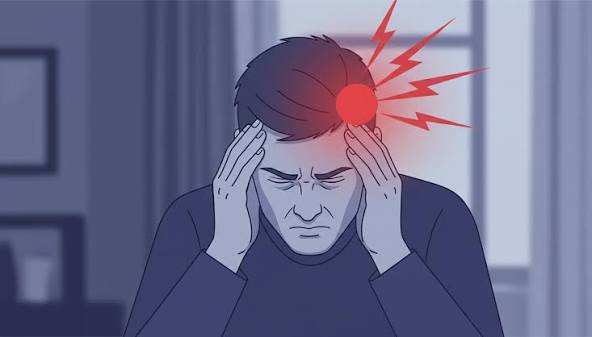
A storm front rolls in, the pressure drops, and a migraine starts brewing. Weather changes and migraines: what happens in your brain is that a sensitive nervous system can tip into attack mode when pressure, heat, humidity, glare, or temperature shifts stack up. Quick answer: in one recent U.S. estimate, about 1 in 6 adults reported migraine or severe headache, and weather is a common trigger in a subset of them. Weather is not “causing” migraine from scratch; it is usually the last push on a brain that is already primed.
What Weather Is Actually Doing to a Migraine-Prone Brain
When the forecast keeps lining up with your pain, take it seriously. A clinician can help if the pattern is frequent or severe. Migraine brains tend to react to change, not just pain itself. The trouble starts when the brain’s sensory network becomes overly responsive. Light, sound, smell, motion, and internal body signals can all feel too loud. Weather shifts feed that same overloaded system.
Here is the short version: your trigeminal nerve system, blood vessel signaling, and brainstem pain pathways are all involved in migraine. When a trigger piles on, the brain can release inflammatory signals such as CGRP, and the attack can unfold. The exact chain is still being studied, but the pattern is strong enough for treatment planning, and a headache specialist can help interpret your pattern. The brain is not simply “stressed,” it is processing sensory change badly. That’s the ugly little trick.
Another wrinkle: when the weather change is abrupt, the body may also have to adapt to pressure, temperature, and hydration shifts at once. Migraine often hates compound triggers. A storm front may bring pressure change, less sunlight, lower sleep quality, and skipped meals if your routine gets knocked around. Any one of those may be manageable. Together, they can tip you over.
For a trustworthy general overview, I’d start with the National Institute of Neurological Disorders and Stroke and the American Migraine Foundation. Both explain migraine as a brain disorder, not just a headache.
Source examples:
– NINDS Migraine page: https://www.ninds.nih.gov/health-information/disorders/migraine
– American Migraine Foundation weather and migraine resources: https://americanmigrainefoundation.org/
Quick check: When your attacks tend to arrive around storms, heat waves, or big temperature swings, this section is probably about your brain’s sensitivity to change, not just the weather itself.
The 3 Weather Conditions That Matter Most
Weather is not one neat category. Your headache diary usually proves that fast. Different conditions affect people in different ways, and the best response depends on which pattern you have. A simple diary for 2 to 4 weeks can show the pattern more clearly than memory alone.
1) Barometric pressure changes
Rain on the radar and a headache before it hits? Barometric pressure is a strong suspect. Some people feel this as head pressure, ear fullness, or a vague “off” feeling before pain starts. I would not assume the pressure itself is the only problem; it may be the signal that the whole environment is shifting, and your nervous system reacts before your conscious mind catches up.
2) Heat, humidity, and dehydration
Hot weather and heavy humidity often point to fluid loss, sleep disruption, and body strain rather than pressure alone. Heat can also increase blood flow changes and make light feel harsher. If you are sweating, skipping water, or eating less, your attack threshold drops. Simple enough. Not easy, though.
3) Bright light and glare
Sunny days can be rough, especially after clouds break. Light may be the main trigger. Migraine brains often process light differently. Snow glare, water reflection, and even the sharp brightness after a storm can matter. This is why sunglasses help some people, but not all sunglasses are equal. Wraparound polarized lenses usually block more glare than standard dark lenses.
| Situation | Best Path | Why Other Options Fail |
|---|---|---|
| Migraine starts before rain or thunderstorms | Track barometric pressure alongside attacks; prepare early with your usual migraine plan and ask a clinician if prevention is needed | Waiting until pain starts often means you miss the window for prevention |
| Migraine rises during hot, humid days | Prioritize hydration, regular meals, cooling, and reduced exertion | “Toughing it out” can worsen dehydration and make attacks harder to stop |
| Migraine hits in bright sun or after weather clears | Use polarized wraparound sunglasses and reduce glare exposure | Dark lenses alone may not block reflected glare well enough |
| Weather triggers are mixed and unpredictable | Track weather, sleep, food, and stress together | Looking at weather alone can hide the real trigger combination |
Quick check: When one weather pattern repeats more than the others, treat that as your main trigger until proven otherwise.
If You Get Migraines Before Storms, Here’s What to Do
If the attack often starts a few hours to a day before a front moves in, stop treating the weather as a surprise. Your goal is to move earlier than the pain, and a clinician can help you decide whether your current plan is early enough.
- Track the timing. Use a migraine app or a simple notes app to record when pain starts and what the weather did that day. I would keep it plain: pressure change, heat, humidity, glare, sleep, food, hydration.
- Watch for your early warning signs. Neck stiffness, yawning, light sensitivity, mood shift, and brain fog can be your earliest clues. Those signs matter more than the calendar forecast.
- Use your doctor-approved acute medicine early. If you have a triptan, gepant, or NSAID plan, the attack is usually easier to stop early than late. If you do not have a plan, that is the first thing to discuss with a clinician.
- Protect your routine. Eat on time, drink water, and avoid long gaps between meals. Weather-triggered migraine often gets worse when routine slips.
- Reduce sensory load. Lower screen brightness, wear sunglasses outside, and cut back on strong smells or loud settings during the vulnerable window.
- Review prevention when the pattern is frequent. If this happens month after month, ask a neurologist or headache specialist whether preventive treatment makes sense for you.
If your attacks are predictable, you can sometimes use that predictability to your advantage. Some people do better with a rescue medication plan; others need preventive treatment because the weather window is too wide. The wrong move is waiting until you are already deep into the attack and then wondering why the medicine feels slow.
This is also where a real headache diary helps. The American Migraine Foundation and the Migraine Trust both recommend tracking attacks and triggers because memory is bad at pattern recognition when pain is involved.
Quick check: When you can say, “My migraine often starts before the rain does,” this is the path to follow.
If Heat or Humidity Is Your Problem, the Answer Changes
Weather-triggered migraine on hot days calls for a different approach. I would focus less on pressure and more on body strain. Heat and humidity can dry you out, disrupt sleep, and make ordinary activity feel harder. That combination lowers your migraine threshold.
The real question is not “How do I beat the weather?” It is “How do I reduce the body stress the weather creates?”
For people prone to heat-triggered attacks, I would do the following:
- Start hydration early in the day. Do not wait until you feel thirsty.
- Keep meals steady. Heat makes skipped meals more likely, and skipped meals are a common migraine problem.
- Use cooling aggressively. Air conditioning, fans, cold packs, cool showers, and shade are not luxuries if heat is a trigger.
- Limit afternoon exertion. If the hottest part of the day is your danger zone, move errands and exercise earlier or later.
- Choose clothing and gear that reduce heat load. Light fabrics, hats, and breathable shoes help more than people expect.
- Talk to a clinician if this is frequent. Recurrent heat-triggered migraine may justify preventive treatment, especially if it keeps you from functioning during warm months.
A generic article will tell you to “stay hydrated,” which is true but incomplete. If you have migraine, hydration is only one part of the answer. Salt balance, food timing, and cooling matter too. If you are vomiting during an attack, or if heat is making you lightheaded, you may need medical advice rather than more self-help.
One honest limitation: when your “heat headache” comes with confusion, fainting, high fever, or severe weakness, that is not a migraine question anymore. That needs urgent evaluation.
Quick check: When your worst attacks happen on hot, humid days and improve when you stay cool, this is the right plan.
When the Standard Advice Is Wrong
If you have already tried the usual advice and it did nothing, the problem may be that the advice did not fit your situation. Weather-related migraine has some awkward edge cases that generic articles miss.
Four situations where the normal advice breaks down
-
Situation: Your attack happens after the weather improves, not during the storm.
What changes: The trigger may be the shift itself, not the rain or heat.
Another way to handle it: Track the 24-hour window before and after the weather swing. Plan around transitions, not just the worst weather. -
Situation: You have daily headache, not just occasional migraine.
What changes: Weather may be one factor in a chronic pattern, but not the whole story.
Another way to handle it: Ask about medication-overuse headache, chronic migraine, sleep apnea, and other causes. Weather-focused self-management alone is too small. -
Situation: Your “weather migraine” only happens with allergies or sinus symptoms.
What changes: Allergies, congestion, and facial pain can mimic or amplify migraine.
Another way to handle it: Treat the allergy component with a clinician’s help, but do not assume sinus pain explains everything. Migraine and allergy can coexist. -
Situation: Your attacks are tied to travel across time zones, altitude, or airplane pressure changes.
What changes: Pressure, sleep loss, dehydration, and schedule disruption stack together.
Another way to handle it: Use a travel plan: hydrate, protect sleep, keep medicines in your carry-on, and avoid skipping meals. -
Situation: Weather seems to trigger only one side of your face or one eye.
What changes: That can still be migraine, but eye and nerve disorders need to be ruled out if the pattern is new.
Another way to handle it: Get checked if the pattern is new, severe, or unlike your usual migraine.
Generic advice often assumes every weather trigger is simple and obvious. It usually is not. Some attacks are really about transition, some are about stacked triggers, and some are about another condition wearing migraine’s clothing. Messy, yes. But that’s real life.
Quick check: When the pattern is messy, delayed, or mixed with other symptoms, stop trying to force one simple trigger story.
A Practical Plan You Can Use This Month
If you want a plan that is actually useful, keep it narrow and testable. Do not try to fix every trigger at once.
- Pick one weather pattern to track. Choose storms, heat, or glare first. One variable is easier to read than three.
- Record four things for each attack: weather, sleep, meals, and stress. Those are the usual hidden partners.
- Create a pre-attack routine. Keep water, medicine, sunglasses, and a dark quiet place ready before the trigger window opens.
- Compare attacks against non-attack days. You are looking for repeatable timing, not perfect certainty.
- Test one change at a time. For example: polarized sunglasses for glare, or an earlier meal for heat days. If you change everything, you learn nothing.
- Review the results with a clinician. When the pattern is clear and the attacks are still disruptive, prevention may be worth discussing.
Useful tools are simple: a notes app, a paper calendar, a weather app that shows pressure and humidity, and a migraine diary. Fancy tracking is not necessary unless you truly enjoy it. Consistency beats complexity. Always.
This plan is not for someone who gets sudden, severe, new headache symptoms, neurologic changes, or headaches that are clearly different from their usual migraine. Those need medical evaluation, not a weather journal.
Quick check: When you want to stop guessing and start spotting patterns, this is the plan I would use.
FAQ
Can weather really trigger a migraine?
Yes. Weather changes can trigger migraine in people whose brains are already sensitive to sensory or environmental shifts. The trigger is usually the change itself, not the weather as a single thing.
Why do I get a migraine before it rains?
A drop in barometric pressure may be part of the trigger, but it often comes with other changes too: light, humidity, routine disruption, and sometimes sleep loss. The brain may react before the storm fully arrives.
Is migraine worse in hot weather?
It can be. Heat can worsen dehydration, fatigue, and light sensitivity, all of which can lower the migraine threshold.
What helps most when weather is the trigger?
The best approach depends on your pattern. Early treatment, regular meals, hydration, cooling, and glare protection help many people. If attacks are frequent, a preventive medication conversation may be worth having.
Should I see a doctor if weather seems to trigger every migraine?
Yes, if the attacks are frequent, disabling, changing, or hard to control. A clinician can help you tell migraine apart from other headache causes and decide whether acute or preventive treatment fits you.
Bottom Line
If weather changes seem to set off your migraines, the useful question is not “Why am I so sensitive?” It is “Which weather change, in what pattern, with what other triggers?” That answer tells you what to do next.
Storm pressure, heat, humidity, and glare can all push a migraine-prone brain toward attack. The best response is specific: track your pattern, act early, protect your routine, and talk to a clinician if the attacks keep repeating. For a broader evidence base, the American Headache Society and NINDS both describe migraine as a neurologic disorder that often needs individualized treatment.
