Category: Lifestyle and Environmental Trigger Mana

  • Weather Changes and Migraines: What Happens in Your Brain
    Last updated: August 11, 2026

    Key Takeaways

    • estimate, about 1 in 6 adults reported migraine or severe headache, and weather is a common trigger in a subset of them.
    • A simple diary for 2 to 4 weeks can show the pattern more clearly than memory alone.
    • Weather shifts feed that same overloaded system.
    • The 3 Weather Conditions That Matter Most Weather is not one neat category.

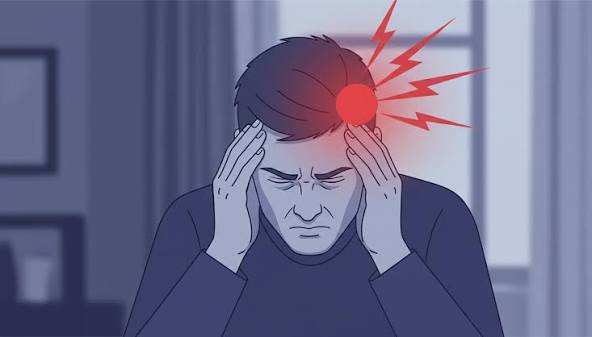
    A storm front rolls in, the pressure drops, and a migraine starts brewing. Weather changes and migraines: what happens in your brain is that a sensitive nervous system can tip into attack mode when pressure, heat, humidity, glare, or temperature shifts stack up. Quick answer: in one recent U.S. estimate, about 1 in 6 adults reported migraine or severe headache, and weather is a common trigger in a subset of them. Weather is not “causing” migraine from scratch; it is usually the last push on a brain that is already primed.

    What Weather Is Actually Doing to a Migraine-Prone Brain

    When the forecast keeps lining up with your pain, take it seriously. A clinician can help if the pattern is frequent or severe. Migraine brains tend to react to change, not just pain itself. The trouble starts when the brain’s sensory network becomes overly responsive. Light, sound, smell, motion, and internal body signals can all feel too loud. Weather shifts feed that same overloaded system.

    Here is the short version: your trigeminal nerve system, blood vessel signaling, and brainstem pain pathways are all involved in migraine. When a trigger piles on, the brain can release inflammatory signals such as CGRP, and the attack can unfold. The exact chain is still being studied, but the pattern is strong enough for treatment planning, and a headache specialist can help interpret your pattern. The brain is not simply “stressed,” it is processing sensory change badly. That’s the ugly little trick.

    Another wrinkle: when the weather change is abrupt, the body may also have to adapt to pressure, temperature, and hydration shifts at once. Migraine often hates compound triggers. A storm front may bring pressure change, less sunlight, lower sleep quality, and skipped meals if your routine gets knocked around. Any one of those may be manageable. Together, they can tip you over.

    For a trustworthy general overview, I’d start with the National Institute of Neurological Disorders and Stroke and the American Migraine Foundation. Both explain migraine as a brain disorder, not just a headache.
    Source examples:
    – NINDS Migraine page: https://www.ninds.nih.gov/health-information/disorders/migraine
    – American Migraine Foundation weather and migraine resources: https://americanmigrainefoundation.org/

    Quick check: When your attacks tend to arrive around storms, heat waves, or big temperature swings, this section is probably about your brain’s sensitivity to change, not just the weather itself.

    The 3 Weather Conditions That Matter Most

    Weather Changes and Migraines: What Happens in Your Brain

    Weather is not one neat category. Your headache diary usually proves that fast. Different conditions affect people in different ways, and the best response depends on which pattern you have. A simple diary for 2 to 4 weeks can show the pattern more clearly than memory alone.

    1) Barometric pressure changes

    Rain on the radar and a headache before it hits? Barometric pressure is a strong suspect. Some people feel this as head pressure, ear fullness, or a vague “off” feeling before pain starts. I would not assume the pressure itself is the only problem; it may be the signal that the whole environment is shifting, and your nervous system reacts before your conscious mind catches up.

    2) Heat, humidity, and dehydration

    Hot weather and heavy humidity often point to fluid loss, sleep disruption, and body strain rather than pressure alone. Heat can also increase blood flow changes and make light feel harsher. If you are sweating, skipping water, or eating less, your attack threshold drops. Simple enough. Not easy, though.

    3) Bright light and glare

    Sunny days can be rough, especially after clouds break. Light may be the main trigger. Migraine brains often process light differently. Snow glare, water reflection, and even the sharp brightness after a storm can matter. This is why sunglasses help some people, but not all sunglasses are equal. Wraparound polarized lenses usually block more glare than standard dark lenses.

    Situation Best Path Why Other Options Fail
    Migraine starts before rain or thunderstorms Track barometric pressure alongside attacks; prepare early with your usual migraine plan and ask a clinician if prevention is needed Waiting until pain starts often means you miss the window for prevention
    Migraine rises during hot, humid days Prioritize hydration, regular meals, cooling, and reduced exertion “Toughing it out” can worsen dehydration and make attacks harder to stop
    Migraine hits in bright sun or after weather clears Use polarized wraparound sunglasses and reduce glare exposure Dark lenses alone may not block reflected glare well enough
    Weather triggers are mixed and unpredictable Track weather, sleep, food, and stress together Looking at weather alone can hide the real trigger combination

    Quick check: When one weather pattern repeats more than the others, treat that as your main trigger until proven otherwise.

    If You Get Migraines Before Storms, Here’s What to Do

    If the attack often starts a few hours to a day before a front moves in, stop treating the weather as a surprise. Your goal is to move earlier than the pain, and a clinician can help you decide whether your current plan is early enough.

    1. Track the timing. Use a migraine app or a simple notes app to record when pain starts and what the weather did that day. I would keep it plain: pressure change, heat, humidity, glare, sleep, food, hydration.
    2. Watch for your early warning signs. Neck stiffness, yawning, light sensitivity, mood shift, and brain fog can be your earliest clues. Those signs matter more than the calendar forecast.
    3. Use your doctor-approved acute medicine early. If you have a triptan, gepant, or NSAID plan, the attack is usually easier to stop early than late. If you do not have a plan, that is the first thing to discuss with a clinician.
    4. Protect your routine. Eat on time, drink water, and avoid long gaps between meals. Weather-triggered migraine often gets worse when routine slips.
    5. Reduce sensory load. Lower screen brightness, wear sunglasses outside, and cut back on strong smells or loud settings during the vulnerable window.
    6. Review prevention when the pattern is frequent. If this happens month after month, ask a neurologist or headache specialist whether preventive treatment makes sense for you.

    If your attacks are predictable, you can sometimes use that predictability to your advantage. Some people do better with a rescue medication plan; others need preventive treatment because the weather window is too wide. The wrong move is waiting until you are already deep into the attack and then wondering why the medicine feels slow.

    This is also where a real headache diary helps. The American Migraine Foundation and the Migraine Trust both recommend tracking attacks and triggers because memory is bad at pattern recognition when pain is involved.

    Quick check: When you can say, “My migraine often starts before the rain does,” this is the path to follow.

    If Heat or Humidity Is Your Problem, the Answer Changes

    Weather Changes and Migraines: What Happens in Your Brain

    Weather-triggered migraine on hot days calls for a different approach. I would focus less on pressure and more on body strain. Heat and humidity can dry you out, disrupt sleep, and make ordinary activity feel harder. That combination lowers your migraine threshold.

    The real question is not “How do I beat the weather?” It is “How do I reduce the body stress the weather creates?”

    For people prone to heat-triggered attacks, I would do the following:

    1. Start hydration early in the day. Do not wait until you feel thirsty.
    2. Keep meals steady. Heat makes skipped meals more likely, and skipped meals are a common migraine problem.
    3. Use cooling aggressively. Air conditioning, fans, cold packs, cool showers, and shade are not luxuries if heat is a trigger.
    4. Limit afternoon exertion. If the hottest part of the day is your danger zone, move errands and exercise earlier or later.
    5. Choose clothing and gear that reduce heat load. Light fabrics, hats, and breathable shoes help more than people expect.
    6. Talk to a clinician if this is frequent. Recurrent heat-triggered migraine may justify preventive treatment, especially if it keeps you from functioning during warm months.

    A generic article will tell you to “stay hydrated,” which is true but incomplete. If you have migraine, hydration is only one part of the answer. Salt balance, food timing, and cooling matter too. If you are vomiting during an attack, or if heat is making you lightheaded, you may need medical advice rather than more self-help.

    One honest limitation: when your “heat headache” comes with confusion, fainting, high fever, or severe weakness, that is not a migraine question anymore. That needs urgent evaluation.

    Quick check: When your worst attacks happen on hot, humid days and improve when you stay cool, this is the right plan.

    When the Standard Advice Is Wrong

    If you have already tried the usual advice and it did nothing, the problem may be that the advice did not fit your situation. Weather-related migraine has some awkward edge cases that generic articles miss.

    Four situations where the normal advice breaks down

    • Situation: Your attack happens after the weather improves, not during the storm.
      What changes: The trigger may be the shift itself, not the rain or heat.
      Another way to handle it: Track the 24-hour window before and after the weather swing. Plan around transitions, not just the worst weather.

    • Situation: You have daily headache, not just occasional migraine.
      What changes: Weather may be one factor in a chronic pattern, but not the whole story.
      Another way to handle it: Ask about medication-overuse headache, chronic migraine, sleep apnea, and other causes. Weather-focused self-management alone is too small.

    • Situation: Your “weather migraine” only happens with allergies or sinus symptoms.
      What changes: Allergies, congestion, and facial pain can mimic or amplify migraine.
      Another way to handle it: Treat the allergy component with a clinician’s help, but do not assume sinus pain explains everything. Migraine and allergy can coexist.

    • Situation: Your attacks are tied to travel across time zones, altitude, or airplane pressure changes.
      What changes: Pressure, sleep loss, dehydration, and schedule disruption stack together.
      Another way to handle it: Use a travel plan: hydrate, protect sleep, keep medicines in your carry-on, and avoid skipping meals.

    • Situation: Weather seems to trigger only one side of your face or one eye.
      What changes: That can still be migraine, but eye and nerve disorders need to be ruled out if the pattern is new.
      Another way to handle it: Get checked if the pattern is new, severe, or unlike your usual migraine.

    Generic advice often assumes every weather trigger is simple and obvious. It usually is not. Some attacks are really about transition, some are about stacked triggers, and some are about another condition wearing migraine’s clothing. Messy, yes. But that’s real life.

    Quick check: When the pattern is messy, delayed, or mixed with other symptoms, stop trying to force one simple trigger story.

    A Practical Plan You Can Use This Month

    If you want a plan that is actually useful, keep it narrow and testable. Do not try to fix every trigger at once.

    1. Pick one weather pattern to track. Choose storms, heat, or glare first. One variable is easier to read than three.
    2. Record four things for each attack: weather, sleep, meals, and stress. Those are the usual hidden partners.
    3. Create a pre-attack routine. Keep water, medicine, sunglasses, and a dark quiet place ready before the trigger window opens.
    4. Compare attacks against non-attack days. You are looking for repeatable timing, not perfect certainty.
    5. Test one change at a time. For example: polarized sunglasses for glare, or an earlier meal for heat days. If you change everything, you learn nothing.
    6. Review the results with a clinician. When the pattern is clear and the attacks are still disruptive, prevention may be worth discussing.

    Useful tools are simple: a notes app, a paper calendar, a weather app that shows pressure and humidity, and a migraine diary. Fancy tracking is not necessary unless you truly enjoy it. Consistency beats complexity. Always.

    This plan is not for someone who gets sudden, severe, new headache symptoms, neurologic changes, or headaches that are clearly different from their usual migraine. Those need medical evaluation, not a weather journal.

    Quick check: When you want to stop guessing and start spotting patterns, this is the plan I would use.

    FAQ

    Can weather really trigger a migraine?

    Yes. Weather changes can trigger migraine in people whose brains are already sensitive to sensory or environmental shifts. The trigger is usually the change itself, not the weather as a single thing.

    Why do I get a migraine before it rains?

    A drop in barometric pressure may be part of the trigger, but it often comes with other changes too: light, humidity, routine disruption, and sometimes sleep loss. The brain may react before the storm fully arrives.

    Is migraine worse in hot weather?

    It can be. Heat can worsen dehydration, fatigue, and light sensitivity, all of which can lower the migraine threshold.

    What helps most when weather is the trigger?

    The best approach depends on your pattern. Early treatment, regular meals, hydration, cooling, and glare protection help many people. If attacks are frequent, a preventive medication conversation may be worth having.

    Should I see a doctor if weather seems to trigger every migraine?

    Yes, if the attacks are frequent, disabling, changing, or hard to control. A clinician can help you tell migraine apart from other headache causes and decide whether acute or preventive treatment fits you.

    Bottom Line

    If weather changes seem to set off your migraines, the useful question is not “Why am I so sensitive?” It is “Which weather change, in what pattern, with what other triggers?” That answer tells you what to do next.

    Storm pressure, heat, humidity, and glare can all push a migraine-prone brain toward attack. The best response is specific: track your pattern, act early, protect your routine, and talk to a clinician if the attacks keep repeating. For a broader evidence base, the American Headache Society and NINDS both describe migraine as a neurologic disorder that often needs individualized treatment.

  • Stress as a Migraine Trigger: Practical Reduction Strategies

    Last updated: August 11, 2026

    Quick Answer: Stress as a migraine trigger: practical reduction strategies work best when you smooth the spike, the drop afterward, and the everyday grind. A simple 7-day reset can help you spot the main pattern and improve migraine control by adjusting sleep, meals, caffeine, and workload instead of trying to “relax more.” Should symptoms be frequent, severe, or changing, consult a healthcare professional.

    Key Facts / Key Takeaways
    – The most useful target is often the swing between high stress and sudden recovery, not stress alone.
    – A 7-day reset can reveal whether sleep, meals, caffeine, or workload is the main trigger.
    – Keep wake time, meals, and caffeine steady across the week to reduce trigger swings.
    – When stress feels constant, lowering the load is often more effective than adding more coping tools.
    – Relaxation skills work best early, before the migraine has fully escalated.
    – If attacks are frequent, severe, or changing, consult a clinician or therapist.

    Stress can absolutely trigger migraine, but the fix is not “relax more.” And that’s the annoying part. Should stress be one of your triggers, the practical answer in stress as a migraine trigger: practical reduction strategies is to cut the spikes, the crash after the spike, and the hidden strain that keeps your nervous system on edge. I’m going to show you what to do based on the situation you’re actually in, because the right plan changes when stress is constant, episodic, work-related, or tied to panic, sleep loss, or hormonal swings.

    What Stress Is Doing to Your Migraine Pattern

    After a brutal week, a deadline, or that first day off when you finally stop pushing, migraines often show up. Usually, stress is not acting alone. The real trigger is the shift: from tension to release, from skipped meals to a big meal, from short sleep to sleeping in, from caffeine overload to none at all. The nervous system likes patterns; migraine tends to hate sudden changes.

    Sound familiar? Then the goal is not to erase stress, which is unrealistic. Reduce the swings instead. Keep sleep, food, hydration, caffeine, and activity more even across the week. Also notice whether your “stress” trigger is really a bundle of things: jaw clenching, shallow breathing, screen time, missed meals, and saying yes too often.

    Here’s the part many generic articles miss: stress management can backfire if you turn it into another performance task. Should meditation make you feel like you’re failing, or tracking every symptom make you more tense, then those tools are not the first move. Start with lower-friction changes. No medal for suffering through it.

    Situation Best Path Why Other Options Fail
    Migraines hit after deadlines or conflict Build a buffer routine before and after high-stress days Waiting until the attack starts is too late
    Migraines hit on weekends or vacations Keep sleep, caffeine, and meals closer to weekday patterns Big schedule shifts can trigger attacks
    Stress feels constant, not episodic Use small daily load reduction, not “big resets” One weekend of rest rarely fixes chronic strain
    Stress leads to jaw clenching or neck pain Treat the body tension directly Talking yourself into calm may not relax muscles

    Quick check: Do your migraines show up during the shift between “pushed hard” and “finally stopped”? If yes, you likely need steadier routines more than deeper relaxation.

    If Your Stress Is Mostly Work Pressure, Here’s What to Do

    Stress as a Migraine Trigger: Practical Reduction Strategies

    When work is the main culprit, I’d focus on stopping the migraine chain reaction before it starts. Work stress often brings skipped meals, screen strain, dehydration, and the habit of holding your breath or tightening your jaw for hours. When that’s your pattern, then stress reduction has to be practical and visible on the calendar.

    Start with these steps:

    1. Pick one attack pattern to interrupt. Should you usually skip lunch, then make lunch non-negotiable. Should you often keep working late, then set a hard stop or a transition ritual.
    2. Protect the basics on workdays. Eat at roughly the same times, keep water nearby, and avoid letting caffeine become a rescue plan for every dip.
    3. Insert micro-breaks. Stand up, unclench your jaw, drop your shoulders, and look away from the screen on a schedule. Short breaks are more realistic than one long “self-care” session.
    4. Reduce decision drag. Lay out clothes, prep breakfast, and make the first task of the day obvious. Fewer small decisions can mean less background stress.
    5. Use a shutdown ritual. Write tomorrow’s first three tasks, close the laptop, and switch locations if you can. The point is to tell your brain the work threat is over.
    6. Track one week of triggers. Not everything. Just note sleep, meals, caffeine, stress spike, and migraine timing. You’re looking for repeatable links, not a perfect diary.

    For a concrete tool, a simple timer can help more than an app. Honestly, I’d choose a Pomodoro-style timer, a phone alarm for meals, and a basic note app over a complicated tracker should the complexity itself stress you out. If your job allows it, an ergonomic keyboard, a monitor at eye level, and a chair that lets your feet rest flat can also reduce the physical load that rides along with mental strain.

    The trade-off is plain: this takes discipline up front. It doesn’t feel dramatic. But migraine prevention rarely does.

    Quick check: Should your worst attacks come after workdays that run long and irregular, this is your path.

    If Stress Is Constant, Not Just a Bad Week, the Plan Changes

    Feeling “stressed all the time”? Then I would not start with a long list of calming techniques. Chronic stress usually means your baseline is already too high. So the useful question is: what can I remove, delay, or make easier?

    Lower the load first. That’s the move.

    1. Cut one recurring overload. Should one meeting, chore, commute, or obligation drain you every week, see if it can be shortened, delegated, or moved.
    2. Stop the all-or-nothing cleanup. Ten minutes of tidying, food prep, or email triage is often better than waiting for a free hour that never comes.
    3. Build recovery into ordinary life. Think brief walks, quiet time in a dark room, or low-stimulation breaks between tasks. Recovery does not have to look like a retreat, and when you are unsure what is appropriate for you, consult a healthcare professional.
    4. Stabilize your anchors. Sleep and meals matter more when stress is chronic. Keep wake time as steady as you can, and avoid the trap of “I’ll catch up on everything this weekend.”
    5. Use one calming skill you will actually repeat. Slow exhalation breathing, progressive muscle relaxation, or a short guided audio track. Pick one. Repetition beats variety here.
    6. Ask whether anxiety or depression is part of the picture. If stress feels relentless, a clinician or therapist can help you separate migraine triggers from a treatable mental health load.

    This is where the standard advice can miss the point. “Just meditate” is weak advice if your real issue is overcommitment, sleep debt, or caregiving strain. When the stressor cannot be removed, then your target is capacity. You are trying to keep your body from living in emergency mode.

    For migraine-specific guidance on trigger patterns, the American Migraine Foundation and the National Institute of Neurological Disorders and Stroke both offer patient-friendly overviews:
    – American Migraine Foundation: https://americanmigrainefoundation.org/
    – National Institute of Neurological Disorders and Stroke: https://www.ninds.nih.gov/health-information/disorders/migraine

    Quick check: Should your stress never really drop, and your migraines feel like part of a wider overload problem, this is the path to use.

    When Relaxation Helps, and When It Doesn’t

    Stress as a Migraine Trigger: Practical Reduction Strategies

    When you can feel stress rising in your body before the migraine starts, relaxation skills can help. But should you wait until your head is pounding, you may be too late for them to do much. That’s the mistake I see most often: treating relaxation as rescue instead of prevention, and when you are unsure how it fits your pattern, consult a clinician.

    Use relaxation when your warning signs are early: tight neck, shallow breathing, jaw tension, irritability, sensitivity to noise, or that wired-but-tired feeling. Catch it there, and breathing work or muscle relaxation can blunt the escalation. If the migraine is already underway, those tools may still make you more comfortable, but they are not always enough on their own, and if attacks are frequent or severe, consult a healthcare professional.

    A practical version looks like this:

    1. Notice your earliest sign. Pick one or two body clues, not ten.
    2. Change position. Sit down, lower your shoulders, and stop multitasking for two minutes.
    3. Slow the exhale. Breathe out longer than you breathe in. Keep it gentle.
    4. Relax the jaw, hands, and forehead. Those areas often hold more tension than people realize.
    5. Reduce input. Dim the lights, lower noise, and pause screen time if you can.
    6. Decide early whether you need migraine treatment. If your doctor has given you an acute medicine plan, use it at the right time rather than trying to “power through.”

    A fair limitation: relaxation skills are not a cure for migraine. If your attacks are frequent, severe, or changing, they belong in a broader treatment plan with a clinician. Stress control can lower the odds; it cannot replace medical care when medicine is needed.

    If you want a structured method, progressive muscle relaxation and mindfulness-based stress reduction are both well-known approaches. I’d pick whichever one feels least annoying, because consistency matters more than the method name. For general stress-management guidance, the National Center for Complementary and Integrative Health summarizes breathing and relaxation options clearly: https://www.nccih.nih.gov/health/stress

    Quick check: If you can feel the warning signs before the headache peaks, relaxation is worth using early. If you only remember stress once the migraine has fully arrived, you need a prevention plan first.

    The Edge Cases Where Normal Advice Breaks Down

    When your situation is unusual, the usual “manage stress better” advice can miss the mark. Here are the cases where I would change the plan.

    Situation What Changes What to Do Instead
    You get migraines on vacation or after a deadline ends The trigger may be letdown, not active stress Keep sleep, caffeine, hydration, and meals steady during transitions
    Your stress is tied to panic or severe anxiety Relaxation may feel impossible at first Start with short, tolerable techniques and get professional support if needed
    You clench your jaw or wake with neck pain Muscle tension is part of the trigger Focus on jaw awareness, posture breaks, and a dental or medical check if needed
    Your migraines cluster around your menstrual cycle Hormones may be the main driver, with stress adding fuel Track cycle timing and discuss targeted migraine care with a clinician
    You work shifts or have an irregular schedule Routine-based advice is hard to follow Prioritize consistent sleep windows, meals, and caffeine timing within your real schedule
    You already use a lot of self-help tools and still worsen More tools may be adding pressure Simplify. Remove one obligation, one app, or one “should” at a time

    If stress relief itself starts to feel like another burden, that is a real sign to scale back. A plan can be too ambitious for the life around it. In that case, I would choose fewer habits, not more.

    Quick check: Should your migraines not fit the usual workday-stress pattern, one of these edge cases may be the real story.

    A Practical 7-Day Reset You Can Actually Follow

    Should you want a starting point, then I would not begin with a major lifestyle overhaul. I would run a seven-day reset that tests the highest-yield changes first. This is for people who want action, not theory.

    1. Keep wake time within the same range each day. This helps reduce sleep-related trigger swings.
    2. Eat at predictable times. Do not let hunger become part of the stress loop.
    3. Choose one caffeine pattern and stick to it. Sudden increases and sudden drop-offs can both matter.
    4. Schedule two short decompression breaks. Ten minutes of quiet, stretching, or a walk is enough to test the effect.
    5. Use one body cue as your warning signal. Jaw tightness, shoulder tension, or eye strain.
    6. Log only the essentials. Note stress spike, food timing, sleep, and migraine onset. Nothing else.
    7. Review the pattern at the end of the week. Look for the one change that seems to matter most, then keep that one.

    This is not meant to replace medical treatment. If you have frequent migraine, new symptoms, neurological changes, or attacks that are getting worse, talk with a healthcare professional. Stress may be a trigger, but it should not be used as a blanket explanation that delays proper care. According to the American Migraine Foundation, migraine affects about 1 in 7 people worldwide, and the World Health Organization lists migraine among the leading causes of disability in people under 50.

    The real win here is clarity. Once you know whether your stress trigger is active overload, letdown, chronic tension, or a mix of body habits, your plan gets much simpler.

    Quick check: Should you want a low-cost experiment instead of a full lifestyle reset, this is the right place to start.

    FAQ

    Can stress really cause a migraine, or does it just make one more likely?

    Stress can do both. For many people, it raises the chance of a migraine and also lowers the threshold so other triggers hit harder.

    Is meditation the best way to reduce stress migraines?

    Not necessarily. If meditation helps you, use it. If it feels like another chore, try sleep regularity, meal timing, breathing with long exhales, or reducing workload first.

    Why do I get migraines after stressful events end?

    That pattern is common. The drop from high alert to rest can be a trigger in itself, especially if sleep, food, or caffeine also shift.

    Should I keep a trigger diary?

    Yes, if it stays simple. Track the basics: sleep, meals, caffeine, stress spike, and migraine timing. If tracking becomes stressful, simplify it.

    When should I see a doctor?

    If your migraines are frequent, severe, changing, or paired with new neurological symptoms, get medical advice. If stress and anxiety are running your life, mental health support can also help.

  • Light Sensitivity and Migraines: How I’d Reduce Exposure at Home and Work

    Last updated: August 11, 2026

    Key Takeaways

    • – A dim room can still hurt if the light source flickers.
    • Migraine and light can be a nasty pairing.
    • What Actually Triggers the Light Problem Bright light making your head pound?
    • And if screens are the main issue, distance, brightness, and contrast matter more than room lighting alone.

    Quick Answer: For light sensitivity migraines: how reduce exposure at home work starts with the source, not the darkness. Usually, 2 to 3 changes—window shades, glare control, and a better lamp or monitor setup—beat simply lowering every light.

    Key Facts
    – Light sensitivity can come with migraine, but it can also show up with other eye or neurologic problems.
    – The main triggers are usually brightness, glare, or flicker.
    – A dim room can still hurt if the light source flickers.
    – Screen fixes work best when you address brightness, reflections, and distance together.
    – Indoors sunglasses are not usually the first fix; source changes are better.
    – If symptoms are frequent, severe, or changing, consult a clinician.

    Migraine and light can be a nasty pairing. Not subtle.

    The aim is not to live in the dark. It is to stop your setup from jabbing your nervous system all day. For light sensitivity migraines: how reduce exposure at home work, I’d change the light you can control first, then bring in shade, screen, and workplace fixes that cut glare without turning your home or office into a cave.

    What Actually Triggers the Light Problem

    Bright light making your head pound? Then the first question is not “How do I block every ray?” It is “Which kind of light is the problem?” That answer changes the fix.

    Sunlight is one thing. Overhead fixtures are another. Screens are their own headache. If you react mainly to sunlight, then window control matters most: blinds, blackout curtains, exterior shades, tinted film, and seated positions away from direct sun. If fluorescent or LED lighting feels worse, the culprit may be flicker, glare, or a color temperature that feels harsh. And if screens are the main issue, distance, brightness, and contrast matter more than room lighting alone.

    I’d sort light sensitivity into three buckets:

    1. Intensity — the room is simply too bright.
    2. Glare — light bounces off shiny surfaces, glass, white walls, or screens.
    3. Flicker or visual stress — some lights, especially certain LEDs and fluorescents, can feel miserable even when they do not look “bright.”

    That third bucket is where generic advice falls flat. A dim room can still hurt if the light source flickers or the screen burns your eyes. A sunny room can feel okay if the light is diffuse and you are not staring toward the window. So the fix is not always “lower the lights.” Sometimes it is “change the direction of the light,” “change the surface,” or “change the type of bulb.” Simple. Not easy.

    If your migraines are frequent, severe, or changing pattern, talk with a clinician. Light sensitivity can come with migraine, but it can also show up with other eye or neurologic problems.

    Quick check: Is your worst trigger sunlight, overhead lighting, or screens? That tells you where to start.

    The 3 Conditions That Change Everything

    Light Sensitivity and Migraines: How to Reduce Exposure at Home and Work

    Before buying anything, I would sort your space by these three conditions.

    Situation Best Path Why Other Options Fail
    Sunlight through windows triggers symptoms Block, diffuse, or redirect daylight with shades, curtains, film, or seating changes Darkening the whole room does not help if the glare still hits your eyes at certain hours
    Overhead lights feel harsh or “busy” Replace the source, not just the bulbs: use indirect lamps, diffusers, or different fixture types Sunglasses indoors and constant squinting make work harder and can strain you more
    Screens are the main trigger Reduce screen brightness, enlarge text, use dark mode only if it actually helps, and cut reflections Blue-light filters alone are usually not enough if the screen is still too bright or reflective

    If you live or work under strong light all day, I’d aim for even lighting, not merely less light. That usually feels easier on migraine-prone eyes than a room with one blinding source and several dark corners. Honestly, the lopsided stuff is what wears people down.

    Here’s a practical path if your home lighting is the problem:

    1. Identify the worst light source in each room: window, ceiling fixture, lamp, or screen.
    2. Remove direct glare first. Close blinds partway, angle monitors away from windows, and move shiny objects off desks.
    3. Switch from exposed bulbs to covered fixtures or lamps with shades that diffuse light.
    4. Replace harsh overhead light with several smaller light sources placed lower in the room.
    5. Test a warmer color temperature if cool-white light feels aggressive, but do not assume warmer always means better.
    6. Keep one “safe spot” where you can recover: a room or chair with controlled light, low glare, and no screen reflection.

    The trade-off is obvious: lower light can make reading, cooking, and cleaning harder. I would rather use targeted lighting than dim the entire home to the point that daily tasks become unsafe.

    Quick check: Does your light sensitivity feel worse in one room, at one time of day, or under one fixture? That points to the real target.

    How I’d Reduce Light Exposure at Home Without Making the House Miserable

    At home, start with the rooms where you spend the longest stretch: bedroom, kitchen, living room, and the place you sit when symptoms begin. I would make the space easier on your eyes before I would make it darker.

    For windows, layered control works better than one heavy fix. Blackout curtains can help at night and during a flare, but they may be too much during the day if you need natural light to feel oriented. A better setup is often: blinds or shades for daytime control, curtains for backup, and seating that does not face the brightest window. If glare is the problem, frosted or privacy window film can soften harsh sunlight without turning the room into a bunker.

    Bulbs matter too, but the fixture matters just as much. Exposed bulbs and shiny glass shades can create sharp points of light. Diffusers, opaque shades, and indirect light are usually kinder. If a room uses fluorescent lighting, and you can replace it, I would seriously consider that. Many light-sensitive people do better when the source is less visually aggressive, even if the room looks slightly less “bright” on paper.

    If you need a step-by-step home reset, I’d do this:

    1. Pick one room where migraine relief matters most, usually the bedroom or main living space.
    2. Stand in that room at the times you feel worst and identify where light enters, reflects, or hits your eyes.
    3. Cover or soften the brightest window with shades, curtains, or film before changing anything else.
    4. Swap exposed bulbs for diffused fixtures or lamps with opaque shades.
    5. Reduce reflective surfaces near your sitting area: glass tables, glossy frames, mirrors opposite windows.
    6. Create a “flare kit” with a sleep mask, water, medication you’ve been prescribed, and a low-light place to rest.

    One honest limitation: total darkness can backfire if it keeps you isolated or makes your sleep schedule strange. I would use darkness as a temporary tool, not a permanent lifestyle.

    Quick check: Can you point to one room where a few changes would give you most of the benefit? If yes, start there.

    What I’d Do at Work When the Office Is the Problem

    Light Sensitivity and Migraines: How to Reduce Exposure at Home and Work

    Work lighting? I would not lead with a vague request for “better lighting.” I would ask for specific changes tied to your actual trigger.

    If overhead glare is the problem, sit away from the brightest fixture, put your monitor perpendicular to windows, and use a matte screen if possible. If screen work is the problem, lower brightness until the screen matches the room, enlarge text, and increase contrast only as much as needed. If fluorescent lights are harsh, ask whether the fixture can be turned off in your area or whether a desk lamp can replace part of the overhead load.

    A sensible workplace sequence looks like this:

    1. Track where symptoms start: near a window, after long screen use, or under specific ceiling lights.
    2. Ask for desk placement that avoids direct glare and reflection.
    3. Reduce your screen’s brightness and keep the top of the monitor just below eye level.
    4. Use a matte privacy filter or anti-glare screen if reflections are the issue.
    5. Bring in one small task lamp if your office permits it, and aim it at the work surface, not your eyes.
    6. Build short light breaks into your day: step into a calmer room, lower your visual load, and rest your eyes before symptoms peak.

    Shared office? One fix rarely fits everyone. One person may need a brighter desk and another may need less overhead light. The right accommodation is the one that cuts your triggers without forcing you to give up visibility or comfort.

    If your job is safety-sensitive, be careful with dark glasses or very dim work areas. That can create a new risk. In those cases, I would focus on glare control and source changes first, not heavy light blocking.

    For authoritative guidance on migraine care and light sensitivity, the American Migraine Foundation and the National Institute of Neurological Disorders and Stroke both have patient-friendly information worth reading:
    – American Migraine Foundation: https://americanmigrainefoundation.org/
    – National Institute of Neurological Disorders and Stroke: https://www.ninds.nih.gov/

    Quick check: Is the office problem mainly a window, a screen, or the ceiling lights? Ask for the change that matches that source.

    When the Standard Advice Is Wrong

    “Just wear sunglasses indoors” gets handed out too casually. I’d treat that as a last resort, not the default. Dark glasses all day can make visual adaptation harder for some people and may not solve flicker or screen stress anyway. If the advice is coming from someone who is not treating you, check with a clinician or eye professional before making it your main strategy; the American Migraine Foundation and NINDS both emphasize that migraine triggers and treatment should be individualized.

    Warmest bulbs possible? Slow down. Warmer is often gentler for some people, but not always. Some people find very warm light dull, murky, or hard to work under. A better rule is: pick a bulb that feels even, non-glary, and easy to live with, then test it in the room you actually use.

    Very dark rooms can look like a fix while quietly making the room harder to use. Ask whether you are reducing migraine triggers or just making the space less functional. A workspace that is too dim can create squinting, neck tension, and poor posture, which can feed the headache cycle.

    Blue-light filter glasses? Maybe. They help some people and do little for others. I would not treat them as the main solution unless you have already handled brightness, glare, and breaks; if symptoms stay severe it is sensible to consult a clinician or eye professional. Add-on, not foundation.

    Light-sensitive only during an attack? That is different from being light-sensitive all the time. In-attack sensitivity usually calls for a recovery plan: retreat to a dark, quiet room, lower sensory input, and follow the treatment plan you and your clinician have set. Constant sensitivity may need a broader look at your environment, sleep, stress, and medication pattern.

    Quick check: Are you collecting fixes that sound good but leave the real trigger untouched? If so, stop stacking extras and target the source.

    Edge Cases Where the Normal Advice Breaks Down

    Weird case? The usual advice gets clumsy fast. Here are the situations I’d handle differently.

    • Situation: You work on dual monitors.
      What changes: Light reflections multiply, and eye movement becomes part of the trigger.
      What to do instead: Angle both monitors to avoid windows, match brightness levels, and reduce the number of open bright windows on screen.

    • Situation: You get migraines only in winter or only in summer.
      What changes: Seasonal sun angle, shorter days, and indoor lighting patterns become the real issue.
      What to do instead: Recheck window glare, not just the bulb choice. Move your seat or desk with the season.

    • Situation: You have migraine plus suspected eye strain.
      What changes: The light may not be the only culprit; prescription changes or dry eyes can amplify discomfort.
      What to do instead: See an eye professional to rule out vision or eye-surface problems before you overhaul the whole room.

    • Situation: You are a driver, nurse, teacher, or another person who cannot work in a dark room.
      What changes: Safety and visibility matter as much as comfort.
      What to do instead: Prioritize glare control, anti-reflective surfaces, and source changes over heavy dimming.

    • Situation: You are sensitive to flicker more than brightness.
      What changes: A room can look fine and still feel awful.
      What to do instead: Swap out suspect bulbs, try different fixtures, and avoid relying on sunglasses alone.

    • Situation: Your migraines come with neurological symptoms that are new or unusual.
      What changes: Light sensitivity may not be the full story.
      What to do instead: Get medical evaluation promptly rather than trying to manage it only with environmental fixes.

    Quick check: Does your trigger pattern change by season, job task, or symptom type? If yes, the “simple” solution is probably incomplete.

    A Practical Plan I’d Use This Week

    Short plan? I would not try to fix the whole house and office in one day. I’d do one pass, then adjust based on what actually helps.

    1. Pick the one room or workstation that causes the most trouble.
    2. Identify the main light source: window, overhead fixture, lamp, or monitor.
    3. Make one source-specific change first: shade the window, change the fixture, or lower screen brightness.
    4. Add one glare fix: move shiny objects, change desk angle, or use a matte screen.
    5. Test the room for a few days before buying more gear.
    6. Keep a simple note of what improved symptoms and what made no difference.

    If the first change helps, build from there. Should it not, stop repeating it in different forms. That usually means you aimed at the wrong trigger.

    My rule of thumb is simple: reduce direct glare first, reduce harsh source light second, and only then consider darker glasses or bigger purchases. That order saves money and avoids turning your home into a place that is physically tolerable but unpleasant to use.

    Quick check: Are you ready to change the source, not just the brightness? That is usually where the relief starts.

    FAQ

    Do blue-light glasses help migraines?
    Sometimes, but not reliably. If brightness, glare, or flicker is the main trigger, glasses alone usually will not solve it.

    **Should I use

  • Lifestyle and Environmental Trigger Management — The Complete Guide

    Last updated: August 11, 2026

    Key Takeaways

    • – A focused change window of 2–4 weeks is usually enough to see whether a step helps.
    • Step 5: Change one thing for 2–4 weeks.
    • This is where generic lifestyle advice often falls apart.
    • When symptoms are severe, new, or dangerous, get medical care first.

    Quick Answer: For lifestyle environmental trigger management — complete guide, start with the 1–2 exposures most clearly linked to symptoms, then test one change for 2–4 weeks. When symptoms are severe, new, or dangerous, get medical care first. Should the pattern be unclear, a clinician can help rule out conditions that are not just trigger problems.

    Same pattern every week? Same room, same food, same routine? Then you need a trigger plan, not another round of fuzzy advice. In this lifestyle environmental trigger management — complete guide, I’m laying out how I’d sort lifestyle and environmental triggers into something usable: what to change first, what to leave alone, and where standard advice falls flat.

    Key Facts
    – Most useful trigger plans start with 1 or 2 likely exposures, not 10.
    – A focused change window of 2–4 weeks is usually enough to see whether a step helps.
    – Immediate reactions within minutes to hours point more toward exposure control; gradual flares over days point more toward threshold load.
    – Indoor control often starts with ventilation, dust reduction, humidity control, and fragrance-free products.
    – Severe symptoms such as chest tightness, swelling, throat tightness, fainting, or wheeze need medical evaluation before DIY testing.

    What Actually Counts as a Trigger Here

    When everything seems to set you off, the first task is not to avoid life. It is to spot the pattern. A trigger is any factor that reliably makes symptoms worse, whether the symptom is migraine, eczema, asthma, allergic rhinitis, IBS, reflux, hives, panic symptoms, or fatigue that seems to follow certain routines.

    One clear exposure is enough. Cat dander, smoke, a specific food, a certain detergent, a sleepless night, a hard workout, alcohol, or a stressful week — any of those can be the obvious culprit if the symptom shows up after it. Random day-to-day swings are different; chasing every possible trigger in that case will wear you down and usually miss the real cause.

    The better question is not “What am I allergic to?” or “What is wrong with my lifestyle?” It is: what reliably lowers my threshold? Some triggers hit like a match. Others act more like dry brush. Sleep debt, dehydration, heat, air pollution, hormonal shifts, alcohol, and stress often do not cause the problem by themselves, but they make a reaction easier to start and harder to settle.

    So the plan usually needs layers. I would look at three buckets:

    1. Direct triggers — the thing itself causes a flare.
    2. Threshold lowerers — the thing does not cause the flare, but makes one more likely.
    3. Misleading triggers — things that appear guilty only because they were present during the flare.

    Take away only the obvious exposure and you may still flare. Change only habits and you may miss a real allergen or irritant. The cleaner move is to map both the environment and your routine, then test changes one at a time. Bit by bit. That’s the part people skip.

    For asthma, severe allergy, chest tightness, swelling, fainting, or symptoms that could be dangerous, get medical advice promptly. For persistent symptoms that could involve an immune, digestive, or neurologic condition, a clinician can help you rule out something that is not just a trigger problem.

    Quick check: if you can name the rooms, routines, or exposures that most often come before your symptoms, this guide is for you; when the problem is suddenly severe, new, or dangerous, stop and seek medical care first.

    The 3 Conditions That Change Everything

    Lifestyle and Environmental Trigger Management — The Complete Guide

    Remember this one thing: trigger management changes based on what your symptom pattern looks like. Someone with seasonal allergic rhinitis needs a very different plan from someone with migraine, and both differ from someone with eczema or IBS.

    1) The trigger is immediate and repeatable, go straight to exposure control

    Within minutes or a few hours of a specific exposure, the first move is usually to reduce or remove that exposure. Smoke, fragrance, dust, pet dander, mold, certain foods, alcohol, and cold air are all common examples.

    “Just notice your triggers” sounds reasonable. In practice, it can trap people in observation mode. When the same exposure keeps causing the same flare, you do not need endless journaling before acting.

    What I would do:

    1. Write down the exact exposure, timing, and symptom response.
    2. Remove the most obvious source first, not three sources at once.
    3. Reduce repeat exposure for two to four weeks if possible.
    4. Change one variable only, so you know what helped.
    5. Reassess whether the symptom frequency or intensity drops.

    When indoor air is the likely culprit, practical tools matter: a HEPA air purifier, better ventilation, dust-mite covers, fragrance-free cleaning products, and humidity control. Should food be the issue, keep the elimination diet targeted and cautious; cutting half your meals is not a strategy, it’s a mess.

    2) The trigger is cumulative, you need a threshold plan

    When a flare follows several small hits instead of one obvious exposure, the issue is usually cumulative load. Sleep loss, stress, dehydration, skipped meals, overtraining, long screen time, and irregular meals can all pile up until the body tips over.

    Then “avoid the trigger” becomes too blunt. The real goal is to keep total load below the line where symptoms start.

    What I would do:

    1. Identify the two or three biggest threshold lowerers.
    2. Protect one anchor habit first: sleep, meal timing, or hydration.
    3. Reduce obvious strain on bad weeks instead of waiting for a flare.
    4. Use reminders and routines, not willpower alone.
    5. Review patterns weekly, not only when you are already sick.

    3) The trigger is unclear, stop treating everything like a suspect

    When nothing looks consistent, several factors are probably overlapping. A generic trigger list can backfire fast. People begin cutting foods, avoiding exercise, scrubbing the house, and living like normal life is the enemy.

    That is where a symptom diary helps — but only if it stays specific. Track timing, location, exposure, and severity. Do not log every detail of your day just to make noise. When the pattern remains murky, consult a clinician or allergist so you do not keep guessing at the wrong cause; patient-facing guidance from the EPA and AAAAI is also a sensible starting point for indoor exposures.

    A quick decision table

    Situation Best Path Why Other Options Fail
    Symptoms happen right after one exposure Remove or reduce that exposure first Broad lifestyle changes waste time and can miss the real cause
    Symptoms build over a few days Lower total load, especially sleep, stress, and hydration Single-trigger hunting misses the cumulative pattern
    Nothing seems consistent Track patterns for 2–4 weeks, then test one change at a time Random elimination creates confusion and anxiety
    Symptoms are severe or dangerous Get medical evaluation before experimenting Trigger management should not replace urgent care

    Quick check: immediate flares point to exposure; buildup points to threshold; danger points to medical evaluation first.

    If You’re Dealing With Indoor Triggers, Here’s What to Change First

    When symptoms get worse at home, in the bedroom, at work, or in a specific car, start indoors. Small fixes often pay off fastest there. The common mistake is trying to “clean harder” without knowing which irritant matters. I’d usually go with the simplest controls that have the best chance of changing exposure.

    Indoor triggers often fall into a few groups: dust mites, pet dander, mold, smoke, fragrance, cleaning chemicals, poor ventilation, and dry or overly humid air. Allergy, asthma, eczema, and frequent headaches can all be affected by the air and surfaces around you.

    If dust is the issue, then:
    – Use a vacuum with a HEPA filter if possible.
    – Wash bedding regularly in hot water if the fabric allows.
    – Use dust-mite covers for pillows and mattresses.
    – Cut clutter near the bed if it collects dust.
    – Keep pets out of the bedroom if pet allergen is a concern.

    If mold is the issue, then:
    – Fix leaks and moisture first.
    – Use ventilation in bathrooms and kitchens.
    – Keep humidity in a moderate range rather than letting it stay damp.
    – Clean visible mold safely and address the source, not just the stain.

    If fragrance or cleaning products trigger you, then:
    – Switch to fragrance-free products.
    – Avoid aerosol sprays.
    – Read labels for masking fragrance, not just “scented.”
    – Ask people in your household to stop using strong sprays in shared air.

    If smoke is the issue, then:
    – Remove the smoke source when you can.
    – Keep windows open only if outside air is cleaner, not if it brings in more irritants.
    – Use a HEPA purifier in the room where you sleep or spend the most time.
    – Avoid pretending candles or incense are “small exposures” if you are sensitive.

    A lot of people ask whether an air purifier is enough. Sometimes it helps; sometimes it is only a partial fix. When the source is still active — mold, smoke, dander, bad ventilation — a purifier is a bandage, not a cure. If the exposure involves persistent mold, smoke, or severe symptoms, consult a clinician or environmental health professional before assuming the room is “fixed.” The same is true for dehumidifiers, fragrance-free soap, or mattress covers. Useful tools, yes. Complete solution, no.

    If you have asthma, recurrent wheeze, or significant allergy symptoms, talk with a clinician or allergist. A proper plan may include testing, medications, and advice on environmental control. The American Academy of Allergy, Asthma & Immunology and the U.S. Environmental Protection Agency both have solid patient-facing resources on indoor allergens and air quality. The EPA notes that indoor pollutant levels can be 2 to 5 times higher than outdoor levels in many homes, which is why room-level control matters.

    Useful references:
    – EPA indoor air quality guidance: https://www.epa.gov/indoor-air-quality-iaq
    – AAAAI patient information on allergies and asthma: https://www.aaaai.org/tools-for-the-public

    What I would not do: I would not try to make the entire house “sterile.” That usually leads to expensive overcorrection and frustration. I would target the room where symptoms begin, then expand only if the pattern proves the need.

    Quick check: if you feel better outside the house, worse in bed, or worse after cleaning, this is the section for you.

    If the Trigger Is Your Routine, Change the Threshold, Not Just the Symptom

    Lifestyle and Environmental Trigger Management — The Complete Guide

    When flares follow poor sleep, skipped meals, dehydration, intense workouts, long workdays, travel, or social overload, the trigger is probably not a single item. It is the way the day is built. So the fix is not only avoiding one thing. It is building a day that keeps your system steadier.

    This is where generic lifestyle advice often falls apart. People get told to “sleep more,” “reduce stress,” and “eat better,” which sounds nice and is almost useless in practice. The real question is: what is the smallest routine change that prevents the slide? When that still isn’t clear, consult a clinician so you are not mistaking a medical problem for a habit problem.

    Sleep is a good place to begin if that’s the biggest issue. Protect a fixed wake time, reduce late caffeine, and get light in the morning if possible. Should skipped meals be the trigger, regular meal timing matters more than the perfect diet. If dehydration plays a role, keep water visible and easy to reach instead of relying on memory.

    Exercise can be tricky. For some people, the answer is “less intense, more consistent,” not “stop moving.” Hard training may set symptoms off, while walking, light strength work, or shorter sessions with more recovery go better. If you have migraine, reflux, IBS, or anxiety symptoms, pushing through too hard can backfire.

    A practical routine reset:

    1. Pick one anchor: sleep, food, hydration, or movement.
    2. Define the failure point: late bedtime, long gap between meals, or a workout that leaves you wiped out.
    3. Set a simple rule you can follow on your worst day.
    4. Remove friction: prep snacks, set alarms, keep water near you, put workout gear where you will see it.
    5. Review whether the flare frequency changes after two weeks.

    There’s a trade-off here. Routine changes can feel dull, and they do not fix everything. Even so, they often lower symptom frequency enough that you can make better decisions about the remaining triggers. Honestly, that beats chasing a dramatic fix that falls apart after a month.

    If stress is part of the picture, I wouldn’t pretend a meditation app solves structural stress. But I would still make room for downshift habits that are easy to repeat: a walk after work, brief breathing practice, fewer late-night screens, or a hard stop before bed. These are not miracle cures. They are pressure valves, and should symptoms be escalating or affecting sleep, a professional can help you decide whether the plan needs more than routine changes. The CDC’s sleep guidance and similar clinician resources can help when you need a factual baseline.

    Quick check: when your symptoms show up after bad sleep, missed meals, dehydration, overwork, or travel, focus on routine threshold management before you start cutting foods or blaming the room.

    If Food Seems Like the Culprit, Be Careful With Elimination

    When food looks suspicious, people most often overreach. Food really can trigger some conditions, but random restriction can make life smaller without solving the problem. I’d be especially cautious if the symptoms are vague — bloating, fatigue, “inflammation,” brain fog — and there is no clear timing pattern.

    Hives, swelling, throat tightness, wheeze, or immediate nausea after a food? Treat that as a possible allergy or serious sensitivity and get medical advice. When the reaction is immediate or severe, seek prompt evaluation rather than testing it alone. That is not the same as deciding bread or dairy makes you “feel off.”

    For digestive symptoms that show up later, food timing, portion size, fat content, fiber load, alcohol, caffeine, and eating speed may matter as much as the food itself. If the picture looks IBS-like, a clinician or dietitian can help you decide whether a structured low-FODMAP approach makes sense. The Monash University low-FODMAP resources are a well-known evidence-based reference for that kind of plan.

    If you want to test food responsibly, then:

    1. Write down the exact symptom and when it starts after eating.
    2. Look for a repeatable pattern with one food or one food group.
    3. Do not remove many foods at once unless a clinician tells you to.
    4. Use a time-limited trial, not a forever rule.
    5. Reintroduce methodically so you know what actually matters.

    The usual advice fails when people use elimination to chase uncertainty. Remove gluten, dairy, eggs, soy, nightshades, and sugar all at once and you may reduce symptom noise, but the result becomes impossible to interpret. You also risk nutritional gaps and a lot of unnecessary stress around eating.

    I’d choose food changes when the timing is clear, the reaction is repeatable, and the benefit of testing outweighs the burden. When the symptoms are not repeatable, I would look harder at sleep, stress, reflux, portion size, or gut sensitivity before blaming a whole category of food.

    For serious suspected food allergy, an allergist is the right place to start. For chronic digestive symptoms, a gastroenterologist or a dietitian familiar with elimination and reintroduction can save you from months of guesswork.

    Quick check: when one food causes a fast, repeatable reaction, test it carefully; if your symptoms are vague and broad, do not gut your diet just because it feels proactive.

    The Step-by-Step System I Would Use to Build Your Trigger Plan

    Ready to stop guessing? Use a simple system. The goal is not perfection. The goal is to make the next two weeks more informative than the last two months.

    Step 1: Name the symptom clearly.
    Not “I feel bad.” Say what happens: headache, itching, wheeze, bloating, reflux, rash, panic, congestion, or fatigue.

    Step 2: Mark the timing.
    Does it happen within minutes, hours, the same day, or the next day? Timing is one of the best clues you have.

    Step 3: List the last three exposures.
    Think environment, food, sleep, stress, exercise, travel, alcohol, cleaning, fragrance, temperature, and air quality.

    Step 4: Pick the most likely one or two triggers.
    Do not make a list of twenty. Choose the most plausible options based on pattern, not fear.

    Step 5: Change one thing for 2–4 weeks.
    That might mean a HEPA purifier, fragrance-free products, earlier bedtime, regular meals, pet-free bedroom, or removing one food.

    Step 6: Measure the result honestly.
    Did severity drop? Did flares happen less often? Did recovery time shorten? A partial improvement still matters.

    Step 7: Keep the win, then test the next variable.
    When one change helps, do not reverse it just to see what happens unless there is a good reason.

    Step 8: Bring in a professional if the pattern stays messy.
    If the problem is persistent, serious, or getting worse, a clinician can help separate trigger management from diagnosis and treatment.

    Tools can help here. A plain symptom log, your calendar, and a notes app may be enough. If the pattern is complex, an air quality monitor, a humidity meter, or a meal-and-symptom tracker can help you spot the pattern. But tools only help when they answer a real question.

    One honest limitation: trigger plans are not always enough. Some symptoms need medication, testing, therapy, or a full medical workup. When you need that, trigger management still matters, but it is not the whole answer.

    Quick check: when you keep saying “I don’t know what causes

  • How Sleep Affects Migraine Frequency and What to Do About It

    Last updated: August 11, 2026

    Quick Answer: For many people, sleep affects migraine frequency most when sleep is irregular rather than simply short or long. After 2 or more predictable sleep-pattern changes, start by stabilizing sleep and, when needed, consult a clinician about insomnia, sleep apnea, or medication effects.

    A rough night can set off a migraine. So can a long one. Sleep may help, worsen, or do both at once. In how sleep affects migraine frequency what do about it, the real question is not “sleep more” in some fuzzy sense; it is which sleep pattern is pushing the attacks and how to steady it. Short night, long weekend lie-in, a few broken nights in a row? That pattern matters. Definitely.

    Key takeaways
    Irregular sleep can matter more than short sleep alone.
    A stable wake time is often the fastest first change.
    Weekend sleep-ins can trigger migraine in some people.
    Sleep apnea, insomnia, and medication timing can all change migraine frequency.
    If symptoms persist, consult a clinician.

    I’m writing for the person who keeps asking, is my sleep causing these migraines, and what should I change first? Honestly, irregular sleep is often more dangerous than just getting too little sleep. But the right fix depends on the actual problem: short sleep, oversleeping, shifting bedtimes, insomnia, snoring or apnea, or migraine medication that is quietly wrecking your sleep.

    The sleep pattern matters more than one bad night

    When your migraine seems tied to sleep, I would not begin with “get eight hours” and stop there. First, ask what changed: bedtime, wake time, total hours, sleep quality, or medication timing. Different problems point to different fixes. Simple enough.

    Should you sleep too little, your brain may be more vulnerable the next day. Should you sleep too much, especially after sleep deprivation, that can also trigger attacks in some people. And when your schedule swings a lot—short sleep on weekdays, catch-up on weekends, late nights followed by sleeping in—that can be worse than either extreme alone. A 2023 review in Current Opinion in Neurology notes that both sleep loss and sleep irregularity are linked with migraine risk.

    Here’s the practical test: when your migraines cluster after days that are out of rhythm, the first job is regularity, not perfection. In a 2019 study published in Headache, people with migraine commonly reported sleep as a trigger, and timing patterns mattered.

    Situation Best Path Why Other Options Fail
    Short sleep on workdays Protect a consistent wake time and move bedtime earlier in small steps Sleeping in on weekends often creates a new trigger instead of fixing the old one
    Long sleep or weekend lie-ins Keep wake time within the same range every day “Catching up” can leave you groggy and trigger migraine in some people
    Broken sleep or frequent awakenings Treat the sleep disruption, not just the headache Extra time in bed does not repair fragmented sleep
    Sleep and migraine both vary with stress Build a steadier wind-down and morning routine Waiting for stress to pass usually keeps both problems cycling

    For a broad cross-check, the American Migraine Foundation has patient guidance on sleep and migraine, and the National Institute of Neurological Disorders and Stroke also has migraine information for patients and families. The Sleep Foundation sums up the clinical logic clearly, too. Good references. No mystery.

    My rule of thumb: after the attack follows a predictable sleep pattern twice or more, treat the sleep pattern as a trigger until proven otherwise, and consult a professional if the pattern keeps repeating.

    Quick question: Are your worst migraines after short nights, sleep-ins, or disrupted sleep rather than after random days?

    If your problem is short sleep, do this first

    How Sleep Affects Migraine Frequency and What to Do About It

    When you are regularly cutting sleep short, then the fix is not to “sleep in later” after the damage is done. The aim is to stop the deficit from building. For migraine-prone people, that usually means protecting a consistent wake time and moving bedtime earlier in a boring, repeatable way.

    Trying to force an early bedtime when you are not sleepy usually backfires. You just lie there. Frustrating. I’d rather see a 15- to 30-minute shift at a time than a dramatic change that lasts three nights and falls apart on the fourth. The National Sleep Foundation recommends adults aim for about 7 to 9 hours of sleep per night, so the target is a workable schedule, not a perfect one.

    1. Pick one wake time you can keep most days, including weekends.
    2. Count backward from that time to set an achievable bedtime window.
    3. Cut the late-night draggers first: long scrolling sessions, late caffeine, alcohol close to bedtime, and work that keeps your brain in problem-solving mode.
    4. Use a wind-down cue that repeats every night: dim lights, wash up, read a paper book, stretch lightly, or take a warm shower.
    5. If you cannot fall asleep in about 20 to 30 minutes, get out of bed and do something quiet until sleepiness returns. This is basic insomnia control, not a punishment.
    6. Track morning wake time, bedtime, and migraine timing for at least a couple of weeks. A notebook works fine.

    If sleep loss is the trigger, recovery sleep may help you feel better, but it is not the long-term plan. Big weekend make-up sleep can keep the cycle going. Better path: a steady schedule most days, plus enough total sleep to avoid chronic debt.

    Caffeine matters here, too. When you use it daily, keep the dose and timing steady. Sudden withdrawal can cause headache, and inconsistent use can blur the migraine pattern. That math stops working fast.

    One honest limitation: should your life currently make a stable sleep schedule impossible—night shifts, rotating shifts, newborn care, on-call work—then sleep regularity becomes a harm-reduction problem, not a perfect-fix problem. In that case, aim for consistency in the parts you can control.

    Quick check: Do your migraines seem to come after a too-short week, then a “catch-up” weekend?

    If oversleeping or weekend sleep-ins set you off, your fix is narrower

    Sleeping longer than usual and then getting a migraine does not mean you need even more sleep. Often, the problem is the shift in rhythm, not the total hours alone. Oversleeping can happen after sleep deprivation, illness, a rough work stretch, depression, or simply a late bedtime followed by sleeping in.

    Should that sound familiar, I would not chase rest at all costs. I would stabilize the clock.

    Start here:

    1. Keep your wake time within the same one-hour window every day if you can.
    2. Get up at the same time even after a bad night, then use a short, earlier nap if you truly need recovery.
    3. Avoid sleeping through the morning after a late night; that often makes the next night worse.
    4. Get bright light soon after waking. Morning light helps anchor the body clock.
    5. Move any “sleep debt recovery” into earlier bedtime, not large weekend sleep-ins.
    6. Watch the two big disruptors: alcohol late in the evening and very heavy meals close to bed.

    When your migraine happens after sleeping in, the trap is to think, “I slept badly, so I need a lot more sleep tomorrow.” Sometimes the opposite is true: the long sleep is part of the trigger chain.

    However, should the reason you are oversleeping be that you are exhausted from something else—depression, anemia, sleep apnea, medication, or chronic illness—then the sleep-ins are a symptom, not the root cause. Treating the schedule alone will not solve it; consult a clinician if oversleeping is persistent or unexplained.

    I’d also be careful with long daytime naps. A brief nap can help some people, but long or late naps can push nighttime sleep later and set up the next migraine.

    Quick check: Do you feel worse after sleeping late, even when the sleep itself felt “good”?

    If you snore, wake up gasping, or feel unrefreshed, think beyond migraine

    How Sleep Affects Migraine Frequency and What to Do About It

    Loud snoring, a dry mouth on waking, morning headaches, stopping breathing during sleep, or feeling wiped out despite enough time in bed all point toward a sleep problem beyond migraine. Obstructive sleep apnea is one possibility, along with other sleep disorders.

    So the path changes: do not just tweak bedtime. Get evaluated for the sleep disorder.

    That matters because repeated sleep fragmentation and low oxygen episodes can leave you with headache, daytime fatigue, and worse migraine control. Should apnea be present, treating it may reduce morning headaches and improve overall sleep quality, but consult a sleep specialist or other clinician before assuming that is the whole explanation. The symptoms can look messy. Really messy.

    1. Write down the clues: snoring, gasping, choking, morning dry mouth, frequent awakenings, unrefreshing sleep, or partner observations.
    2. Bring that list to a primary care clinician or sleep specialist.
    3. Ask whether a sleep study is appropriate. Depending on your situation, that may be an at-home test or an in-lab study.
    4. If treatment is recommended, follow through before you judge whether your migraines are “just migraine.”
    5. Keep your migraine diary going during evaluation so you can see whether headache patterns change as sleep improves.

    I would not recommend assuming your migraines are caused by apnea, but I also would not brush off strong sleep-apnea clues. If you have both migraine and suspected sleep apnea, treating only the migraine can leave a major trigger untouched, so consult a clinician about both.

    For more on sleep disorders, the National Heart, Lung, and Blood Institute and the Sleep Foundation are useful starting points, though any real concern should be routed through a clinician.

    Quick check: Do you snore, wake choking, or feel tired even after what should have been enough sleep?

    When insomnia and migraine feed each other, treat both sides of the loop

    When bedtime fills you with dread because sleep does not come easily, your migraine problem may be running on an insomnia loop. Migraine can make sleep harder, and poor sleep can make migraine more likely. Treating only the headache days leaves the loop intact.

    This is where people get bad advice. “Just relax” is too vague. So is “take a sleep aid” without a plan. Better option: a structured insomnia approach, especially cognitive behavioral therapy for insomnia, often called CBT-I.

    What changes if insomnia is part of the picture?

    • You stop spending too much time awake in bed.
    • You make your schedule more consistent.
    • You reduce the pressure to “force” sleep.
    • You separate the bed from wakeful worry and phone time.

    A useful starting path:

    1. Keep a fixed wake time.
    2. Cut back time in bed to roughly the amount you actually sleep, then expand gradually as sleep improves.
    3. Use your bed for sleep and sex only.
    4. If you are awake and frustrated, leave the bed briefly.
    5. Keep naps short or avoid them if they make nights worse.
    6. Ask about CBT-I rather than relying only on medication.

    A sleep medication does not automatically solve the issue. Some drugs help short term but leave you groggy, dependent on them, or sleeping at odd times. Others can interact with migraine medicine or make daytime fatigue worse.

    I’d choose CBT-I over a quick sedative fix when insomnia is chronic, but I would not pretend it is instant. It takes effort. The trade-off is that it targets the pattern that keeps insomnia alive.

    Quick check: Do you lie awake worrying about not sleeping, then wake with more headache and less energy?

    The edge cases that change the advice

    If your situation fits one of these, the usual “sleep more and keep a diary” advice is not enough.

    • Situation: You work night shifts or rotating shifts.
      What changes: your body clock is being asked to do impossible things.
      What to do instead: protect a consistent sleep block as much as you can, use darkness and eye masks in the daytime, and talk with a clinician if migraines flare after schedule flips.

    • Situation: You are pregnant or recently postpartum.
      What changes: sleep loss is built into the season, and migraine patterns can shift.
      What to do instead: focus on protecting any repeatable sleep opportunity, use practical help when available, and ask your clinician what migraine treatments are safe for your situation.

    • Situation: You are taking frequent pain medicines or migraine rescue medicine.
      What changes: medication-overuse headache can muddy the picture and poor sleep can worsen pain sensitivity.
      What to do instead: review how often you use rescue medicine with a clinician; do not just keep escalating sleep changes while the medication pattern remains a trigger.

    • Situation: You get migraines mostly on weekends or after vacations.
      What changes: the trigger may be schedule drift, caffeine shifts, skipped meals, or alcohol rather than sleep alone.
      What to do instead: keep wake time, caffeine, and meal timing steadier even when your schedule loosens.

    • Situation: You have major depression, anxiety, or high stress.
      What changes: sleep and migraine may both be downstream of the same stress load.
      What to do instead: treat the stress and mental health piece directly; otherwise sleep advice can feel impossible to follow.

    • Situation: You have morning headaches plus snoring or gasping.
      What changes: sleep apnea moves to the top of the list.
      What to do instead: ask for a sleep evaluation instead of assuming migraine alone explains it.

    Quick check: Does your sleep problem come from shift work, medication, pregnancy, stress, or snoring rather than simple “bad sleep habits”?

    What I would do for a migraine diary that actually helps

    If you want sleep and migraine to become clearer, I would keep the diary simple enough that you will still use it when you feel awful. A giant tracker usually dies in a week.

    Track only these items:

    • bedtime
    • wake time
    • number of awakenings you remember
    • caffeine timing
    • alcohol
    • migraine onset time
    • whether the headache followed short sleep, long sleep, or broken sleep

    Then look for one of three patterns:

    1. Short sleep precedes attacks
      Keep the schedule tighter and protect bedtime.

    2. Long sleep or sleeping in precedes attacks
      Anchor wake time and stop chasing catch-up sleep.

    3. Fragmented sleep precedes attacks
      Screen for insomnia, apnea, restless legs, medication effects, or stress.

    If you want an outside benchmark, the American Academy of Sleep Medicine and migraine organizations both emphasize consistent sleep habits as part of migraine management. The point is not perfect sleep hygiene. The point is reducing the specific sleep instability that keeps setting off your attacks. The CDC also notes that most adults need at least 7 hours of sleep, which is a useful floor, not a cure.

    One thing I would not do is blame every migraine on sleep. Some attacks will come from hormones, foods, weather, stress, skipped meals, or random bad luck. Sleep is a common trigger, not the only one. The useful question is whether it is your main trigger.

    Quick check: Can you point to a repeatable sleep pattern that lines up with your migraines?