
Last updated: October 31, 2026
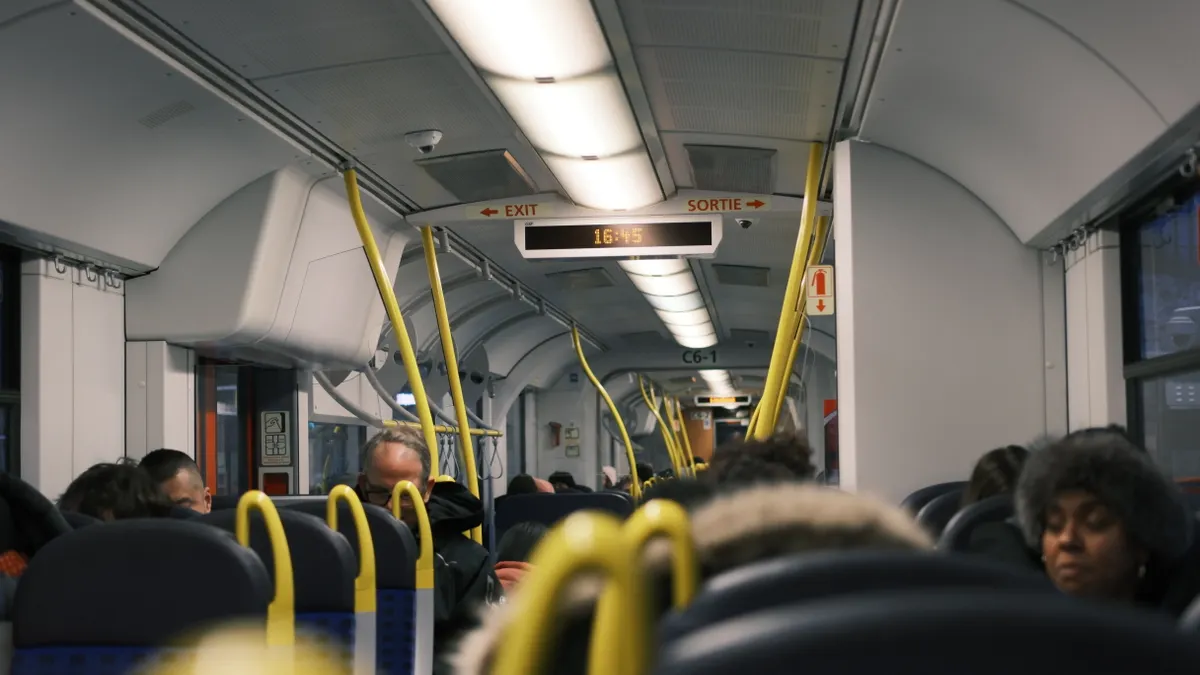
A commuting routine can trigger migraine when transit, crowds, and routine changes pile up at once. In Migraine Trigger Prevention for Commuters: Transit, Crowds, and Routine Changes, the fix is not “avoid commuting”; it is to cut the load before you board, on the ride, and after you arrive. Quick answer: a 10- to 15-minute buffer, a 500 ml to 1 liter water bottle, and a small snack can prevent one late transit problem from snowballing into a worse day.
Key takeaways
- The highest-risk parts of a commute are usually the least controllable ones: packed vehicles, bright light, loud noise, missed meals, and sudden timing shifts.
- A commuter-friendly routine works best when it is repeatable, not perfect.
- Small changes matter most when they protect the same basics every day: food, hydration, light, noise, sleep timing, and a backup plan for delays.
- If a commute is changing your attack pattern, the routine needs adjustment before the next flare becomes your new normal.
- The right plan is the one you can follow on a 20-minute train ride, a 90-minute bus trip, or a day when service is disrupted.
Why commuting can trigger migraine in the first place
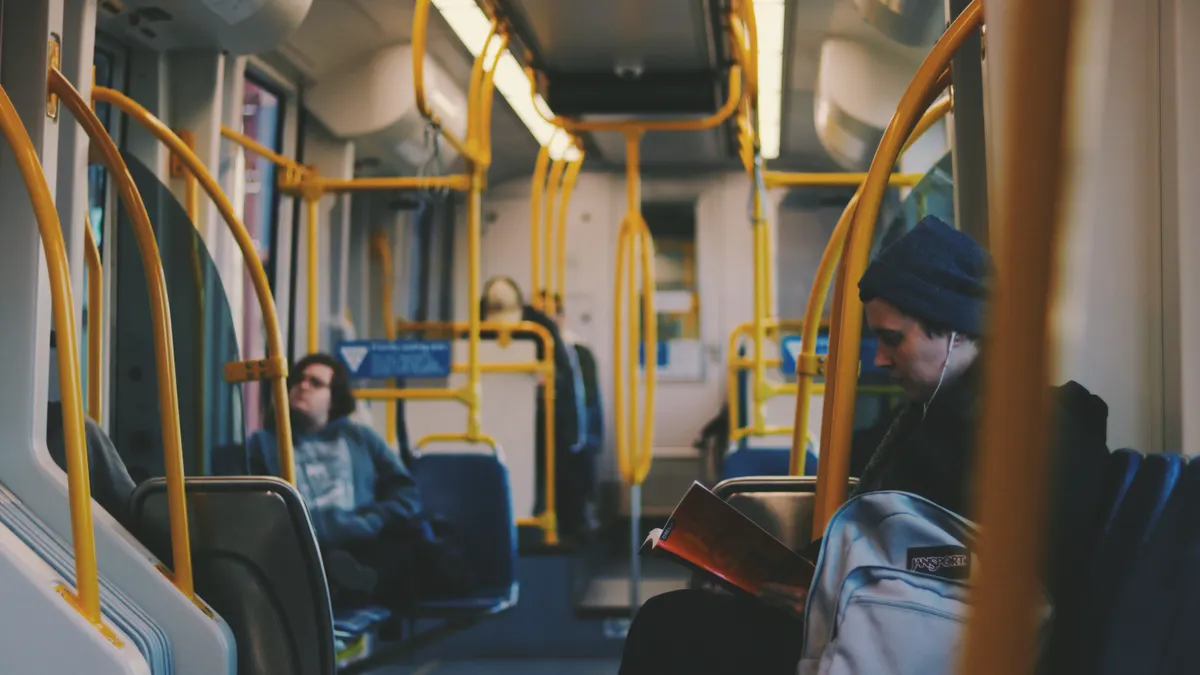
Commuting can trigger migraine because it combines sensory load with routine disruption in one tight window. A crowded platform, a diesel bus, a delayed train, a hot car, and a missed breakfast can all land before 9 a.m., which leaves little room for your nervous system to settle.
The problem is not only the trip itself. It is the way daily transit compresses several known trigger conditions into a predictable slot: light, sound, motion, smell, hunger, dehydration, and schedule changes. One bad element may be manageable. Three or four together can be enough to set off symptoms later in the day.
That is why the most useful plan is built around the commuting routine, not around a single “bad” trigger. A person who reacts to crowded trains may still do fine on an early bus if the ride is quiet, the seat is predictable, and breakfast happens before boarding. Another person may be fine with noise but get hit after a 45-minute delay that shifts lunch and medication timing.
This is also why generic advice often misses the mark. “Reduce stress” is too vague to help at a station platform. “Avoid triggers” is not realistic for someone who has to get to work. The practical goal is narrower: lower the total input on the commute and make the day more predictable.
For broader context on trigger patterns, I link this article to the hub on migraine trigger management rather than trying to cover every trigger here. This page stays focused on commuters, public transit, crowds, and routine changes, and the broader pattern is consistent with guidance from the American Migraine Foundation and the NHS on migraine triggers and management. See also the migraine trigger management hub, the migraine symptoms guide, and the migraine treatment overview.
What parts of commuting are most likely to trigger a migraine?
The most likely trigger points are the ones that change suddenly: crowd density, light exposure, noise level, temperature, and timing. Those changes are often sharper on public transit than on a car commute, because the environment shifts at each stop and transfer.
Bright overhead lighting can be a problem on trains and buses, especially early in the morning or after dark, when the contrast is harsher. Noise is the other obvious one: brakes, engine hum, announcements, and tight conversations can all stack up. Crowds add their own effect by making personal space, breathing room, and movement less predictable.
Schedule changes are easy to underestimate. A 15-minute delay can be enough to push breakfast, coffee, water, medication, or lunch out of place. For some commuters, that timing shift matters more than the ride itself. If your body expects food at 8:00 and gets it at 10:30, the migraine risk can rise even if the train was calm.
Bus and train exposure deserve different plans. On a bus, motion, standing stops, heat, and diesel smell can be more noticeable. On a train, fluorescent light, crowd compression, and transfer stress may be worse. A generic “take transit painlessly” plan ignores those differences. A better plan separates the pieces you can shape from the ones you cannot.
The biggest mistake is waiting until symptoms start to notice the trigger. By then, the commute is already over and the day is still ahead. The better move is to identify which 2 or 3 parts of the trip cause the most load and prepare for those first.
How do I build a commuting routine that lowers migraine risk?
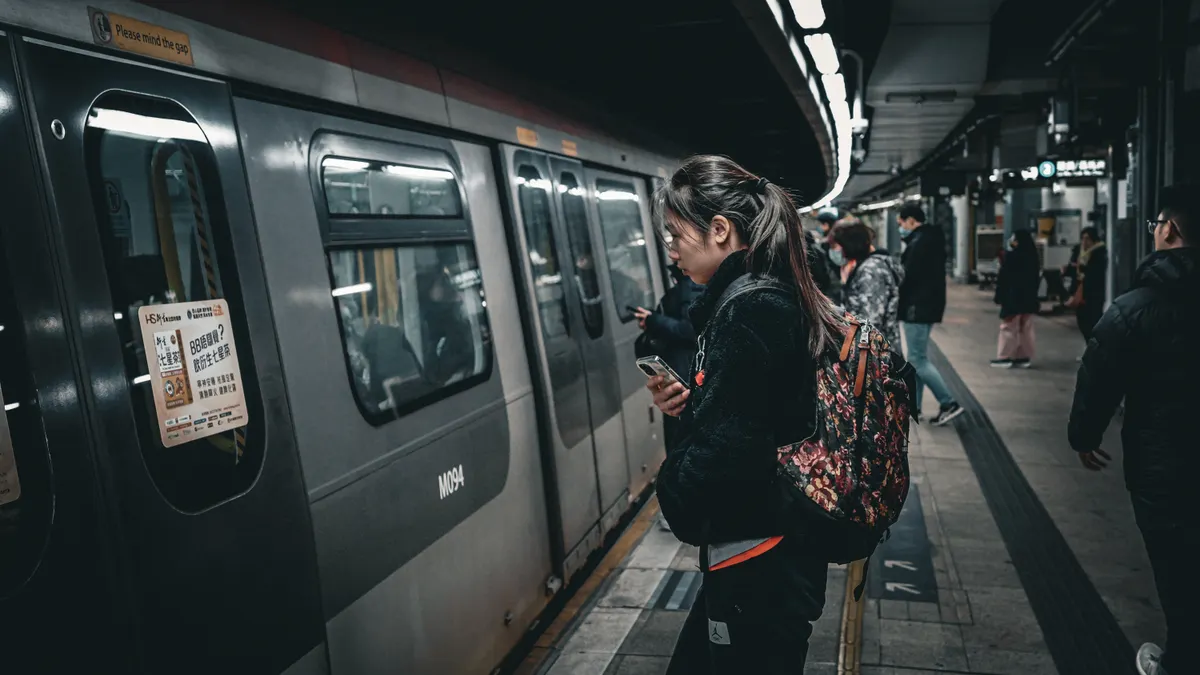
Build a commuting routine by locking in the same four anchors every day: food, water, light protection, and a delay plan. That is the core procedure, and it works best when it is simple enough to repeat before a 6:30 a.m. train or a late-night bus.
-
Set a pre-commute food time and keep it fixed within 30 to 60 minutes.
Eat before boarding if you can, even if it is something small and plain. The result you want is less gap between waking and first fuel, which helps when a delay would otherwise push breakfast later. -
Pack water in a bottle you will actually carry, usually 500 ml to 1 liter.
Put it in the same bag pocket every day. The goal is not perfection; it is to make drinking automatic when the ride runs long or the train is hot. -
Reduce light exposure before you leave and on the platform.
Sunglasses, a cap, or tinted lenses can make a bright station easier to tolerate. If overhead lighting is a known problem, step back from the brightest area when possible and face away from direct glare. -
Control sound with one reliable tool.
Noise-canceling headphones, earplugs, or both can lower the sensory load on buses and trains. The result should be less strain from announcements, engine noise, and crowd chatter. -
Carry a 1-day backup kit for disrupted service.
Include medication as prescribed, a snack that will not crumble easily, water, charger, and any item that keeps the ride predictable. This is what can help keep a 20-minute delay from becoming a skipped meal and a ruined afternoon, but if your migraine pattern is worsening, check with a clinician. -
Build one contingency into your schedule.
Leave a 10- to 15-minute buffer if your route is unreliable. That buffer is not just for punctuality; it keeps the rest of your routine from collapsing when transit is late. -
Review the pattern after a bad week.
If symptoms cluster on transfer days, crowded days, or days with no breakfast, change that part first. Do not overhaul the whole morning unless the whole morning is the problem.
The trade-off is obvious: a structured commuting routine takes planning. It is not for someone who wants zero prep. It is for someone who would rather spend 5 minutes at home than lose 5 hours after an attack starts.
What to do on crowded buses and trains without making the trip worse
Crowded buses and trains are easier to tolerate when the goal is not “relax” but “minimize input.” That means reducing the amount of light, sound, touch, and movement your body has to process for the next 15 to 60 minutes.
Start with position. A seat near the front, by a wall, or where you can avoid being squeezed on three sides is often easier than standing in the middle of a car. On a bus, sitting where the ride feels steadier may help with motion sensitivity. On a train, avoiding the door area can reduce repeated crowd surges and cold-air blasts.
Next, lower sensory load early, not after it builds. Put on headphones before the platform gets packed. Use sunglasses before you step into bright light. If smell is a trigger, a scarf or mask may help, though it can feel inconvenient in hot weather. That inconvenience is a real drawback; it is worth it only if smell is a consistent trigger for you.
Because crowded conditions also make conversation harder, keep interactions simple. Heavy conversation, phone calls, and rushed problem-solving can make a crowded ride feel longer. A commuter who needs to answer messages, scan for stops, and manage standing balance at once is already running at full capacity.
Do not rely on “pushing through” a bad ride. That approach often costs more later, because the body has already absorbed the load by the time you reach work. If the trip is especially crowded, the practical move is to reduce the next two hours: quieter workspace, lower screen brightness, water first, food soon after arrival.
One honest limitation: these tactics can make transit manageable, but they cannot turn a crush-loaded rush hour into a calm environment. If your route is routinely packed to the point of nausea or dizziness, the commute itself may need a different route, different timing, or a hybrid work arrangement.
How should I handle schedule changes, delays, and routine disruption?
You should treat delays as a migraine risk and plan for them before they happen, but if that pattern is severe or changing, consult a clinician. The main goal is to prevent one late bus or missed train from knocking out meals, hydration, medication timing, and sleep. The American Migraine Foundation and the NHS both note that predictable routines and trigger awareness can matter for migraine control.
A delay plan starts with what gets protected first. For most commuters, that means medication schedule, breakfast or lunch timing, and water. If you know a 45-minute disruption is common on your route, build a portable version of the morning or afternoon routine. A banana, crackers, yogurt, or another easy snack can be enough to keep timing steadier until the next stop.
Next, make the routine flexible in one small way. If you normally eat at home, keep a backup snack in your bag. If you normally drink coffee only after arriving, decide whether a small amount before boarding helps on late days. If you take medicine with food, identify what counts as “food” when transit is disrupted.
The common mistake here is trying to preserve the day exactly as planned. That usually backfires. A commuter who refuses to eat on the train because “that is not my routine” may end up with a longer, harder recovery. The better rule is to protect the routine’s purpose, not its exact shape.
Sleep changes matter too, but this page is not the place for the full sleep-trigger discussion. For commuters, the useful move is to keep wake time as stable as possible, even when the evening commute is late. A 30-minute shift may be unavoidable; a rolling shift across several days often is not.
If your transit system is unreliable, build two versions of the day: a normal version and a delayed version. The delayed version should answer three questions in advance: Where will I eat? When will I take medication? What will I do if I am still in transit at the usual meal time?
Packing for delayed trips: the small kit that saves the day
A delayed-trip kit prevents a short commute problem from becoming a full-day migraine problem, though if repeated delays are driving attacks, consult a clinician rather than trying to self-manage alone. The kit does not need to be large. It needs to survive a 20-minute delay, a missed transfer, or an extra hour on the platform.
Pack the basics in one pouch: prescribed medication, water, a snack, charging cable, and any item that reduces sensory load, such as earplugs or sunglasses. A small insulated bottle or a sealed snack container is often better than loose items that get crushed at the bottom of a bag.
Keep the kit in the bag you use most, not in the “special travel bag” you forget twice a month. That is the whole point of a commuting routine: the tools are already where you need them.
Think through the environment too. A bus delay in summer is different from a train delay in winter. Heat, cold, and crowd density all change what belongs in the kit. A light jacket may matter more than a charger on one route; a charger may matter more than a second snack on another. The kit should reflect the route you actually ride, not the route you wish you had.
The trade-off is weight. A well-packed commuter bag is heavier than a bare one. That is the cost of preventing a delayed ride from turning into skipped meals, low blood sugar, or a long sensory spike. Keep the kit lean, but do not strip it down so far that it stops being useful.
What commuters should watch for after the trip ends
Commuters should watch for delayed symptoms for the next 2 to 6 hours, because a trigger-heavy ride can show up after arrival, not during it. That lag is easy to miss if the commute ends and the workday immediately starts.
Pay attention to the first signals: light sensitivity, neck tension, irritability, nausea, or the feeling that ordinary sound is suddenly too sharp. Those are the moments to lower screen brightness, drink water, eat if you have not yet, and reduce noise before the pain deepens.
This is also where a commuter routine proves itself. If symptoms cluster after certain routes, transfers, or delayed mornings, the pattern is giving you useful data. The answer may be a quieter car, an earlier breakfast, a different transfer point, or a buffer that protects meal timing.
Do not treat repeated commute-triggered attacks as something you simply have to tolerate; if they keep happening, consult a clinician about whether your routine, medication timing, or migraine plan needs adjustment. That is a medical question, not a motivation question.
The practical bottom line is simple: commuting does not have to be migraine-proof to be manageable. It has to be predictable enough that your body is not surprised every morning.
What parts of commuting are most likely to trigger a migraine?
The biggest triggers are usually crowding, bright light, noise, motion, and schedule disruption. A delayed train or packed bus can combine several of those at once. The risk rises when the commute also pushes meals, hydration, or medication off schedule.
How can I prepare for a long commute?
Prepare by packing a small delay kit, eating before boarding when possible, and keeping water within reach. A 500 ml to 1 liter bottle, a snack that travels well, and earplugs or headphones can make a long ride easier to tolerate. A 10- to 15-minute buffer also helps.
Should I change food or hydration timing before traveling?
Yes, if your commute regularly stretches past your usual meal time. A small breakfast, a portable snack, or earlier water intake can keep the routine steadier when transit is late. The goal is not a perfect schedule; it is avoiding long gaps that can make migraine more likely.
Further reading
For more on migraine prevention and trigger management, see the migraine trigger management hub, the migraine symptoms guide, and the migraine treatment overview. Authoritative external resources include the American Migraine Foundation and the NHS migraine page.
Drafted with AI; not yet reviewed by a person.
