
Last updated: October 31, 2026
Quick answer: The safest restaurant order is usually the one with the fewest hidden ingredients and the clearest 1-step preparation. For migraine trigger avoidance when you eat out, that often means a plain protein, 1 starch, 1 vegetable, and sauce on the side.
The restaurant ordering strategy that helps most people with migraine is simple: reduce uncertainty before the plate reaches the table. In Migraine Trigger Avoidance When You Eat Out: A Restaurant Ordering Guide, the risk is rarely one ingredient alone; it is the sauce, the marinade, the fryer oil, the wine splash, or the kitchen shortcut you did not see coming.
If migraine attacks are sensitive to food-related triggers, eating out does not have to mean guessing. It means asking for the right details, choosing dishes with fewer hidden ingredients, and skipping the parts of a menu that are hardest to control. This guide focuses on Migraine Trigger Avoidance When You Eat Out: A Restaurant Ordering Guide, not on home cooking or trigger theory.
Key takeaways
- Order dishes with short ingredient lists and visible components.
- Ask about sauces, marinades, fryer oil, and alcohol used in cooking.
- A simple grilled protein with rice or steamed vegetables is easier to assess than a sauced entrée.
- Shared fryers can put you in contact with ingredients you never ordered.
- Menus that say “chef’s choice” or “house sauce” deserve extra questions, not blind trust.
What to do before you open the menu

Start by deciding what level of risk you are willing to take at that meal, because a diner who wants “no surprises” needs a different order than someone who is willing to trade some caution for more options. If you are heading to a new restaurant, check the menu online first and look for dishes built from obvious parts: plain protein, starch, cooked vegetable, and sauce on the side. A menu with 20 entrées is not automatically safer than one with 6; clarity matters more than size.
Have a short script ready for the host or server. “I have a food trigger issue and need help with ingredients” is usually enough to open the right conversation. You do not need to explain migraine in detail unless you want to. What you need first is a place that can answer ingredient questions without sounding irritated.
If the restaurant is a known risk setting, such as a busy bar, a seafood house with a lot of shared prep, or a place that leans heavily on house sauces, decide whether it is worth the trade-off before you sit down. That decision saves you from trying to reverse-engineer the menu at the table while everyone waits.
How to order in a restaurant without guessing
Order the dish with the fewest hidden steps, then change the parts you can see and name the parts you cannot. That is the core restaurant ordering strategy: reduce the unknowns one by one, starting with the base dish.
- Choose a plain anchor dish, such as grilled chicken, fish, tofu, steak, or eggs, and pair it with a simple starch like rice, baked potato, or plain pasta. The result you want is a plate that can be described in one sentence, not five.
- Ask what is already mixed in before the food is cooked. “Is there marinade, rub, or seasoning on the protein?” will often reveal more than asking about the whole dish. If the answer includes a sauce, stock, wine, or spice blend you do not recognize, you have found a hidden variable.
- Request sauces, dressings, and toppings on the side. A side cup is easier to avoid than a sauce brushed onto the meat or tossed through the vegetables. If the server can ring it in separately, you should see the kitchen send it that way.
- Replace the risky side. Ask for steamed vegetables, plain rice, a salad with oil and vinegar on the side, or a baked potato instead of fries. The order is working when the plate arrives looking plain enough that you can identify every item at a glance.
- Confirm the cooking method. Grilled, baked, steamed, or broiled is usually easier to manage than “chef’s special,” “blackened,” or “pan-seared in house sauce.” If the server can say how it is cooked in one phrase, that is a better sign than a vague promise that it is “fine.”
- Repeat the order back in simple language: “Grilled salmon, no marinade, rice, vegetables, dressing on the side.” A correct repeat is the checkmark you want before the order is fired.
A plainer order is not always the most exciting one. That is the point. A meal that is slightly plain is often better than one that leaves you second-guessing every bite for the next 24 hours.
Which menu items are easiest to trust?
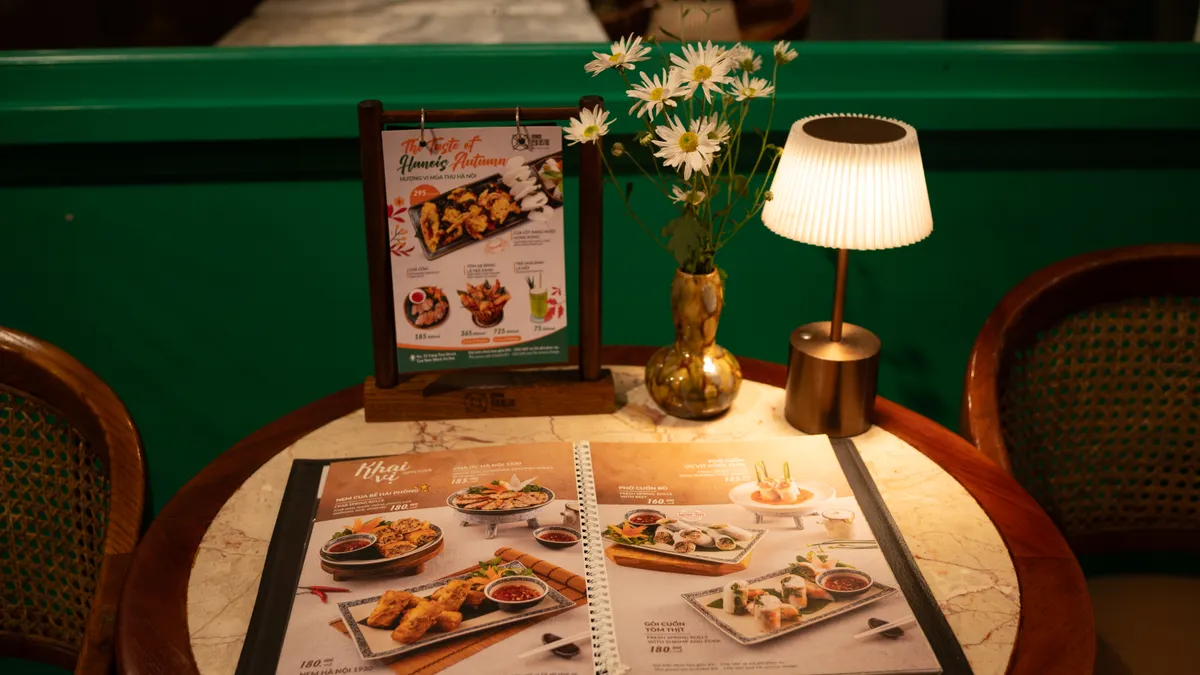
The easiest items to trust are the ones whose ingredients are visible, limited to 3 or 4 parts, and cooked in a way you can describe plainly. A baked potato, plain rice, grilled protein, simple steamed vegetables, or a salad built from separate ingredients is easier to assess than a casserole, stew, curry, or pasta in a heavy sauce.
Look closely at menu language. “House,” “signature,” “chef’s special,” “smoked,” “braised,” and “glazed” are not banned words, but they are signs that something is probably mixed in that you cannot see. If the dish description is long enough to fill 2 lines on the menu, ask more questions. A short description is not automatically safe, but it is easier to interrogate.
Be careful with sandwich shops and fast-casual counters too. A sandwich with 6 toppings, 2 sauces, and a marinated protein can be more complicated than a simple entrée. The same goes for bowls: grains, greens, protein, pickled vegetables, and 2 dressings can add up fast. If you want the lower-risk version, ask for 1 sauce at most and keep the ingredient count small.
A generic article often says “avoid processed foods,” but that is too blunt to help at a restaurant. Processing is not the real problem at the table; uncertainty is. A well-described menu item with plain components is often easier to manage than an “artisanal” dish with hidden marinades and multiple sauces.
How do sauces, marinades, and toppings change the risk?
Sauces and marinades are where many restaurant surprises live, because they can hide multiple ingredients in a single spoonful. A dish can look plain and still carry a marinade made with wine, vinegar, soy sauce, garlic, onion, spice blends, citrus, or other add-ins that never appear on the menu.
Ask specifically about the sauce base, not just the name. “Cream sauce,” “red sauce,” and “house vinaigrette” are labels, not ingredient lists. If the server does not know, ask whether the kitchen can leave it off entirely or put it on the side. If the answer is no, choose another dish.
Watch for toppings that are easy to forget: pickled onions, crispy shallots, relish, herb oil, flavored butter, aioli, pesto, salsa, chutney, and marinades brushed on after grilling. A plate can be “plain” only in the sense that the main ingredient is plain. The garnish often is not.
This matters even more with menu items that look dry on the surface, such as burgers, tacos, skewers, and grain bowls. A burger may come with a seasoned sauce on the bun. Tacos may carry multiple condiments. Skewers can be basted during cooking. A grain bowl can hide several dressings in one dish.
If you need the more cautious version, ask for the sauce in a ramekin, not poured over the plate. That small container gives you control over how much reaches the food, and it leaves a visual cue if the kitchen forgets and sends the dish dressed anyway. If a restaurant cannot separate the sauce, it is telling you something useful about how flexible the kitchen is.
Are shared fryers a problem for migraine triggers?
Yes, shared fryers can be a real problem when you are trying to avoid restaurant trigger uncertainty, because they mix ingredients across foods that never touch on the plate. French fries, onion rings, battered fish, chicken tenders, and other fried foods may all pass through the same oil, basket, or fryer station.
Ask one direct question: “Are the fries cooked in a shared fryer?” That is better than asking whether they are “safe,” because “safe” can mean anything to a server. If the answer is yes, assume the fryer can carry unwanted cross-exposure and choose a non-fried side instead, such as rice, baked potato, fruit, or a side salad with dressing on the side.
Do not forget fried appetizers and shared kitchen tools. A restaurant may use a fryer for multiple items but also share tongs, pans, or cutting boards. The same kind of cross-contact can happen with breaded items, especially when the kitchen is busy. If the menu says “gluten-free fries” but the fryer is shared, the label does not solve the problem.
This is one place where a cautious choice is usually better than trying to work around the kitchen. If your usual order depends on fries or fried onion straws, the safer move is often to replace the side entirely rather than accept a fryer you cannot control. The trade-off is obvious: fewer crunchy options, more predictability.
What should I ask a server about ingredients?
Ask the server 4 things: what is in the dish, how it is cooked, what it is cooked in, and whether anything can be left off. That order gives you the clearest picture with the fewest words.
Useful questions include:
- “What comes on the dish by default?”
- “Is the protein marinated or seasoned before cooking?”
- “Can the sauce come on the side?”
- “Are the fries or chips cooked in a shared fryer?”
- “Does the kitchen use wine, beer, or stock in this dish?”
If the server does not know, ask them to check with the kitchen. That is normal. You are not asking for a recipe; you are asking for enough detail to avoid a trigger-prone meal. The answer is useful even when it is incomplete, because “I’ll check” is better than guessing.
If the menu is vague, ask for the simplest version of the dish, not the most customized one. A restaurant that can remove 1 sauce but not 4 separate toppings is giving you a clue about what the kitchen can handle quickly. Keep the request focused, and avoid stacking 8 changes onto one order unless you are comfortable with the chance of a mistake.
When the safest order is to skip the dish
Skip the dish when the kitchen cannot tell you what is in it, when the server keeps guessing, or when the restaurant style makes ingredient control too weak for your comfort. A busy bar, buffet, chef’s tasting menu, or an allergen-agnostic street-food counter can make the odds worse than they need to be.
This is not a sign of failure. It is a judgment about the setting. If the menu depends on sauces you cannot inspect, a fryer shared across half the kitchen, or marinades that are applied out of sight, the safer decision may be to choose a different restaurant or a simpler dish. That is especially true if you are already in a vulnerable stretch and do not want to take on unnecessary uncertainty.
Bring that same standard to drinks. If alcohol is part of the meal, remember that this article is about ordering strategy, not about which drinks are most likely to trigger an attack. If you want the wider picture, the hub on migraine trigger management can help you place this advice in context.
What this guide is not for: someone looking for a complete trigger list or a debate over which ingredients are scientifically proven to cause migraine. It is for the practical job of getting through one meal with fewer unknowns.
For a more general framework, see the migraine trigger management hub.
What should I ask a server about ingredients?
Ask about the default ingredients, the cooking method, the cooking fat, and anything that can be removed. The cleanest question is: “Can you tell me exactly what is in this dish and whether the sauce or marinade is separate?” If the answer stays vague after 2 tries, choose a simpler item with a shorter ingredient list.
Are shared fryers a problem for migraine triggers?
Shared fryers can be a problem because they let ingredients overlap in oil even when the final plate looks separate. If the fryer is used for battered seafood, onion rings, and fries, ask for a non-fried side instead. A clear “yes, shared fryer” answer is your cue to switch dishes, not to bargain with it.
How do I order safely when the menu is vague?
Order the simplest version of the plainest dish on the menu and ask for sauce, dressing, or toppings on the side. If the menu says “house sauce” or “chef’s choice” and the server cannot explain the ingredients, pick another item. A vague menu needs fewer guesses, not more customization.
Drafted with AI; not yet reviewed by a person.
