
Last updated: August 11, 2026
- The pattern may unfold over 24 to 48 hours, not in one sitting.
- Write down food and drink in the previous 24 hours.
- Trying to pin down which foods trigger migraines?
- This article on foods that trigger migraines: what research actually says sticks to patterns, not folklore.
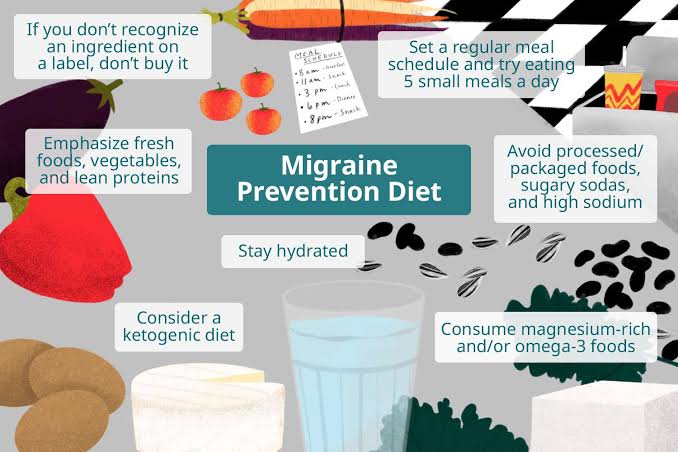
Quick Answer: 3 to 5 food-and-drink patterns account for most suspected food-related migraine triggers, but there is no universal migraine diet. Trying to pin down which foods trigger migraines? Here’s the blunt truth: there isn’t one migraine diet that fits everyone, even though a few foods and drink categories keep showing up often enough to deserve attention. This article on foods that trigger migraines: what research actually says sticks to patterns, not folklore. The biggest mistake I see is treating every “common trigger” as if it hits all people the same way; when you are unsure, consult a clinician or dietitian.
I’ve spent years writing about migraine and headache patterns, and the job is mostly about separating evidence from campfire wisdom. In plain terms, alcohol, caffeine changes, some aged or fermented foods, and skipped meals are the clearest food-related suspects. Timing matters. A lot. The pattern may unfold over 24 to 48 hours, not in one sitting.
Table of contents
- Foods That Trigger Migraines: What the Research Actually Says
- Alcohol: The Clearest Dietary Suspect for Many People
- Caffeine: Helpful, Harmful, or Both
- Aged, Fermented, and Processed Foods: The Realistic Middle Ground
- The Honest Side-by-Side
- The Real Difference Between “Trigger Food” Thinking and Migraine Management
- Our Verdict: Which One to Choose and Why
- When to Reconsider This Choice Entirely
- FAQ
Foods That Trigger Migraines: What the Research Actually Says
Research does not give us a tidy list of “bad foods” that cause migraines in most people. Good to know. I want readers to hear that first, because it saves time and a pile of self-blame. Migraine is personal. Two people can eat the same meal and react very differently, even on the same day.
Some food categories do keep turning up in migraine studies and in clinical guidance from groups such as the American Migraine Foundation and the National Institute of Neurological Disorders and Stroke. Should I had to name the most plausible dietary triggers, I would start with a handful of repeat suspects, but a clinician or registered dietitian can help when the pattern is unclear:
- Alcohol, especially red wine for some people
- Caffeine changes: too much, too little, or abrupt withdrawal
- Skipped meals or long gaps without eating
- Aged, cured, or fermented foods in some people
- Monosodium glutamate, artificial sweeteners, and certain additives in a smaller subset of patients
The subtle point is that “associated with migraine” is not the same as “proven cause.” Migraine attacks often begin with a prodrome phase, and that stretch can bring cravings, nausea, food aversions, or fatigue before the pain starts. So a food eaten during prodrome can look like the culprit when it was really just present while the attack was already underway.
Why skip a giant elimination diet at first? Start with a short, careful food-and-headache log for a few weeks and watch for repeats. If the same food shows up before several attacks, and the timing lines up each time, it deserves attention. Once. Maybe twice. A random one-off in a messy week? Probably a false lead.
For background reading, I trust the overview pages from the American Migraine Foundation and the NIH’s National Institute of Neurological Disorders and Stroke migraine page because they sum up the evidence without pretending it is cleaner than it really is.
Alcohol: The Clearest Dietary Suspect for Many People
Alcohol wins here — especially for people who notice a repeat pattern after even a small amount. Among food and drink triggers, it is one of the most commonly reported. Red wine gets the spotlight, but the issue is broader than color. Any alcohol can be a problem.
Why does it matter? Alcohol can affect hydration, sleep quality, blood vessels, and neurotransmitters. Some drinks also contain compounds that may bother sensitive people, including histamines and congeners. For someone who gets a headache after one glass and can predict it every time, that’s useful information. Not “all in their head.” Just a practical pattern worth respecting.
The evidence is mixed, which is pretty normal in migraine research. Self-reported triggers show up all the time, but blind provocation studies are harder to run and often far less dramatic than internet lists suggest. Even so, the clinical advice is simple: if alcohol reliably comes before attacks, cut it out or reduce it sharply and see what happens.
Blanket “avoid all alcohol forever” advice is too blunt for many people. Some migraine patients tolerate occasional drinking with no issue, especially if they eat, hydrate, and avoid sleep disruption. If you are one of them, there is no research-based reason to fear every sip.
Who should actually use alcohol as a suspect? I would put it at the top of the list for anyone whose migraines follow social drinking, weekend drinking, or wine with dinner. Those whose attacks happen on schedule around menstruation, stress, poor sleep, or skipped meals and show no consistent link to alcohol should not focus on it first.
Caffeine: Helpful, Harmful, or Both
Caffeine wins in a very narrow sense: it is useful if your migraine pattern is tied to withdrawal or inconsistency. It is not a simple trigger food, because it can also help some people treat a migraine or make a pain reliever work better. That double job is exactly why caffeine confuses so many readers, and why a clinician’s advice can help if your intake keeps changing.
The research-backed point is this: changes in caffeine intake matter more than caffeine itself for many migraine patients. If you drink coffee every day and then miss it, that drop can set off a headache or migraine. If you swing between heavy use and none at all, the fluctuation can be a problem. If you drink a small, steady amount and never get symptoms, caffeine may not be your issue.
The upside is predictability. Caffeine-related attacks often follow a pattern that is easier to spot than food additives or spices. The catch? People try to “fix” migraines by adding more caffeine, which can backfire if it turns into a rebound-and-withdrawal loop. Ugly little trap.
Who should actually use a caffeine strategy? I would choose it for people who get headaches on missed-coffee days or after travel, sleep changes, or weekends. The target should be skipped by people who already know that caffeine does not change their migraine pattern, or people whose main problem is anxiety, insomnia, or reflux, where extra caffeine can create fresh problems.
Aged, Fermented, and Processed Foods: The Realistic Middle Ground
Because that middle ground is where most confusion lives, aged and fermented foods are the category people hear about constantly in lists, but I think this group needs the most honesty. These foods are possible triggers for some people, not automatic migraine causes for everyone. The usual suspects include aged cheese, cured meats, soy sauce, certain pickled foods, and some fermented products, according to common clinical guidance and patient reporting.
Usually, the theory points to compounds such as tyramine, histamine, or similar biogenic amines. That makes biologic sense, but it does not mean every person with migraine needs to panic over parmesan. In practice, many people report a trigger only when several things pile up: poor sleep, skipped meals, stress, dehydration, and then a food that would have been fine on a calmer day.
Generic advice goes sideways here. It turns a mixed trigger into a forbidden-food list. The fallout is predictable: unnecessary restriction, stress around meals, and sometimes worse eating habits overall. Honestly, I would rather see someone notice patterns than ban half the grocery store.
Who should pay attention here? People who get repeat attacks after restaurant meals, charcuterie boards, leftovers, soy-heavy meals, or strong cheeses. Anyone who has never noticed a consistent food link and who tends to get attacks from hormonal shifts, poor sleep, or weather changes instead should not make this the first target.
The weak spot is simple: this category is messy. One ingredient is hard to isolate when meals are complicated. That is why I prefer pattern-finding over blanket avoidance, especially if you have only one or two suspicious meals in a month. That rabbit hole gets deep fast.
The Honest Side-by-Side
Below is the comparison I would actually use when helping someone decide where to start. The goal is not to crown a moral winner. The goal is to find the most useful first test.
| Criteria | Alcohol | Caffeine | Winner for condition |
|---|---|---|---|
| Strength of self-reported link | High | High, but mostly through change in intake | Alcohol for repeat post-drinking attacks |
| Best use case | Social-drinking pattern with clear headache follow-up | Missed coffee, travel, weekend withdrawal | Caffeine for consistency problems |
| Main mechanism suspected | Sleep, hydration, vascular, and compound sensitivity | Withdrawal or excess | Depends on timing |
| Ease of testing at home | Easy to pause for a few weeks | Easy to stabilize to one routine | Tie |
| Risk of over-restriction | Moderate | Moderate to high if you rely on caffeine daily | Alcohol if drinking is already occasional |
| Can also help some migraine attacks | No | Yes, sometimes | Caffeine |
| Common false alarm | One bad night blamed on one drink | Weekend headache blamed on coffee | Alcohol and caffeine both |
| Best first move | Cut for a short trial if attacks follow drinking | Keep intake steady, do not yo-yo | Depends on your pattern |
If I had to reduce the table to one sentence, I’d put it this way: alcohol is the cleaner thing to test if attacks follow drinking; caffeine is the cleaner thing to test if attacks follow inconsistency.
The Real Difference Between “Trigger Food” Thinking and Migraine Management
Trigger-food thinking works only when it leads to a specific, testable pattern. It falls apart when it becomes a scavenger hunt for one cursed ingredient. That is the real difference, and it is why food journals beat blanket rules.
Aged cheese and red wine get blamed so often because they are memorable. But migraine management usually reaches farther than that. Sleep, stress, meal timing, hydration, exercise, hormones, and medication use all affect attack risk. Focus only on food, and you may miss the bigger driver, especially when attacks cluster around a weekly routine.
The evidence points to a simple method: identify patterns, then test one change at a time. No dramatic pantry purge. One variable, one trial period, one conclusion. Remove five food groups at once and feel better, and you still won’t know which one mattered. Slippery, right?
Patience is the downside. People want a yes-or-no list. Migraine rarely gives one. The upside is that this method protects you from unnecessary restriction and helps you build a diet you can actually live with.
For readers who like a practical framework, I would start with:
1. Note the attack time.
2. Write down food and drink in the previous 24 hours.
3. Mark sleep, stress, and hydration too.
4. Look for repeats before cutting anything.
That’s much more useful than memorizing a long trigger list from a random blog.
Our Verdict: Which One to Choose and Why
Choose a food-and-drink log if your migraines seem unpredictable and you want to find your own pattern without guessing. Choose targeted avoidance of alcohol or caffeine changes if you already see a repeat connection and want the fastest test. Neither if your attacks are frequent, severe, new, or changing shape; in that case, get medical advice rather than chasing food alone.
That is my clear recommendation because the research does not support a universal migraine diet, but it does support individual trigger tracking. If alcohol is a repeat culprit, remove it for a trial. If caffeine swings are the problem, stabilize intake. If neither shows a pattern, do not keep narrowing your diet just because a list on the internet told you to.
The trade-off is obvious: this approach asks you to observe before you act. Slower than a strict elimination plan, yes, but far less likely to waste your time or make eating miserable. For many readers, the best result is fewer false alarms, not fewer foods.
When to Reconsider This Choice Entirely
There are a few cases where the whole food-trigger framing should move down your list.
-
Your migraines began suddenly or changed sharply.
That deserves a medical review, not more dietary experiments. -
You have neurological symptoms that are new for you.
Weakness, fainting, confusion, vision loss that is unusual, or a “worst headache” pattern needs prompt evaluation. -
Your attacks follow a hormone schedule, not meals.
Many migraines are driven more by menstrual timing, sleep loss, stress, or weather than by food. -
You are restricting more and more foods without clearer results.
That is a sign the strategy is getting more expensive than useful.
Food can matter. Sometimes it matters a lot. But if a person starts fearing every meal, the plan has gone off the rails.
FAQ
What are the most common foods that trigger migraines?
Alcohol, caffeine changes, and some aged, fermented, or cured foods are the most commonly reported. Skipped meals matter too, and a clinician can help when you are trying to sort out the pattern.
Is chocolate a real migraine trigger?
Sometimes, but not for everyone. I would treat chocolate as a suspect only if you see a repeat pattern, because craving for chocolate can also happen before a migraine starts.
Should I cut out all trigger foods at once?
I would not. That makes it impossible to know what helped and can lead to unnecessary restriction. Test one thing at a time.
Can caffeine help a migraine?
Yes, for some people it can help or improve response to a pain reliever. The problem is often caffeine withdrawal or inconsistency, not caffeine in one fixed amount.
When should I talk to a clinician?
If your migraines are frequent, severe, new, or changing, or if you have any unusual neurological symptoms, talk to a clinician rather than trying to manage it with food alone.
