
Last updated: October 31, 2026
Quick Answer: Use this migraine-safe grocery shopping checklist to leave with 3 to 5 repeatable meals, 1 backup meal, and fewer surprise ingredients. In practice, that usually means starting with produce and other plain foods, then checking packaged items last.
A migraine-safe grocery shopping checklist helps you move through the store with a plan instead of guessing at the shelf. The goal is simple: leave with meals you can actually eat, a shorter ingredient list, and fewer surprise trigger ingredients in the cart. This guide to Migraine-Safe Grocery Shopping: A Simple Store Aisle Checklist keeps the focus on a few steady choices, not a perfect cart.
The grocery shopping checklist that keeps the trip focused
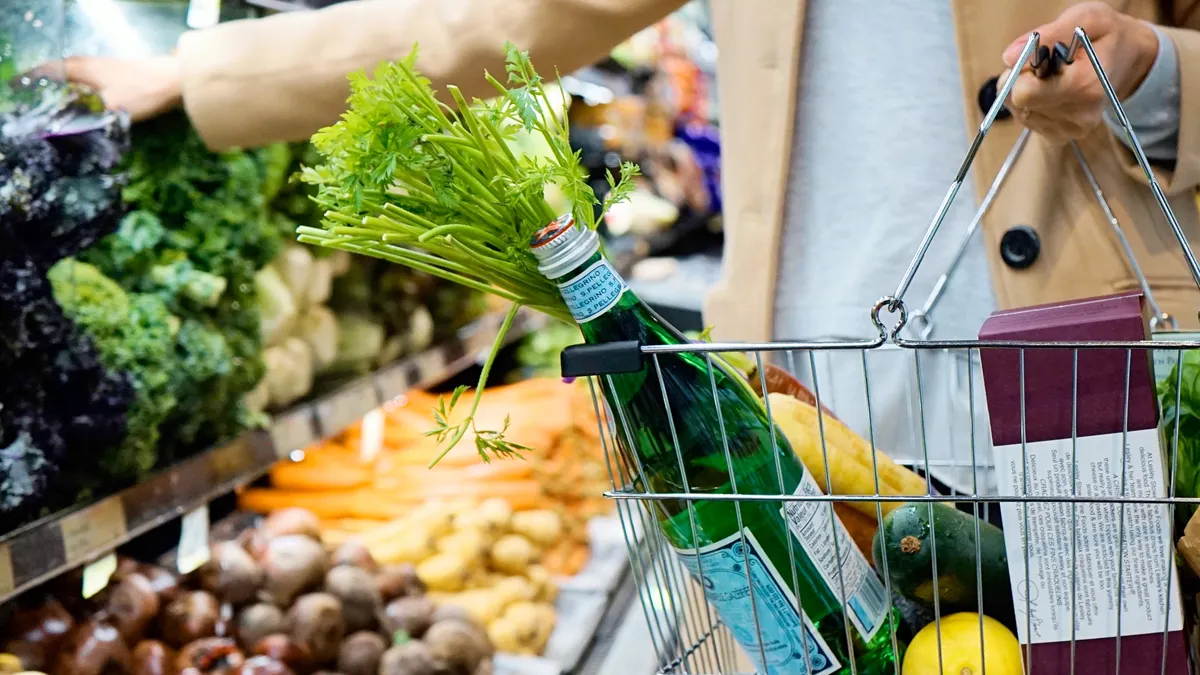
Use this grocery shopping checklist to build a cart from the outside aisles in, then check packaged foods last. The point is not perfect eating; it is reducing the odds that a random dinner plan turns into a migraine trigger hunt at 6 p.m. If you can keep the trip to one loop through the store, the whole process usually stays simpler.
Start with a short list of meal staples: a protein, a starch, a fruit or vegetable, and one backup snack. In most stores, that means produce, dairy or chilled alternatives, meat or fish, and a few shelf-stable items. Skip the “maybe” items until the end. A two-minute decision in the cookie aisle often causes more trouble than a 20-minute trip through the produce section.
Key takeaways
- Build the cart around plain foods first, then add convenience items only if the label is simple.
- Favor products with short ingredient lists and familiar names.
- Use a store route: produce, protein, dairy or alternatives, frozen, then packaged foods.
- Keep one backup meal in the cart so a missed dinner plan does not force a risky takeout choice.
What should I put in my cart first?
Put whole foods and meal anchors in the cart first, because they are the easiest purchases to keep stable from week to week. That usually means vegetables, fruit, eggs, plain yogurt if you tolerate dairy, rice, oats, potatoes, beans, pasta, and fresh meat, fish, or tofu. These are the parts of a meal that usually need the least label scanning, and they give the rest of the trip a clear starting point.
A useful rule is to buy the ingredients for 3 to 5 repeatable meals before you touch novelty items. If a food can stand alone with 2 or 3 other ingredients, it is easier to manage than a product with a long processing chain. That is why a bag of rice, a tray of chicken, and a box of greens often beats a “healthy” frozen bowl with a 14-line label.
This is also the place to buy a backup lunch or dinner. One extra item such as soup ingredients, sandwich fixings, or frozen vegetables can save a weeknight from becoming a guesswork meal. The trade-off is boredom: the cart may look plain. That is the point. Plain is easier to repeat, and repetition is what makes shopping predictable.
If a store has a bulk section, it can be useful for simple grains and plain nuts, but only if cross-contact and packaging are not a problem for you. If loose bins make you uneasy, skip them. A cleaner aisle route beats a clever strategy that makes the trip longer and more stressful.
How do I scan labels without turning shopping into a project?
Scan labels in a fixed 10-second route: name of the food, ingredient list, then the last few ingredients and the allergen box if the package has one. That keeps the decision fast and stops the “I’ll just read everything” spiral that can make shopping exhausting.
Use the same route every time:
- Pick up the package and read the front panel first to confirm it is the exact food you meant to buy, not a flavored version.
- Turn to the ingredient list and look for short, plain language. A shorter list is not automatically safer, but it is easier to evaluate.
- Check for obvious add-ins that matter to you, such as flavor blends, sauces, fermented ingredients, or “spice” mixtures that hide a lot of detail under one phrase.
- Look at the allergen statement if present, because it often answers whether the product contains common major allergens.
- Put it back if the label still feels ambiguous after one pass.
The result should be a simple yes or no within about 30 seconds per item. If you need a deeper label read for a specific trigger concern, that belongs on a separate page or in a planned shopping app note, not in the middle of the aisle.
A common mistake is chasing the “cleanest” label in the store and ending up with nothing in the cart. That costs time and can push you into emergency food choices later. The better move is to choose 1 or 2 packaged foods you already know how to read, then stop.
For a broader framework on trigger management, the migraine trigger management hub can sit behind this checklist without changing the shopping workflow.
Which grocery store aisles are safest to walk first?
The safest first stop is usually produce, because it gives you a lot of plain food with the least label work. After that, go to protein, dairy or alternatives, and frozen vegetables before you enter the center aisles. That order keeps you from filling the cart with convenience foods before you have basic meals covered.
A practical aisle route looks like this:
- Produce: leafy greens, berries, bananas, potatoes, onions, carrots, apples, citrus, and whatever you actually eat.
- Protein: eggs, fresh meat, fish, tofu, tempeh if it fits your diet, and plain deli alternatives only if the label is simple.
- Dairy or alternatives: plain milk, yogurt, kefir if tolerated, or unsweetened alternatives with a short ingredient list.
- Frozen: plain vegetables, fruit, and simple proteins.
- Dry goods: rice, oats, pasta, canned beans, broth, nut butter, and simple crackers.
- Center aisles last: sauces, snacks, condiments, and boxed meals.
This order works because the perimeter of many stores tends to hold the foods that need less interpretation. It is not magic, and it is not the same in every store. Still, starting with the outer edge reduces the chance that hunger, noise, and time pressure will steer the whole trip.
The main limitation is that even “safe” aisles can hide processed versions. A frozen vegetable blend can come with sauce. A plain yogurt can come with sweeteners and flavorings. A simple aisle plan helps you find the right zone, but it does not replace label checking.
What packaged foods are worth buying when time is tight?
Packaged foods are worth buying when they save a meal without dragging in a long ingredient list. That usually means plain frozen vegetables, canned beans, unsweetened oats, rice, plain crackers, nut butter, broth with a straightforward label, and single-ingredient snacks like fruit cups packed in juice or plain nuts if they fit your needs.
The best shortcut foods are the ones that behave like ingredients, not like finished puzzles. A frozen rice pouch, a carton of broth, or a bag of salad can shorten dinner by 15 to 20 minutes without forcing you to decode a long list of additives. That matters on the days when shopping itself already took too much out of you.
A useful filter is this: can I name a full meal from this item in under 10 seconds? If yes, it probably belongs in your cart. If no, the package may still be fine, but it is less useful for migraine-safe shopping because it depends on more label interpretation later.
There is a trade-off here. Convenience foods are not automatically bad, and whole foods are not automatically practical. A person who skips packaged foods entirely may end up with a noble cart and no dinner plan. The smarter move is to keep a small, tested set of packaged items in rotation and use them as backup, not as the whole diet.
What shopping substitutions help when a trigger ingredient shows up?
A good substitution is the one that lets you keep the meal and drop the problem ingredient. That means swapping one item for a plain version, not rebuilding the whole dinner from scratch.
Here are the most useful substitutions:
- Flavored yogurt → plain yogurt or unsweetened alternative
- Seasoned rice mix → plain rice plus your own tolerated seasoning
- Marinated meat → plain meat plus a simple oil-and-herb coating at home
- Sauce packet → canned tomatoes, broth, or a simple homemade sauce if tolerated
- Mixed snack pack → single-ingredient snacks like crackers, pretzels, fruit, or nuts
- Frozen entrée → frozen components you can assemble in 10 minutes
The result is a cart that still works on a weeknight. That matters because people often overcorrect after one bad label read and buy too few options. Then the whole week becomes improvisation.
One mistake is treating substitutions as a punishment. They are not. They are a way to keep grocery shopping predictable even when a brand changes ingredients or a store is out of your usual item. If your choices are already highly restricted for medical reasons, a registered dietitian or clinician can help you sort out substitutions without narrowing the diet more than necessary.
What mistakes make a migraine-safe cart fail?
The biggest mistake is shopping without a meal plan, because a cart full of random “safe” items can still leave you with no usable dinner. The next biggest mistake is buying too many packaged foods on the assumption that every plain-looking box is safe. Both failures cost time, money, and decision energy.
Watch for these patterns:
- Shopping hungry: it pushes you toward convenience foods and larger carts.
- Skipping the back-up meal: it leaves you exposed when the first plan fails.
- Buying too many new products at once: it makes it hard to tell which item caused trouble later.
- Ignoring store layout: it adds time and stress, which can make the trip feel harder than it needs to be.
- Treating a vague label as “probably fine”: it can backfire when the ingredient list is longer than expected; if you are unsure, consult a registered dietitian, clinician, or pharmacist before relying on it.
The fix is dull but effective: repeat 5 to 10 staple items until they are familiar, then add one new item at a time. That keeps the grocery list manageable and makes it easier to notice which foods sit well with you.
If grocery shopping itself is reliably triggering migraines through brightness, noise, or long trips, shorten the visit. Go in with a list, choose the fastest aisle route, and leave once the essentials are in the cart. A perfect cart is not worth a bad day.
How do I build a migraine-safe shopping list?
Build the list by meal, not by category, and keep it to 6 to 12 items for a normal trip. That makes the list easier to use in the store and helps you avoid the trap of buying ingredients that never become meals.
A simple template looks like this:
- 2 proteins: eggs, chicken, tofu, fish, or another staple you tolerate
- 2 produce items: one fruit, one vegetable
- 1 starch: rice, oats, potatoes, pasta, or bread
- 1 quick meal backup: soup ingredients, frozen vegetables, or a simple snack
- 1 or 2 packaged helpers: broth, crackers, nut butter, or canned beans
- 1 replacement item: for the one product that is most likely to be out of stock
That list is enough to cover breakfast, lunch, and dinner without turning the trip into a research project. It also gives you a spare option if one aisle is a mess or a brand has changed its formula. The drawback is that it requires repeat buying. That is not a flaw; it is the point.
For the sharpest version of this approach, keep a running note on your phone with 10 or so foods that have already passed your own check. Then use the store as a place to restock, not as a place to reinvent your diet every week.
What foods are easiest to buy when avoiding triggers?
The easiest foods are plain, single-purpose items with short ingredient lists. Fresh produce, eggs, plain grains, unseasoned meat or tofu, and simple frozen vegetables are easier to manage than layered sauces, flavored snacks, or mixed convenience meals. They give you usable calories without a long label scan or a lot of second-guessing.
How do i build a migraine-safe shopping list?
Build it around 3 to 5 repeatable meals and 1 backup meal. Start with a protein, a starch, produce, and one packaged shortcut you already trust. Keep the list short enough to finish in one store pass, and add only one new product per trip if you want to test something new.
Which store sections are most likely to contain trigger ingredients?
The center aisles usually hold the most label-heavy products, especially sauces, snacks, boxed meals, and flavored mixes. The produce, protein, dairy, and frozen-vegetable sections are usually easier to shop from first. That does not make the outer aisles risk-free, but it does make them easier to navigate with less label work.
Drafted with AI; not yet reviewed by a person.
