
Last updated: October 21, 2026
Key Takeaways
- Build your travel plan around food, water, and timing before you leave.
- Treat airports as backup food stops, not places to improvise.
- Choose plain hotel breakfast items over mixed dishes when possible.
- Drink steadily through the day instead of catching up after symptoms start.
A travel trigger management plan for How to Manage Migraine Triggers on Vacation or Travel is the easiest way to cut the odds of a migraine derailing a trip, because it gives you a food, hydration, and timing plan before airports, hotels, and long travel days start making choices for you. The goal is not perfect control; it is to remove the big, avoidable triggers that travel creates on its own: skipped meals, long gaps between drinks, unfamiliar food, and jet-lagged timing.
For people with frequent or severe migraine, it is sensible to review travel plans with a clinician before you go; the American Migraine Foundation and Mayo Clinic both note that triggers and treatment plans vary by person.
What to set up before you leave
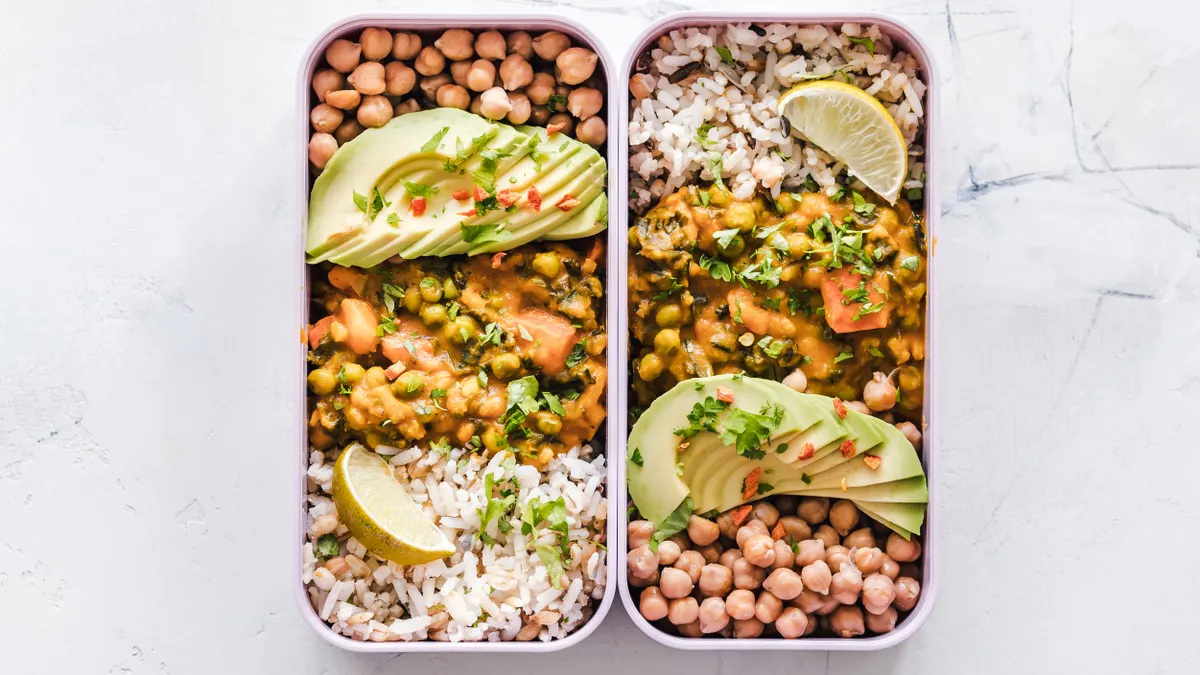
A travel trigger management plan starts with food, water, and timing decisions made before you pack the first bag. The point is to reduce the number of unknowns once you are in an airport, hotel lobby, or train station with limited options.
Start with a simple list of what usually sets off your migraine. For many travelers, the real problem is not “vacation” itself but the chain reaction it causes: a 6 a.m. check-in, no breakfast until 11, coffee at the wrong time, then a rushed lunch. If you already know your common food triggers, write them down in one note on your phone and keep it visible. If you do not know them, travel is a bad week to experiment with a new diet. Stick to familiar foods and regular meal intervals.
Then build around the basics:
- Choose a departure-day meal plan first. Eat a normal breakfast before leaving if your schedule allows, even if it is small. When that is not possible, pack a fallback meal such as oatmeal packets, a banana, or a plain sandwich so you are not forced into a 10-hour gap.
- Map your hydration plan around the trip length. Carry a refillable bottle and decide where you will fill it: home, airport post-security, hotel lobby, or an onboard service point. A bottle you cannot refill becomes luggage, not protection.
- Pack 2 to 4 snack backups in your carry-on. Use foods that survive a few hours without refrigeration, such as nuts if tolerated, crackers, pretzels, or plain granola bars with ingredients you already know.
- Place medicine where you can reach it in 30 seconds. Put migraine medication, anti-nausea medicine if prescribed, and any travel documents in your personal item, not the checked bag.
- Set meal reminders for travel day. A phone alarm every 3 to 4 hours helps you notice time passing when boarding, delays, and time zone changes blur the day.
A plan like this is not for the traveler who wants to “wing it” and hope coffee plus adrenaline will cover the gap. It is for the person who knows that one missed meal can turn into a lost day.
How do you handle airport meals without guessing?
You handle airport meals by treating the airport as a backup food environment, not a place where you improvise. Most airports offer food, but the timing is often the real trap: lines, gate changes, and delayed boarding can easily stretch a meal into a 2-hour project.
The simplest rule is this: eat before you are hungry. If you are already shaky, light-sensitive, or irritable, you are late. Look for food as soon as you pass security if your schedule is tight. In practical terms, that might mean eating a plain breakfast sandwich, oatmeal, a yogurt, or a simple bowl before heading to the gate. Avoid making the entire terminal a scavenger hunt for the one “safe” item after you have already crossed your usual meal window.
A few airport choices tend to work better than others:
- Predictable food beats novelty. A turkey sandwich, rice bowl, bagel with a known spread, or plain eggs is usually safer than a special sauce-heavy option with unknown ingredients.
- Keep sauces, spice blends, and fancy add-ons separate when possible. This matters if certain ingredients have ever been a problem for you.
- If you need caffeine, pair it with food. Coffee on an empty stomach is a common way to make a travel day feel harsher.
- Do not rely on the gate area alone. Gate restaurants can be limited, closed, or crowded right when you need them.
A useful habit is to buy your meal with enough time to eat it calmly. Ten quiet minutes sitting down is better than a rushed sandwich while watching the boarding screen. If the airport has one of the big chain options you know well, choose the most boring item on the menu rather than the most tempting. Travel is not the day to test whether a new wrap or loaded bowl agrees with you.
The trade-off is obvious: airport meals are expensive and boring. That is still better than being trapped with no food and no good choice. The CDC and FAA both emphasize planning ahead for travel disruptions, and the same logic applies to airport meals.
Which hotel breakfast choices are least likely to backfire?
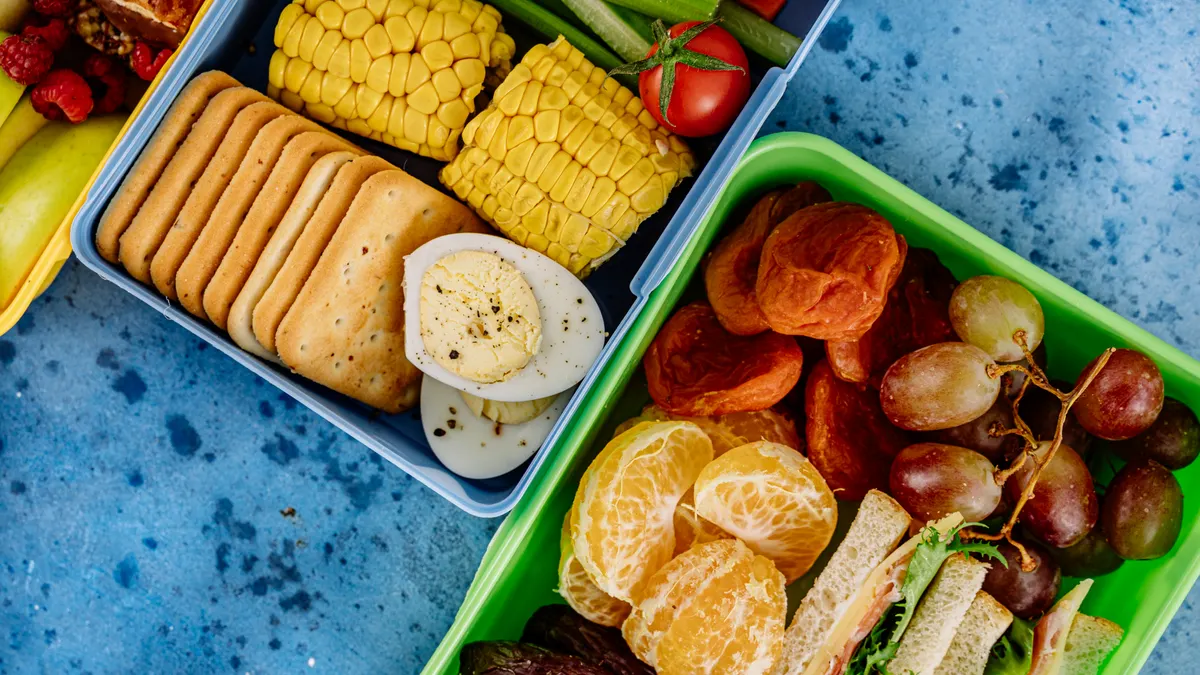
Hotel breakfast choices are easiest to manage when you build a plate from plain parts instead of one mixed dish. The buffet can be useful, but it can also hide the same triggers in different forms, especially when sauces, spice, or long food holding times are involved.
The safest approach is to scan the room once before you plate anything, then choose only what looks plain and fresh. Eggs, oatmeal, toast, fruit, yogurt, and simple cereal are usually easier to judge than breakfast casseroles, pastries with unknown fillings, or heavily seasoned hot items. If you know a food is a problem for you, skip it even if it is free. Free is not helpful if it costs the morning.
A good hotel breakfast plate usually has three pieces:
- One carbohydrate base such as toast, oatmeal, or plain cereal.
- One protein such as eggs or yogurt, if it works for you.
- One fruit or extra snack such as a banana, apple, or packaged bar for later.
That structure helps because it makes the next few hours less volatile. It also keeps you from leaving breakfast with only coffee in your system, which is a common setup for a crash.
At a hotel, timing matters as much as food choice. If breakfast runs from 6:30 to 10:00, do not assume you can wander in at 9:55 and still get the same food quality. Early is better for freshness and for fewer surprises. If you have a morning excursion, take a plate that travels well: fruit, a wrapped muffin you know you tolerate, or a yogurt cup if you have a fridge and a quick departure.
Who this is not for: anyone who already knows buffet food is too unpredictable for their migraine pattern. For those travelers, packing breakfast backup is usually smarter than hoping the hotel spread will cooperate. The National Institute of Neurological Disorders and Stroke and the American Migraine Foundation both note that regular routines can matter, which is why breakfast timing is worth protecting.
How much water should you plan for on travel days?
You should plan for regular drinking all day, not a last-minute catch-up when your head starts to throb. Dehydration is a common travel problem because airplanes, long drives, and crowded itineraries make people drink less than usual, and travel meals are often saltier than home meals.
The simplest method is to carry a bottle you can refill and use it as a checkpoint. Drink some water before leaving home, drink again before boarding, then keep sipping at predictable stops: after security, after takeoff if flying, during layovers, and with each meal. If you tend to forget, put a reminder in your phone every 60 to 90 minutes on travel day.
A few rules make hydration easier:
- Do not wait until your mouth is dry. By then, you are already behind.
- Pair water with routine events. For example: wake up, check in, clear security, sit down to eat, arrive at the hotel.
- Use electrolyte drinks only if they fit your usual routine. New products can upset your stomach or add ingredients you do not tolerate.
- Be careful with alcohol on the first travel day. It can make hydration harder and can also blur your meal timing.
Airports and hotels usually give you opportunities to refill, but only if you look for them. Some terminals have bottle-filling stations; some hotel gyms or lobby areas do as well. If you are traveling with a carry-on, a bottle that empties quickly is fine as long as you know where the next refill is.
The honest limitation is that water alone does not “fix” a migraine trigger problem. It helps only when it is part of a bigger plan that also protects food timing and rest. Still, on travel days, hydration is one of the few controls you can keep almost all the way through the trip. The Mayo Clinic and CDC both recommend steady fluid intake as part of general travel health.
What snacks travel well for migraine prevention?
The best travel snacks are plain, sealed, and hard to ruin before you eat them, at least for the specific foods you already know you tolerate. They should survive a backpack, a seat pocket, or a hotel nightstand and still be something you would eat on a normal day.
Good carry-on options often include:
- crackers or pretzels
- plain granola bars with familiar ingredients
- nuts, if you tolerate them
- shelf-stable applesauce pouches
- dried fruit in small portions
- simple sandwiches for short trips
- instant oatmeal packets if you have hot water access
The main job of a travel snack is not to be exciting. It is to keep your meal rhythm stable when the flight is delayed, the tour runs long, or the restaurant opens later than promised. A snack that is easy to ignore in normal life becomes valuable when the only other option is waiting 4 more hours for dinner.
Packing matters as much as the snack itself. Keep at least one item in your personal item so you do not have to unpack a suitcase in public. If you are flying, choose foods that are allowed in your carry-on and that do not create a mess in a bag. A crushed bar is still useful; a leaking container is not.
One mistake is packing only “healthy” travel snacks that you never actually eat. Another is bringing too many different foods and then spending energy deciding among them. Pick 2 or 3 you know well and repeat them. Familiarity beats variety when your goal is not to trigger a headache on the road.
A note for people with dietary restrictions: if a snack contains a trigger you already know about, do not assume travel changes the rules. Travel stress does not make an unsafe food safer. For more planning help, see the migraine triggers guide and the travel checklist linked from it.
How do time zone changes affect meals and triggers?
Time zone changes affect meals and triggers by shifting when your body expects food, coffee, and sleep, so the first two or three days can feel off even if you are doing everything “right.” The practical problem is not only jet lag; it is that your meal window can slide into a gap where you are hungry but not yet ready to eat a full local meal.
The fix is to anchor your eating to local time as soon as you can, while keeping the transition smooth. If you land in the morning, eat a breakfast-sized meal even if your home time would call it midnight. If you land late, keep dinner simple and avoid a giant late-night plate just because you missed a meal earlier. Big swings are often the problem.
A travel day across time zones works better when you do three things:
- Pick one “first local meal” and do not skip it. Even a small plate counts.
- Use snacks to bridge the gap, not to replace all meals. A bar at 4 p.m. is better than arriving at dinner with no fuel.
- Keep caffeine on a timer, not on impulse. Too much caffeine too late can make the next day worse.
If your route crosses 1 or 2 time zones, you may only need minor adjustments. For longer trips, especially eastward travel that compresses the day, the first 48 hours matter most. That is when the temptation to grab whatever is easy is strongest, and when a skipped meal can stack with poor hydration and a busy itinerary.
The trade-off here is freedom. A strict meal schedule can make travel feel less spontaneous. Still, if your body likes routine, consistency is the cheaper price. The American Academy of Sleep Medicine and Mayo Clinic both describe timing shifts as a real jet lag issue, which is why meal timing is worth planning.
For a broader framework, see the main migraine trigger management hub, which covers the wider pattern of trigger control without focusing only on travel.
What should you do when a travel day goes off schedule?
You should go back to the simplest version of your plan: eat something plain, drink water, and stop waiting for the perfect meal. Travel rarely stays on schedule, and the most common trigger cascade starts with people deciding to “wait until the next stop” when the next stop keeps moving.
Use this rescue sequence:
- Eat the first safe food available. A packaged snack, a piece of fruit, toast, crackers, or a plain sandwich is better than nothing.
- Drink water before you try to “push through.” A few steady sips are enough to start.
- Take your usual migraine medication early if that is part of your plan. Do not wait until the pain is severe if your clinician has given you a timing plan.
- Reduce noise, light, and motion where you can. Sunglasses, a hat, headphones, or a short rest in a quiet room can help, depending on what you have and what your symptoms allow.
- Simplify the next meal. Order the safest item on the menu, not the most interesting one.
This section is where many generic articles get it wrong: they tell you to “eat healthy” or “stay hydrated” as if those phrases solve a delayed flight. They do not. The real move is making a bad travel day smaller instead of letting it spread into dinner, sleep, and the next morning.
The people this approach is not for are those who want a perfect, rule-heavy plan that survives every delay without flexibility. Travel does not work that way. A good travel trigger management plan is built to absorb disruption, not to prevent it.
What snacks travel well for migraine prevention?
Plain, sealed snacks that you already tolerate are the easiest choice. Crackers, pretzels, simple granola bars, nuts if they work for you, and applesauce pouches travel well because they are compact and do not need refrigeration for a few hours. The best snack is the one you will actually eat before you get hungry enough to skip it.
How do time zone changes affect meals and triggers?
Time zone changes can shift your meal timing, caffeine timing, and appetite, which makes skipped meals more likely. The practical fix is to use local time for your first meal and then keep a simple snack-and-water rhythm for the first 24 to 48 hours. Small, regular eating usually works better than one large catch-up meal.
What should i pack before a trip?
Pack migraine medicine in your personal item, plus a refillable bottle, 2 to 4 familiar snacks, and one simple fallback meal such as oatmeal, crackers, or a plain sandwich.
Drafted with AI; not yet reviewed by a person.
