Category: Tracking and Prevention Systems

  • Tracking and Prevention Systems — The Complete Guide

    Last updated: August 11, 2026

    Key Takeaways

    • For example, NIST Special Publication 800-53 Revision 5 is a widely used control catalog, and the GAO’s Green Book is a common federal internal-control reference.
    • That is the kind of moment where tracking and prevention systems earn their keep.
    • – Tracking is often simpler to deploy and easier to audit.
    • The cleanest way to frame it is this: Tracking systems answer: What happened?

    Quick Answer: For most teams, tracking and prevention systems are best chosen by risk level: tracking is usually faster to deploy, while prevention is better when a single failure is costly. In practical terms, tracking systems are often the first step for learning, and prevention systems are the first step for blocking harm.

    A package goes missing. A machine skips a step. A hospital workflow misses a check. That is the kind of moment where tracking and prevention systems earn their keep. This article looks at how tracking and prevention systems handle one core problem: spotting trouble early enough to stop loss, risk, or repeat damage before it spreads. Which one should you pick? Not the one with the longest feature list. The real test is simpler: will it catch the right events fast enough, without burying you in false alarms or opening new blind spots?

    Key facts
    – Tracking systems answer what happened; prevention systems try to stop it before it becomes a problem.
    – Prevention systems can reduce harm before it lands, but they usually require tighter rules and more exception handling.
    – Tracking is often simpler to deploy and easier to audit.
    – Prevention works best when the failure mode is clear and the cost of a miss is high.
    – NIST, ISO, and the U.S. GAO all publish guidance relevant to controls, risk, and monitoring.

    I write on security, operations, and risk control systems, and I judge these tools by one standard: do they reduce avoidable surprises without creating a second job for the people who have to run them?

    The Real Difference Between Tracking and Prevention Systems

    Tracking systems and prevention systems are not the same tool, and treating them as if they are leads to bad buying decisions. One shows you that something happened, where it happened, and sometimes why. The other tries to stop the event before it becomes a problem. Need visibility? Tracking wins. Need to keep a costly mistake from happening? Prevention wins.

    That split matters because many buyers ask for “both” when they really need one priority. A shipping manager may need tracking first, because knowing where a package is matters more than blocking every delay. A hospital, lab, or factory may need prevention first, because a missed step can hurt people or destroy inventory. The wrong choice creates either blind spots or too much friction. And friction has a way of sneaking into daily work like grit in a hinge.

    The cleanest way to frame it is this:

    • Tracking systems answer: What happened? When? Where? To whom?
    • Prevention systems answer: Can I stop this from happening again?
    • Combined systems answer both, but they cost more in money, setup time, and maintenance.

    A generic article often implies prevention is always better. That is too broad. Prevention systems can be too strict, too noisy, or too dependent on clean inputs. Bad sensor data makes bad rules. Then the system blocks normal work while missing the rare event you actually care about. A shiny control that misses the mark is just expensive static.

    For a buyer, the decision usually comes down to four things:

    1. Risk level — how bad is the failure?
    2. Volume — how many events need review?
    3. Response speed — do you need real-time blocking or later investigation?
    4. Human tolerance — can your team handle alerts, approvals, and exceptions?

    Start with tracking if those answers are fuzzy. You can add prevention once you know which events are worth stopping and which are just noise. On the other hand, if the risk is already obvious and severe, start with prevention and add tracking around it so you can audit what the system did.

    Useful references I trust for system design and control thinking include the National Institute of Standards and Technology’s guidance on security and privacy controls, the International Organization for Standardization’s work on risk management and information security, and the U.S. Government Accountability Office’s materials on internal controls and monitoring. For example, NIST Special Publication 800-53 Revision 5 is a widely used control catalog, and the GAO’s Green Book is a common federal internal-control reference. Those bodies do not sell products, which is one reason I trust their framing more than vendor copy.

    Tracking Systems: Who Should Actually Use This (and Who Shouldn’t)

    Tracking and Prevention Systems — The Complete Guide

    Use tracking systems when your first problem is visibility, not enforcement. I would choose tracking when the real pain is “I don’t know what happened” rather than “I must stop this from happening.” That shows up in logistics, fleet management, workplace asset control, inventory movement, compliance logging, and incident review.

    Tracking fits teams that need a record of movement or behavior. A good setup builds a timeline. It shows patterns. It lets you figure out whether a delay came from a handoff, a route change, a missing scan, a device failure, or a human mistake. That makes it useful for operations teams, customer support teams, and compliance teams that need evidence after the fact.

    The strengths are practical:

    • It is easier to deploy than prevention.
    • It usually interferes less with daily work.
    • It is better at finding process failures.
    • It gives you proof when someone asks, “What changed?”

    The weakness is just as practical: tracking does not stop the bad event. If a parcel is stolen, a tracking log only shows where it disappeared. If a machine part was skipped during assembly, tracking may reveal the gap after the defect is already out the door. So tracking is often a learning tool, not a shield.

    I would skip tracking-first systems if the damage from one miss is too high to accept. Food safety, critical access control, medical devices, hazardous materials, and some fraud scenarios need prevention, not just records. If the risk is low or the process is still being mapped, though, tracking is the smarter start. It teaches you what matters before you lock the process down. Honestly, that trade-off is easy to miss until the first incident lands.

    The mistake I see most often is buying a tracking system and expecting it to behave like a guardrail. It cannot. It can only tell a better story about what happened. If that story is enough to change behavior, tracking is a good investment. If it is not, the system becomes an expensive diary.

    Should you choose tracking, look for three things: clean event capture, searchable history, and reliable alerts for exceptions. Without those, the system may collect data but fail to produce usable information.

    Prevention Systems: The Specific Situations Where It Wins

    Prevention systems win when a failure is costly enough that “we’ll know after the fact” is not acceptable. I would choose prevention when a bad event can trigger injury, regulatory trouble, large losses, or repeated operational damage. In those cases, blocking is worth the friction.

    This is the right category for access control, fraud prevention, safety interlocks, policy enforcement, duplicate-detection rules, transaction screening, and automated compliance checks. The logic is the same across all of them: stop the risky action before it completes.

    The strength of prevention is obvious. It reduces exposure before the damage lands. It can also standardize decisions, which matters when humans would otherwise make inconsistent calls under pressure. In a high-volume environment, that consistency is a major advantage. A good prevention system does not get tired, distracted, or embarrassed to ask for a second check.

    But prevention has real costs:

    • It can block legitimate work.
    • It creates exception handling.
    • It depends on rules that may age badly.
    • It can create user friction if the workflow is heavy or opaque.

    That last point matters more than most buyers expect. A prevention system that slows everyone down invites workarounds. Once people start bypassing controls, the system may look strong on paper and weak in practice. I would rather have a slightly lighter prevention layer that people follow than an ultra-strict one they resent.

    Prevention is the better fit if you have clear rules and clear boundaries. If the system can tell the difference between normal and risky behavior with reasonable confidence, prevention pays off. If the signals are messy or the edge cases are common, you may spend too much time tuning the rules and clearing false positives.

    This is why prevention is not automatically the “advanced” choice. It is only better when missing the event would cost more than the nuisance of false alarms. If that trade-off is not clear, tracking plus targeted manual review is often the wiser first step.

    When I recommend prevention, I am usually recommending it for environments where the process itself can be standardized. If the work is too variable, the system needs so many exceptions that it starts to lose its value. It gets muddy fast.

    The Honest Side-by-Side

    Tracking and Prevention Systems — The Complete Guide

    Tracking and prevention are not rivals; they solve different problems. Still, buyers need a side-by-side view because the decision usually gets made under time pressure and with incomplete information.

    Criteria Tracking Systems Prevention Systems Winner for [condition]
    Primary job Records events and creates visibility Blocks or reduces risky events before they complete Prevention when failure is costly; tracking when visibility is the first gap
    Setup complexity Usually simpler to launch Usually needs tighter rules, thresholds, and exception paths Tracking for fast deployment
    Impact on daily work Lower friction Higher friction if controls are strict Tracking for user acceptance
    Ability to stop harm Weak; mostly post-event insight Strong when rules are accurate Prevention for high-risk events
    Value in audits or investigations Very strong because it preserves history Useful, but the main value is control rather than evidence Tracking for audit-heavy environments
    False alarm risk Usually lower because it observes more than it blocks Often higher because the system must decide and act Tracking when tolerance for noise is low
    Need for human review Often higher, because people interpret the data Can be lower if the control is reliable and the rules are mature Prevention when you need scale
    Best fit data quality Works even when data is imperfect, as long as it is readable Needs cleaner data because bad inputs can block good work Tracking for messy environments
    Long-term payoff Improves process knowledge and trend analysis Reduces repeat incidents and policy breaches Depends on whether learning or blocking matters more

    The table sounds blunt because the trade-off is blunt. Tracking gives you knowledge. Prevention gives you control. Pick the wrong one, and the system still “works” — just not for the problem you actually have.

    A generic article would stop here and say “the best solution depends on your needs.” That is true, but it is lazy. The real decision is this: if you already know the failure mode and can define it clearly, prevention is worth the complexity. If you are still learning where the process breaks, tracking is the better investment because it teaches you before it constrains you.

    I would also caution against systems that claim to do both equally well. In practice, many tools are stronger in one direction. Some track beautifully and prevent weakly. Others prevent effectively but produce thin logs that make audits painful. The choice depends on which failure would hurt you more: missing the event or creating too much friction.

    Tracking Systems: The Strengths, Weaknesses, and Best-Fit User

    Tracking systems are the better choice for organizations that need truth before control. I would pick tracking if the team is still discovering where problems originate, if the environment changes often, or if evidence matters as much as action.

    The strongest reason to use tracking is that it gives you a map. You can see where a process stalls, where handoffs fail, where inventory disappears, or where a pattern repeats. That matters because many organizations think they have a prevention problem when they really have an information problem. They cannot stop what they cannot clearly describe.

    Tracking is also easier to scale across departments because it tends to be less intrusive. People can keep working while the system records events in the background. That can make adoption smoother, especially when the users are not highly technical.

    The weaknesses are not subtle. Tracking is reactive. It rarely saves you from the first hit. It may also produce a lot of data that nobody reads unless someone owns the review process. If no one is responsible for checking logs, trends, and exceptions, the system becomes an archive rather than a management tool. That’s a paperweight with a dashboard.

    This is who should use tracking:

    • Teams with unclear failure modes
    • Operations groups trying to find bottlenecks
    • Compliance teams that need records more than controls
    • Logistics, field service, and asset-management teams
    • Buyers who need a lighter rollout first

    This is who should skip it:

    • Environments where a single failure is too costly
    • Teams that need hard enforcement, not evidence
    • Organizations with no owner for log review and follow-up

    The best tracking systems also support action. That means alerts for unusual events, clean exports, and filters that help people spot outliers quickly. A system that only stores records is not enough. I would rather have a smaller set of reliable tracking signals than a flood of low-value data.

    Prevention Systems: The Strengths, Weaknesses, and Best-Fit User

    Prevention systems are the better choice when the main question is not “What happened?” but “How do I keep this from happening again?” I would choose prevention when the risk is serious, the rule is known, and the cost of a miss is high.

    The biggest strength is obvious: prevention reduces exposure before damage lands. In the right setting, that is worth the complexity. It can stop unsafe behavior, block unauthorized access, reject bad transactions, or force a review before an irreversible action goes through. It also helps create consistency. A system does not get rushed or forget a step at the end of a long shift.

    The downside is that prevention systems are easier to get wrong. If the logic is too broad, you block legitimate work. If it is too narrow, you miss the event you were trying to stop. Either way, the system creates consequences. That is why prevention needs careful rule design, exception handling, and ongoing tuning. It is not a “set it and forget it” tool.

    This is who should use prevention:

    • High-risk operations with clear rules
    • Teams facing compliance or safety exposure
    • Organizations that can define risky behavior cleanly
    • Workflows where blocking is better than reviewing later
    • Environments where one failure costs far more than a false alarm

    This is who should skip it:

    • Teams with messy data and ambiguous edge cases
    • Organizations that cannot support exception handling
    • Workflows that change every week
    • Places where user friction would drive workarounds

    The real cost of prevention is not just the software. It is the process around it. Someone has to own policy, tuning, and appeals. If that responsibility is vague, the system will drift. It may become either too strict or too permissive, and both outcomes weaken trust.

    I also think prevention is often oversold to management because it sounds decisive. That can be a trap. A prevention system without good data is not strong; it is just assertive. I would trust a modest control that matches the actual risk more than a flashy one that blocks the wrong things.

    Our Verdict: Which One to Choose and Why

    Choose tracking if your first problem is uncertainty, your process is still being mapped, or your team needs evidence and trend data before it can enforce anything. Choose prevention if you already know the failure mode, the cost of a miss is high, and the rules can be written clearly enough to block risk without wrecking normal work. Neither if you have no owner for alerts, no one to tune the system, or no clear reason why the events matter in the first place.

    That is my call because the biggest mistake buyers make is trying to solve an information problem with a control system, or a control problem with a logging system. Tracking buys clarity. Prevention buys restraint. If you pick the wrong one, you do not just waste money; you can also create blind trust in a system that is solving the wrong job.

    If I had to reduce it to one sentence, I would say this: start with tracking when you need to learn, start with prevention when you need to stop harm.

    A generic recommendation would tell you to “consider both.” I think that is too vague to be useful. Most teams can name the larger pain if they are honest. If the complaint sounds like “we keep finding problems too late,” tracking is the right first move. If the complaint sounds like “we already know the risk and need to stop it,” prevention is the right first move.

    There is a middle path, but it should be deliberate. Many of the strongest programs use tracking first, then add prevention only for the handful of events that prove repeatable and costly. That sequence keeps the system from becoming overengineered before the organization understands what it is actually managing.

    When to Reconsider This Choice Entirely

    There are cases where the tracking-versus-prevention decision is the wrong frame. I would step back and rethink the whole setup if any of these are true.

    First, if the process itself is badly designed, neither system will save it. A broken workflow with too many handoffs, unclear ownership, or inconsistent rules will produce bad data and bad controls. In that case, fix the process before you buy more software.

    Second, if the team does not trust the data source, the system will underperform. Tracking built on incomplete inputs creates false confidence. Prevention built on poor inputs blocks the wrong actions. If the source is shaky, the first investment should be data quality, not more rules.

    Third, if the organization cannot maintain the system, the purchase is premature. Tracking needs review and cleanup. Prevention needs tuning and exception handling. If nobody owns those jobs, the system decays.

    Fourth, if

  • Migraine Trigger Tracking Apps: Features to Look For

    Last updated: August 11, 2026

    Key Takeaways

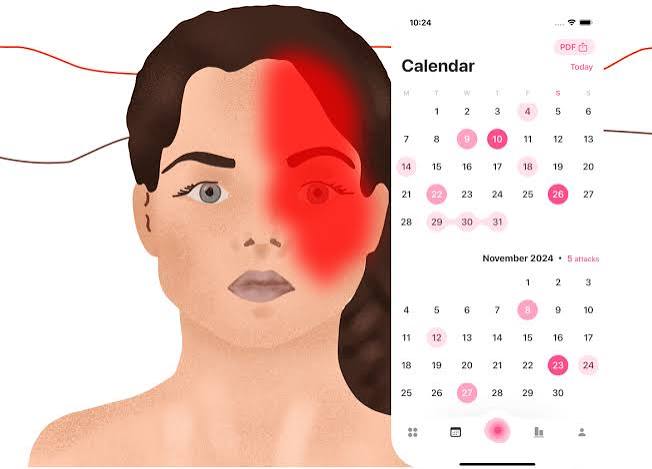
    • Key Facts – A useful migraine trigger tracking app should log sleep, meals, stress, medication, and symptoms in less than 1 minute.
    • The strongest options usually let you log an attack in under 1 minute, compare patterns across weeks, and export a report for a clinician.
    • – Migraine logs can include sensitive data such as menstrual timing, medications, and work schedules.
    • – The American Migraine Foundation and NINDS both recommend tracking symptoms and triggers as part of migraine self-management.

    Quick Answer: The best migraine trigger tracking apps are the ones you will actually use on a bad day. The strongest options usually let you log an attack in under 1 minute, compare patterns across weeks, and export a report for a clinician.

    Key Facts
    – A useful migraine trigger tracking app should log sleep, meals, stress, medication, and symptoms in less than 1 minute.
    – Export options such as PDF or CSV help turn app notes into a doctor-ready summary.
    – Migraine logs can include sensitive data such as menstrual timing, medications, and work schedules.
    – The American Migraine Foundation and NINDS both recommend tracking symptoms and triggers as part of migraine self-management.
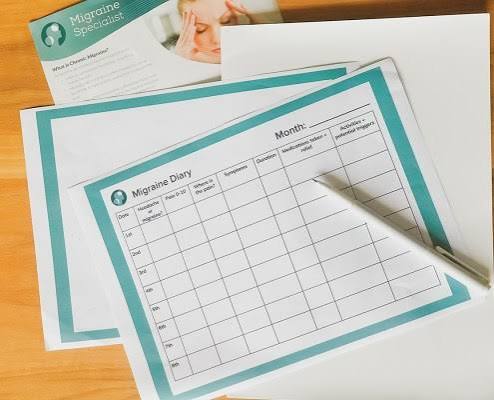
    – For short-term tracking before an appointment, a simple diary may be enough.
    – If an app is too slow, users often stop logging within days, which makes the data less useful.

    Migraine trigger tracking apps should help you spot patterns, not just log headaches. No connection to sleep, meals, stress, hormones, weather, or medication timing? Then the app is mostly a diary with a prettier screen.

    I write about migraine tools with one goal in mind: helping people choose something they will still use on a bad week, not just on day one. For migraine trigger tracking apps, the right choice depends on whether you need quick logging, pattern analysis, or something you can bring to a neurologist.

    The Real Difference Between a Simple Migraine Diary and a Trigger Tracking App

    A diary records what happened; a trigger tracking app helps you ask why it happened. Small distinction. Big payoff. A plain diary is useful if you only need a record of attack days, pain severity, and medication use. A trigger tracker becomes more valuable when it turns those entries into patterns you can act on.

    So I would choose a trigger tracking app over a basic diary when you are still in the “What is setting this off?” stage. This is where the extra features matter: fast symptom entry, flexible trigger tags, calendar views, and summaries that show repeated overlaps. If an app only lets you tap “headache” and move on, you may collect data you never learn from.

    Honesty helps here. Migraine memory gets patchy once the pain lifts. A useful app makes logging take seconds, because less friction usually means a fuller record. You should also be able to note things that do not fit a neat menu: missed meals, an unusually long screen day, travel, dehydration, bad sleep, menstrual timing, or a medication change. Those messy details are often where the clue lives.

    Because app data can be misleading, context matters as much as the chart. A bad app may show a correlation that is really coincidence. This is why strong features are not just charts; they are context, export options, and enough flexibility to compare your own patterns over time. For medical guidance, I would treat app findings as a starting point for discussion with a clinician, not as proof on their own. The American Migraine Foundation and the National Institute of Neurological Disorders and Stroke both offer patient-friendly migraine education that is useful alongside app tracking:
    – American Migraine Foundation: https://americanmigrainefoundation.org/
    – NINDS migraine information: https://www.ninds.nih.gov/health-information/disorders/migraine

    Migraine Trigger Tracking Apps: Features to Look For

    Migraine Trigger Tracking Apps: Features to Look For

    When I were choosing an app today, I would rank features in this order: speed of logging, trigger customization, pattern reporting, export/share options, reminders, and privacy controls. That order matters because a beautiful app that takes too long to use will fail in real life.

    First, fast entry is what I want. On a migraine day, nobody wants a long form. One-tap pain levels, common symptoms, and medication logging are worth more than elaborate design. The app should let you save a note in under a minute.

    Second, flexible trigger categories matter to me. The common ones are sleep, stress, food, hydration, alcohol, weather, hormones, light, sound, smell, exercise, and medication changes. But the app should also let you create your own tags. This is where people catch less obvious patterns, like weekend schedule shifts or post-travel attacks.

    Third, clear pattern views are important. Look for a calendar, trend lines, and a “what happened before the attack” view. A good app does not just show a headache count. It helps you compare attack days against normal days. If it can only display isolated entries, it is not really doing the trigger work.

    Fourth, export or sharing should be there. When your app cannot create a clean report for a doctor, it is leaving value on the table. A simple PDF, CSV, or shareable summary can turn months of vague memory into something a clinician can actually use. For example, a 30-day export can show whether attacks cluster after poor sleep or missed meals.

    Fifth, reminders should respect real life. Gentle check-ins are useful. Nagging notifications are not. The app should help you remember to log sleep, medication, or symptoms without becoming another source of stress.

    Sixth, privacy matters. Migraine logs can reveal menstrual cycles, medications, work schedules, and mental health clues. I would look for a clear privacy policy, passcode or biometric lock if available, and transparency about data sharing. Health data should be handled cautiously, and it is reasonable to ask a clinician for guidance if you are unsure what to share.

    Two other things often get ignored. One is offline use, which matters if you need to log while traveling or in a weak-signal place. The other is symptom detail. A serious app should not flatten migraine into a single pain score; aura, nausea, light sensitivity, dizziness, and fatigue can matter just as much.

    The Honest Side-by-Side

    Here is the comparison I would use if I were narrowing a shortlist.

    Criteria Simple Migraine Diary Trigger Tracking App Winner for [condition]
    Logging speed Usually faster, fewer fields Slightly slower if it asks for more context Simple diary for people who will not log unless it takes seconds
    Trigger analysis Limited or absent Built to surface patterns Trigger tracking app for anyone trying to identify causes
    Custom tags Often basic Usually stronger and more flexible Trigger tracking app for personal or unusual triggers
    Doctor-ready summaries Sometimes minimal More likely to export usable reports Trigger tracking app for clinic visits
    Long-term insight Good for count and timing Better for overlap and recurrence patterns Trigger tracking app for recurring migraines
    Ease during an attack Better if extremely simple Can be worse if the interface is crowded Simple diary for severe attacks or brain fog
    Data privacy controls Varies widely Varies widely, but more important to inspect Tie, based on policy rather than category
    Reminder features Sometimes basic Often more developed Trigger tracking app for habit support
    Risk of overload Low Higher if it is too feature-heavy Simple diary for minimalist users

    The table gets to the core trade-off: the more an app tries to analyze triggers, the more it asks you to do. That extra effort can pay off, but only if the app stays easy enough to use on migraine days. If it does not, you will stop logging, and the extra features will never matter.

    Simple Migraine Diary: Who Should Actually Use This (and Who Shouldn’t)

    Migraine Trigger Tracking Apps: Features to Look For

    A simple migraine diary wins for people who need consistency more than analysis. Should your migraines be frequent, severe, or accompanied by fog, nausea, or light sensitivity, a stripped-down diary may be the only thing you can realistically keep up with. Not glamorous. Still useful. Simplicity often beats ambition when your head hurts.

    Because the strength of a simple diary is reliability, it usually asks fewer questions, which means you are more likely to open it during or right after an attack. That gives you better record quality. It is also easier to compare over time if your goal is just to know how often attacks happen, when they start, and what medication you used.

    Its weakness is obvious: it does not help much with trigger discovery. You can end up with a neat log and no pattern. Should you be trying to figure out whether red wine, poor sleep, or skipping lunch is the bigger problem, a basic diary may leave you stuck. It can also miss subtle context, especially if it does not allow custom tags or notes.

    Therefore, I would recommend a simple diary for someone who has never tracked migraines before, for anyone who gets overwhelmed by too many fields, or for a person whose main goal is appointment prep rather than self-analysis. I would not choose it for someone who already suspects multiple triggers and wants a tool to test those suspicions methodically.

    This is also the better option if you share a device, hate notifications, or want the lightest privacy footprint possible. Fewer features often means fewer data pathways. That does not make it automatically safer, but it can make the app easier to inspect and manage.

    Trigger Tracking App: The Specific Situations Where It Wins

    A trigger tracking app wins when the question is not “How many migraines did I have?” but “What seems to come before them?” In that situation, you need the extra structure. A good tracker can help you connect dots you would never remember on your own.

    It is especially useful if your attacks seem random. Randomness often hides a pattern that only appears when you look across weeks or months. Maybe the attacks cluster after poor sleep, travel, missed meals, or hormonal shifts. Maybe they follow certain weather changes or screen-heavy workdays. A trigger tracker gives you a way to test those hunches without guessing.

    Meanwhile, this is also the better choice if you are seeing a specialist. Doctors can work with patterns, timing, and medication history better than with fuzzy recollection. When the app produces a clear export, it can save time and make the appointment more useful. That matters when your visit window is short and your memory is not.

    The downside is that some trigger apps ask too much. Too many prompts can make logging feel like homework. Some also overwhelm users with charts that look scientific but do not answer the question that matters: what should I change next? Should the app give you data without interpretation, it may not help.

    Therefore, I would use a trigger tracking app if you are willing to spend a little time each day logging sleep, food, symptoms, and medication, and you want the app to do more than store notes. I would skip it if you know you will resent extra steps or if your attacks are so abrupt that you need the simplest possible input screen.

    The Honest Side-by-Side of the Features That Matter Most

    If you want to narrow your search, I would focus on the features that change behavior, not the ones that look impressive in screenshots.

    • Fast, low-friction entry: This matters more than design. If the app is slow, you will abandon it.
    • Custom trigger tags: Essential for personal patterns that do not fit a preset menu.
    • Calendar and trend views: Useful for spotting recurrence, cluster days, and delayed effects.
    • Medication logging: Critical if you need to see what helps, what does not, and whether you are overusing rescue meds.
    • Export/share tools: Very useful for appointments and for getting a second opinion.
    • Privacy controls: Important because health logs contain sensitive information.
    • Reminders: Helpful if you can tolerate them and want better consistency.
    • Offline capability: Worth having if you travel, commute, or often lose signal.
    • Symptom detail beyond pain: Aura, nausea, light sensitivity, and fatigue can be just as useful as pain score.

    The feature most people overlook is flexibility. A rigid app may look polished, but migraine does not follow a script. The best app is the one that adapts to your life, not the one that forces your life into its default fields.

    For general migraine management guidance, I also trust patient resources from the American Migraine Foundation and the National Institute of Neurological Disorders and Stroke:
    – American Migraine Foundation: https://americanmigrainefoundation.org/
    – NINDS migraine information: https://www.ninds.nih.gov/health-information/disorders/migraine

    Our Verdict: Which One to Choose and Why

    Choose a trigger tracking app if you are actively trying to identify patterns, can spare a minute or two to log details, and want something you can bring to a clinician. Choose a simple migraine diary if your main need is consistency, speed, and low effort during an attack. Neither if you expect an app to diagnose you, replace medical care, or solve migraines without any changes in sleep, hydration, medication review, or treatment planning.

    That is the call I would make. Should your migraines be frequent enough that you are frustrated by uncertainty, the better app is the one that helps you investigate, not just record. Should your migraines be severe enough that extra fields will make you quit, start with the simplest diary you can tolerate and build from there.

    When to Reconsider This Choice Entirely

    The answer flips in a few situations.

    1. You are tracking for a short period only. Should you just need a record before a single appointment, a simple diary may be enough. You do not need a complex system for a temporary job.

    2. Your migraines are too severe for detailed entry. Should nausea, pain, or aura make daily logging unrealistic, simplicity wins. A tracker you never open is worse than a plain note.

    3. You mainly need medication review, not trigger hunting. Should the real question be whether your current treatment plan is working, a medication-focused diary may be more useful than a trigger-heavy app.

    4. You are worried about sensitive data exposure. Should privacy be your first concern, I would favor the app with the clearest data policy and the fewest extras, even if it has fewer analysis tools.

    FAQ

    Can an app really tell me what triggers my migraines?

    It can help you spot patterns, but it cannot prove causation on its own. I would use app data as a clue, then review it with a clinician if the pattern matters clinically.

    What should I track first if I do not know where to start?

    Track attack date and time, sleep, meals, hydration, stress, menstrual timing if relevant, medication taken, and symptoms like nausea or aura. That gives you a useful baseline without making the app too complicated.

    Are expensive migraine apps always better?

    No. More features can help, but only if they are easy to use and you will keep logging. A simpler app that you actually use is better than a packed app you quit after a week.

    Should I share my migraine log with my doctor?

    Yes, if the app can export a clear summary. That can make the visit more efficient and help your clinician see patterns faster.

    What is the biggest mistake people make with trigger tracking apps?

    They choose an app with too many features and too little speed. The result is incomplete data, which leads to bad conclusions.

  • How to Keep a Migraine Diary That Actually Uncovers Your Triggers

    Last updated: August 11, 2026

    Key Takeaways

    • Note the 24 hours before it: sleep, meals, caffeine, alcohol, stress, exercise, illness, and medications.
    • Quick check: Can you answer “what was different in the 24 hours before this attack?” from your diary?
    • I’d build the diary around one attack and the 24 to 48 hours before it.
    • Mark the 24 hours before the attack.

    Quick Answer

    A migraine diary that actually uncovers your triggers usually works best when you track 1 attack, 24 to 48 hours before it, and 5 to 8 key details. This is enough to catch a pattern without turning the whole thing into homework. This article on how to keep a migraine diary that actually uncovers your triggers shows how to do that in a way that helps both you and a clinician.

    Key Facts

    How to Keep a Migraine Diary That Actually Uncovers Your Triggers
    • Track the attack, the 24 to 48 hours before it, and the few details that change most often.
    • A simple diary is more likely to be kept consistently than a perfect life log.
    • Record date, start time, symptoms, sleep, meals, caffeine, alcohol, stress, and medication use.
    • One suspected trigger is a clue, not a conclusion; review patterns with a professional.
    • When your diary is too vague, it will not help you uncover migraine triggers.
    • The American Migraine Foundation and Mayo Clinic both support tracking patterns rather than relying on memory alone.

    A migraine diary only earns its keep if it points to patterns you can use. No pattern, no payoff. When your notes never lead to a clearer trigger, a better prevention plan, or a useful doctor visit, the diary is too vague, too inconsistent, or focused on the wrong things.

    Honestly, I’d start small: write down the attack, the hours before it, and the few details that most often change the answer. Not a life log. Not even close. The point is to catch the repeating differences between “migraine day” and “not migraine day.”

    What You Need to Track First

    You may have tried writing down everything and still gotten nowhere. This usually says more about the diary design than about your migraines. A useful migraine diary has to capture the few variables that really matter: timing, symptoms, food, sleep, stress, hormones, weather changes, exercise, alcohol, hydration, and medication use. But when you try to log all of that in equal detail from day one, you’ll quit.

    Start with the shortest version that still gives you pattern-finding power.

    I would use this core set:
    – date and time the headache started
    – what you felt first
    – pain location and severity
    – migraine features: nausea, light sensitivity, sound sensitivity, aura
    – sleep the night before
    – meals and skipped meals
    – caffeine, alcohol, and new foods
    – stress, illness, period timing, major schedule changes
    – meds taken and whether they helped

    For a medical benchmark, the National Headache Foundation and the American Migraine Foundation both encourage tracking patterns and triggers rather than relying on memory alone. A headache specialist may also ask for your diary when deciding whether your headaches fit migraine and whether prevention treatment makes sense, so it helps to review the diary with a professional. For general migraine education, the Mayo Clinic’s migraine page is a solid starting point, and the American Migraine Foundation has practical diary guidance.

    A plain notebook works. So does a notes app. I’d pick the tool you will actually open on bad days.

    1. Write the date.
    2. Mark the start time of the headache or aura.
    3. Rate pain in plain language: mild, moderate, severe.
    4. List the main symptoms that came with it.
    5. Note the 24 hours before it: sleep, meals, caffeine, alcohol, stress, exercise, illness, and medications.

    Too broad, and it becomes a chore. Too narrow, and the pattern slips through.

    Quick check: Can you answer “what was different in the 24 hours before this attack?” from your diary? If not, it is too thin or too scattered.

    The 3 Conditions That Change Everything

    How to Keep a Migraine Diary That Actually Uncovers Your Triggers

    When you want trigger tracking to work, three things matter more than any fancy app: consistency, time window, and honesty about “triggers” versus “early migraine symptoms.” Miss one of those, and the diary can fool you.

    First, consistency. Only logging severe attacks leaves out the ordinary days that show what is actually different. Only logging attacks after you already remember them creates bad data. A short daily note can help, even on days you feel fine.

    Second, time window. Many people look only at what happened right before pain started. That is often too short. A migraine trigger can show up earlier. Skipped meals, poor sleep, dehydration, stress buildup, and hormone shifts can matter hours before the head pain starts. When you only track the last hour, you may blame the wrong thing.

    Third, don’t confuse a trigger with the first symptom. A migraine can make you crave food, yawn, feel irritable, or get sensitive to smells before the pain begins. When you write “chocolate caused it” because you craved chocolate during the prodrome and ate it, you may be blaming the messenger.

    Here’s the practical split I’d use:

    • When a factor happens before the first warning signs, it belongs in the trigger column.
    • When it starts after the headache process may already be underway, it may be an early symptom instead.
    • When the same thing shows up on many migraine days and disappears on many non-migraine days, it deserves attention.
    • When it only appears once, treat it as a clue and check it with a professional before drawing a conclusion.

    A common mistake is treating one suspected trigger like a verdict. I would not do that. I’d look for repeats and review them with a professional if you are unsure.

    Quick check: When you are unsure whether something caused the migraine or appeared because the migraine was starting, your diary needs a clearer time line, not a longer list.

    How to Keep a Migraine Diary That Actually Uncovers Your Triggers

    When your real question is “what should I write, exactly, so I can find the pattern,” this is the part that matters. I’d build the diary around one attack and the 24 to 48 hours before it. That gives you enough context without turning the notebook into a biography.

    Here’s the structure I would use:

    1. Record the attack itself. Note start time, duration, pain location, severity, and symptoms like nausea, aura, light sensitivity, and sound sensitivity.
    2. Mark the 24 hours before the attack. Track sleep length, skipped meals, caffeine, alcohol, hydration, exercise, and any unusual stress or conflict.
    3. Log medication early and clearly. Write what you took, when you took it, and whether it helped within a reasonable time for that medicine.
    4. Note hormonal timing if relevant. For many people, the relationship to the menstrual cycle matters more than any single food.
    5. Circle repeats. After each week, look for factors that appear on multiple migraine days and are absent on ordinary days.
    6. Test one change at a time. When you cut caffeine, change sleep, and stop chocolate all at once, you will not know which change mattered.

    I’d use a simple table in the diary itself:

    Situation Best Path Why Other Options Fail
    One migraine every few weeks Track each attack plus the 24–48 hours before it Daily deep logging is too much and usually gets abandoned
    Near-daily headache or migraine Track daily basics plus attack details Memory alone will blur patterns
    Suspected food trigger Log exact timing, portion, and what else was going on “I ate something bad” is too vague to use
    Possible hormone pattern Mark cycle days and migraine days Food-only tracking misses the real pattern
    Medication not helping Record dose, timing, and repeat doses exactly “It didn’t work” gives your clinician no useful detail

    A lot of people ask whether they need an app. An app can help if it reminds you to log consistently. It can also distract you with charts you do not need. I would choose app over paper only if the reminder and export functions actually make your life easier. Otherwise, paper wins because it is fast.

    Quick check: When your diary lets you answer “what changed in the day or two before this migraine?” in under a minute, the structure is probably right.

    If You Think Food Is the Trigger, Do This Instead

    When you suspect a food trigger, don’t start by deleting half your diet. That usually creates more confusion than clarity. Food triggers are real for some people, but they are also over-attributed because they are easy to blame and easy to remember.

    I’d narrow food tracking like this:
    – write exact foods and drinks, not categories
    – record timing relative to the migraine
    – note whether the food was eaten alone or with sleep loss, alcohol, stress, skipped meals, or menstruation
    – watch for repeat patterns, not single episodes

    A food diary works best when you stop asking “What food did I eat?” and start asking “What was unusual about the timing and context?” A migraine after a long fasting stretch plus a late, salty meal is not the same as a migraine after one random slice of cheese on a normal day.

    When you want to test a food theory, I would be cautious about elimination diets. They can help, but they are easy to overdo, and they can lead you to miss bigger triggers like missed meals or poor sleep. If you try an elimination, do it in a way your clinician can review, especially if you have diabetes, a history of eating problems, or a restricted diet already.

    1. Pick one suspect food, not ten.
    2. Track it for several attacks and several non-attacks.
    3. Note the exact amount and timing.
    4. Check whether the suspected food appears only with another factor, like wine or sleep loss.
    5. Change one variable at a time.

    If the same food shows up on migraine days and non-migraine days with no clear difference, it is probably not your main trigger.

    Quick check: When you are blaming food but can’t say whether the attack followed the food by minutes, hours, or a whole day, the food theory is too loose.

    When the Standard Advice Is Wrong

    When your diary still shows “nothing,” the usual advice to keep recording more details may be the wrong move. Sometimes the trigger is not a single thing at all. Sometimes the pattern is a threshold: too little sleep plus stress plus skipped meals plus a busy day.

    That means your diary should look for combinations.

    I’d pay attention to:
    – sleep debt plus caffeine changes
    – dehydration plus heat or exercise
    – missed meals plus long screen time
    – stress letdown after a high-pressure period
    – hormone timing plus disrupted sleep
    – alcohol plus poor sleep

    A trigger diary that only tracks one line at a time can miss the whole picture. When you’re sensitive to more than one thing, your migraines may appear when several small pushes stack up.

    This is also where generic “just avoid triggers” advice falls apart. When your real trigger is a threshold, total avoidance may be impossible. The better target is lowering the number of stacked stressors. That might mean eating on schedule, protecting sleep, and planning for weather or travel days rather than cutting out every possible food.

    I would also be honest about who this approach is not for. When your attacks are severe, sudden, changing, or linked to new neurological symptoms, do not try to solve them by journaling alone. Get medical care. A diary can support evaluation, but it is not a substitute for one.

    Quick check: When your migraines seem tied to stressful weeks, poor sleep, or several small changes at once, you need pattern tracking, not a single-trigger hunt.

    Edge Cases: When the Usual Diary Rules Break Down

    When your situation looks odd, the diary needs to change with it. These are the cases where normal advice often fails.

    1. You get migraine aura without much head pain
      – situation → aura is the main event
      – what changes → the warning phase may be the most important thing to log
      – what to do instead → record aura start, duration, visual or sensory symptoms, and what you were doing in the hour before it

    2. Your migraines come during your period
      – situation → attacks cluster around the menstrual cycle
      – what changes → cycle timing may matter more than food
      – what to do instead → mark cycle days, bleeding days, and hormone-related medication or contraception use

    3. You have near-daily head pain
      – situation → too many headaches to track each one casually
      – what changes → daily baseline matters as much as attack details
      – what to do instead → log sleep, meds, caffeine, and pain every day; bring the diary to a clinician to sort migraine from other headache types

    4. You work nights or rotating shifts
      – situation → sleep timing is irregular
      – what changes → “hours slept” is not enough
      – what to do instead → record sleep start, sleep end, and shift timing, not just total sleep

    5. You travel often
      – situation → time zones, meals, and stress change constantly
      – what changes → trigger lists become noisy
      – what to do instead → track only the biggest variables: sleep, meals, hydration, alcohol, and medication timing

    6. You think a medication is causing headaches
      – situation → frequent pain after repeated painkiller use
      – what changes → medication overuse becomes a concern
      – what to do instead → log every acute medicine dose and bring the pattern to a clinician; do not keep guessing on your own

    Quick check: When your migraines follow a special pattern like periods, shifts, aura, travel, or near-daily pain, the standard diary template is not enough.

    How to Read Your Diary Without Fooling Yourself

    When you only look for dramatic clues, you will miss the real ones. The most useful pattern is often boring: the same sleep loss, the same skipped breakfast, the same stress drop, the same cycle day. I’d review the diary once a week, not every time pain hits, because single attacks can feel more meaningful than they are.

    Here is how I’d review it:
    – look for factors present on at least several migraine days
    – compare them with migraine-free days
    – check whether the factor appears before the first warning sign
    – separate one-off oddities from repeated patterns
    – test one change for a few weeks before changing the next thing

    This is where a clinician can help. A neurologist or headache specialist can often spot whether your diary suggests migraine, tension-type headache, medication overuse, or something else. They can also help you decide whether to try prevention treatment, lifestyle changes, or both, so it is worth discussing the diary with a professional. When your headaches are new, worse, sudden, or paired with weakness, confusion, fainting, fever, or a new neurological symptom, seek medical care promptly.

    A good diary does not prove a trigger beyond doubt. It points to the next most sensible experiment. That is enough.

    Quick check: When your diary gives you one or two repeat suspects, you are ready to test a change instead of collecting more pages.

    A Simple Workflow You Can Keep Doing

  • Hormonal Migraine Triggers: How to Track Your Cycle and Spot Patterns

    Last updated: August 11, 2026

    Quick Answer: For most people, 3 cycles of tracking are enough to tell whether hormonal migraine triggers line up with the menstrual cycle, ovulation, or hormone shifts. That is the heart of hormonal migraine triggers: how track your cycle spot patterns. Useful, not glamorous. But it can turn a gut feeling into something you can actually discuss with a clinician.

    Migraines that show up near a period, around ovulation, or after a birth control change are doing something on a schedule. The real question is not “Do hormones matter?” It is “How do I show the pattern in my own body and use it to make the next attack less likely?” I’ll walk through how to track hormonal migraine triggers in a way that helps with the next decision.

    Key facts

    • Track 3 cycles before deciding whether a pattern is real.
    • Log bleeding start and end dates, migraine start time, and hormone changes.
    • Menstrual migraine often clusters in the 2 to 3 days before bleeding.
    • Aura symptoms matter because they can change contraceptive safety discussions.
    • A simple tracker you use is better than a perfect one you abandon.

    What Hormonal Migraine Tracking Is Really For

    Random-feeling headaches are annoying. Sometimes they are misleading, too. The first job is not to guess harder; it is to see whether the timing matches your cycle, because hormonal migraine often follows a pattern you miss when you focus only on the pain.

    When attacks bunch up in the days before bleeding starts, around ovulation, after starting or stopping estrogen, or during the hormone-free week of some contraceptives, that changes what belongs in a clinician conversation.

    For tracking, the goal is not a science fair project. It is a usable map:
    – when bleeding starts and ends
    – when migraine starts, peaks, and stops
    – which symptoms show up with it
    – what you were taking or skipping that week
    – whether the pattern repeats for at least a few cycles

    A generic headache diary usually misses the point. “Headache today” tells you almost nothing. “Migraine started 2 days before period, with light sensitivity and nausea, after two short nights of sleep” gives you something you can work with.

    Honestly, I’d pick the simplest system you will keep using. Paper, Notes app, calendar app, or a migraine tracker like Migraine Buddy or N1-Headache can all work. Fancy charts are nice. But if you never open them on a bad day, they are dead weight.

    One real limitation: tracking shows timing. It does not prove hormones are the only trigger. Stress, sleep loss, skipped meals, dehydration, alcohol, weather changes, and medication overuse can all pile in and muddy the water.

    Quick check. This is the right approach when you keep thinking, “This migraine always shows up around the same time, but I can’t prove it.”

    The 3 Conditions That Change Everything

    Hormonal Migraine Triggers: How to Track Your Cycle and Spot Patterns

    Three details matter more than most people realize: cycle regularity, hormone exposure, and whether the migraine is tied to bleeding or to a particular phase of the cycle.

    Regular periods make things easier. You can compare one cycle with the next and look for repeats in the same window. Irregular cycles are trickier; the calendar still helps, but ovulation signs, spotting, and hormone changes need closer attention because “day 14” may mean nothing for you. That math stops working fast.

    Birth control changes the question, too. A headache that shows up during the placebo week or after a missed pill is not the same as a migraine that happens on a natural cycle. The same goes for starting, stopping, or changing estrogen-containing contraception. I would write down the exact method, not just “on birth control.”

    Aura matters a lot if you have it, or even if you are not sure. Aura means visual or sensory symptoms such as flashing lights, zigzags, blind spots, tingling, or speech trouble that come before or during the headache. That pattern changes the safety discussion around estrogen-containing contraceptives, so it is not something to brush aside. The American Migraine Foundation and Mayo Clinic both have patient-friendly summaries worth reading:
    – American Migraine Foundation: https://americanmigrainefoundation.org/
    – Mayo Clinic migraine overview: https://www.mayoclinic.org/diseases-conditions/migraine-headache/

    For a clean tracking setup, do this over 3 cycles:

    1. Mark day 1 of bleeding as the first day of your period.
    2. Log every migraine the day it starts, not the day you remember it later.
    3. Record aura, nausea, light sensitivity, sound sensitivity, and one-sided pain separately.
    4. Note sleep, skipped meals, alcohol, major stress, illness, and medication use.
    5. Write down every hormone-related change: pill pack, patch, ring, injection, IUD, emergency contraception, or missed dose.
    6. After 3 cycles, circle any migraine window that repeats within the same part of the cycle.

    When attacks land mostly in the 2 to 3 days before bleeding, that is a different conversation from pain scattered all month. Same if the pain starts right after a hormone change. Because those patterns may point to different causes, do not treat them as one problem without checking with a clinician. The National Institute of Neurological Disorders and Stroke and the American Migraine Foundation both discuss migraine timing and hormonal links:
    – NINDS migraine information: https://www.ninds.nih.gov/health-information/disorders/migraine
    – American Migraine Foundation menstrual migraine: https://americanmigrainefoundation.org/resource-library/menstrual-migraine/

    Quick check. Your tracking plan needs more detail than a basic headache calendar if your cycle is irregular, your contraception changed recently, or you have aura.

    How to Track Hormonal Migraine Triggers Without Missing the Pattern

    Just writing down “migraine” and “period” can still miss the trigger. A useful log separates timing, symptoms, and exposures. I’d treat it like a small detective file and keep it practical enough to review with a clinician if needed.

    Start with the cycle itself:
    – first day of bleeding
    – last day of bleeding
    – spotting
    – ovulation signs if you track them, such as cervical mucus or ovulation predictor kits
    – days you took active hormones, placebo pills, or had a patch/ring-free interval

    Then add migraine details:
    – start time and end time
    – where the pain is
    – whether it throbs, presses, or feels like pressure
    – nausea, light sensitivity, sound sensitivity, smell sensitivity
    – aura symptoms
    – neck pain, fatigue, mood change, cravings, or bloating

    Then add likely confounders:
    – sleep length and quality
    – skipped meals
    – dehydration
    – alcohol
    – high stress
    – exercise changes
    – illness
    – new supplements
    – pain medicines and how often you used them

    A lot of people stop at the first obvious pattern and call it finished. That is where tracking goes sideways. If every period migraine follows two poor nights of sleep and a skipped lunch, the hormone link may still be real, but you also found a second lever to pull.

    Want to spot the pattern faster? Use one of these:
    1. Calendar scan. Put migraines on a monthly calendar and look for clusters.
    2. Cycle-day count. Count migraine onset relative to day 1 of bleeding.
    3. Symptom pairing. Compare attacks with hormone changes, not just with bleeding.
    4. Trigger overlap. See what repeats beside the migraine every time.

    I would skip over-tracking every tiny symptom if it makes you quit. Signal matters. Surveillance does not.

    A practical tool choice: many people do well with the Clue app, Flo, Apple Health cycle tracking, or a plain spreadsheet. If app privacy matters to you, paper may be better. If you like charts, digital wins. If too many fields make you freeze, use fewer.

    Quick check. A more detailed log is necessary before you can trust the pattern if your notes say only “bad headache” and “period.”

    If You’re Tracking Migraine Around Your Period, Here’s the Decision Path

    Hormonal Migraine Triggers: How to Track Your Cycle and Spot Patterns

    When migraines cluster around menstruation, the next step depends on whether the pattern is predictable and whether the attacks are bad enough to justify prevention. Predictable attacks open one door; unpredictable ones open another. If they are predictable, you and a clinician can talk about short-term prevention around the vulnerable days. If they are not, the focus shifts to general migraine prevention and tighter trigger control.

    Here is the path I would use:

    1. Track at least 3 cycles, unless the pattern is already obvious and severe.
    2. Mark migraines that start in the 2 days before bleeding through the first few days of the period.
    3. Note whether the attacks are the same each month or only occasional.
    4. Write down which medications help, which fail, and whether you need repeated doses.
    5. Bring the log to a clinician and ask whether this fits menstrual migraine or a broader migraine pattern.
    6. Ask about prevention options if the attacks are predictable: short-term triptan strategies, NSAIDs if appropriate for you, or changes to hormonal contraception when that is medically safe.
    7. Ask what changes would make you seek urgent care, especially if aura is new, severe, or different from your usual pattern.

    The usual advice to “just take an over-the-counter painkiller” can be too weak if your migraines are clockwork predictable and disabling. On the flip side, jumping straight to hormone manipulation is not always the best next move, especially if your migraines are not actually cycle-driven.

    Here’s a decision table I’d use:

    Situation Best Path Why Other Options Fail
    Migraine starts 1-3 days before bleeding and repeats most cycles Track cycle-day timing and ask about targeted short-term prevention Random painkillers often arrive too late or wear off too soon
    Migraine appears after missed pill, placebo week, or hormone change Log the exact contraceptive schedule and review with a clinician Treating it like a natural-cycle migraine can miss the cause
    Migraine timing is messy and spread across the month Track broader triggers: sleep, meals, stress, medication use Focusing only on hormones may hide the real driver
    Migraine with aura or changing neurologic symptoms Prioritize medical review before changing estrogen exposure Hormone choices can have different safety implications

    Quick check. If your attacks are predictable enough that you can almost set a watch by them, you’re in the “targeted prevention” lane, not the “guess and wait” lane.

    When the Standard Advice Is Wrong

    When your migraines are not following a clean calendar pattern, standard menstrual-migraine advice can point you the wrong way. This is the part most generic articles miss.

    With a hormonal IUD, implant, injection, or continuous pill schedule, “period migraine” may not be tied to bleeding at all. You may still have hormone-linked swings, but the pattern can be subtler. In that case, track the exact date of each hormone dose or cycle break, not just bleeding.

    Perimenopause changes things again. The cycle itself can get erratic. Migraines may shift with changing estrogen levels, and one month may look nothing like the next. In that case, the better question is not “Which day of my period did it happen?” It is “What hormone transitions happened around the attack?”

    A recent stop to hormonal contraception can also muddy the water. A change in migraine frequency does not automatically mean the old pattern is gone forever. It may take a few cycles for your body to settle into a new baseline. Keep tracking instead of assuming the first post-change month tells the whole story.

    When your migraines got worse after starting estrogen-containing contraception, or if aura appeared for the first time, I would treat that as a medical review issue, not a tracking-only issue. Don’t try to solve that one with a prettier spreadsheet.

    Trying to conceive changes the trade-offs again. Cycle tracking may help you see fertile-window timing and migraine timing together, but medication choices become more limited. That is a situation where you should talk to a clinician before making assumptions about prevention.

    Quick check. If your cycle is altered by hormones, age, recent stopping or starting contraception, or perimenopause, the usual “track your period” advice is not enough.

    Edge Cases Where the Normal Advice Breaks Down

    If you want this to be useful in real life, you need the exceptions.

    • Situation: You have migraine aura.
      What changes: Estrogen decisions may matter more, and the symptom pattern needs a careful review.
      What to do differently: Track aura separately from headache and bring that detail to a clinician before changing hormonal contraception.

    • Situation: Your cycle is irregular or you have PCOS.
      What changes: Day-counting alone becomes unreliable.
      What to do differently: Track bleeding, ovulation signs if you use them, and hormone-related changes rather than assuming a standard 28-day pattern.

    • Situation: You’re on continuous birth control with no bleed.
      What changes: Period-based tracking loses its anchor.
      What to do differently: Log pill-free intervals, missed doses, patch or ring changes, and any breakthrough bleeding.

    • Situation: Your migraines spike after missed meals, poor sleep, or stress.
      What changes: Hormones may be part of the story, but not the whole story.
      What to do differently: Track those exposures with the same seriousness as cycle timing.

    • Situation: Headache is new, one-sided weakness appears, or symptoms feel unlike your usual migraine.
      What changes: This may not be a standard migraine pattern.
      What to do differently: Seek urgent medical advice rather than assuming it is “just hormones.”

    • Situation: You use pain medicine most days around your period.
      What changes: Medication overuse can start to muddy the picture.
      What to do differently: Log how many days per month you use each medicine and ask a clinician whether you’re crossing into overuse territory.

    Quick check. If any of these edge cases fit you, stop treating this like a simple cycle app problem and look at the larger medical picture.

    What to Bring to Your Clinician So the Visit Is Actually Useful

    Walking in with only “I get bad headaches” slows the visit down and makes it less precise. A cycle-linked log changes that.

    Bring:
    – 2 to 3 months of cycle and migraine dates
    – your contraception method and any recent changes
    – a list of migraine symptoms, including aura
    – which medications you tried and what happened
    – any family history of migraine, stroke, clotting problems, or hormonal issues if you know them

    If your pattern is clearly menstrual, ask directly whether you fit menstrual migraine and whether short-term prevention makes sense. If your pattern is tied to birth control changes, ask whether your current method is a good fit for your migraine profile. If your notes are messy, bring them anyway. Many clinicians would rather see imperfect real-world data than a polished memory of “it happens a lot.”

    A chart, app export, or simple spreadsheet can help. So can a month-by-month note that lists the date, hormone exposure, and migraine symptoms on one line. The goal is not to impress anyone. It is to make the next decision easier.

    If you want more background before the visit, the Cleveland Clinic and the American Migraine Foundation both have practical overviews:
    – Cleveland Clinic migraine information: https://my.clevelandclinic.org/health/diseases/5005-migraine-headaches
    – American Migraine Foundation menstrual migraine: https://americanmigrainefoundation.org/resource-library/menstrual-migraine/

    Quick check. If you can hand over a few clean cycles of data, your clinician has something real to work with instead of a vague story.

  • Building a Weekly Routine to Reduce Migraine Frequency

    Last updated: August 11, 2026

    Key Takeaways

    • Trigger log: Track attacks and the 24 hours before them.
    • Key Facts – A simple weekly migraine routine is easier to repeat than a perfect one.
    • – Sleep timing, meals, hydration, movement, and stress recovery are the core anchors.
    • – A routine can support adherence, but it should not replace a treatment plan from your clinician.

    Quick Answer: A building weekly routine reduce migraine frequency plan is usually a 4-part, 7-day structure: steady sleep, steady meals, planned hydration, and one recovery block. For many people, that lowers trigger exposure and makes attacks less frequent, but it is not a cure and it should be discussed with a clinician if migraines are frequent or changing. Honestly, I write about headache and prevention strategies as a health-focused writer, and I would build this around consistency, not intensity. No heroics.

    Key Facts
    – A simple weekly migraine routine is easier to repeat than a perfect one.
    – Sleep timing, meals, hydration, movement, and stress recovery are the core anchors.
    – A routine can support adherence, but it should not replace a treatment plan from your clinician.
    – When your schedule is irregular, use a minimum-viable version with 3-5 non-negotiables.
    – Track attacks with date, time, sleep, meals, and medication to spot patterns.
    – When headaches are new, worsening, or neurologic symptoms appear, get medical care.

    The Real Difference Between a Structured Migraine Routine and “Just Try to Be Healthy”

    A structured migraine routine wins because it cuts out guesswork. “Be healthier” sounds reasonable, but migraine brains often punish inconsistency more than they punish imperfection. Skip breakfast on Tuesday, sleep late on Saturday, then cram errands and caffeine into Sunday — and you can create the exact sort of rhythm changes that set off attacks.

    This is not a wellness makeover. It is a repeatable schedule for the few things that matter most: sleep timing, meals, fluid intake, movement, screen strain, stress recovery, and medication planning. I would start there because those are the levers most people can control without buying anything.

    Still, the weakness is real. A routine cannot neutralize every trigger. Hormones, weather shifts, illness, bright light, some foods, and certain medications can still break through. That matters because a lot of generic advice oversells control. I do not think that helps anyone with frequent migraines. A routine can lower frequency for many people, but it is not a cure, and the American Migraine Foundation advises people to talk with a clinician about prevention and trigger management. Sharp edge, not silver bullet.

    This is also where people go wrong: they make the plan too elaborate. A perfect routine that collapses by Thursday is worse than a plain one you can repeat every week. The goal is not to optimize your life. The goal is to make your nervous system run into fewer surprises.

    For a medical baseline while you build this, the American Migraine Foundation and the National Institute of Neurological Disorders and Stroke both have useful, plain-language overviews of migraine management and common triggers:
    – https://americanmigrainefoundation.org/resource-library/lifestyle-changes-for-migraine/
    – https://www.ninds.nih.gov/health-information/disorders/migraine

    My Weekly Migraine Routine: What I Would Actually Put on the Calendar

    Building a Weekly Routine to Reduce Migraine Frequency

    My recommendation is a weekly routine with four anchors: steady sleep, steady meals, planned hydration, and one protected recovery block. Those are the habits I would put in the calendar before anything fancier.

    Here is the shape of it:

    • Daily wake time: Keep it close to the same every day, including weekends.
    • Meal timing: Eat breakfast and avoid long fasting gaps.
    • Hydration cue: Drink water at the same points each day, not only when you feel thirsty.
    • Movement: Use gentle, repeatable activity rather than punishing workouts.
    • Stress reset: Schedule a real break before you hit your limit.
    • Trigger log: Track attacks and the 24 hours before them.

    Sunday should be the setup day. Fill medications, check the week’s calendar, identify any likely sleep disruption, and decide where your easiest meals will come from. Small stuff? Maybe. But migraine prevention is often about removing friction before it starts.

    Monday through Friday should feel predictable rather than exciting. Same bedtime window. Same caffeine pattern. Same lunch timing. Same work-break cues. When you tend to get migraines after a rough day, I would protect the late afternoon and evening with fewer obligations, dimmer light, and less screen time.

    The weakness here is rigidity. If your job, parenting, or shift work changes every week, a strict schedule may backfire. In that case, I would keep the anchors but loosen the clock. For example: “sleep and wake within a consistent window” is more realistic than “lights out at 10:00 sharp.”

    The most useful part is that this routine is simple enough to keep. That matters more than elegance.

    The Honest Side-by-Side

    A generic advice list gives you many ideas. A working migraine routine gives you a few habits you can repeat. The real question is not “What should I do?” It is “Which habits actually move the needle without making my week impossible?”

    Criteria Structured weekly migraine routine Loose self-care approach Winner for this condition
    Consistency of sleep and meals Built in on purpose Depends on mood and workload Routine, if attacks track schedule changes
    Ease of sticking with it Better if simple Easy at first, then drifts Loose approach, if you hate structure
    Trigger identification Clearer, because patterns stand out Muddier, because days vary Routine, if you track attacks
    Stress management Planned recovery is more reliable Recovery happens only when you remember Routine, for frequent stress-triggered attacks
    Flexibility for shift work or travel Can be harder to maintain Adapts more easily day to day Loose approach, for irregular schedules
    Risk of overcomplication High if you copy too many tips at once Low Loose approach, for overwhelmed readers
    Support for medication timing Better for reminders and prevention plans More likely to be forgotten Routine, if you use prescribed prevention or rescue meds
    Best use case People with predictable migraine patterns People still figuring out triggers Depends on where you are in the process

    What this table really says is simple: a routine is better when patterns exist, and a looser approach is better when life is chaotic and you are still gathering data. A lot of people need both at different stages.

    A Weekly Migraine Routine: Who Should Actually Use This

    Building a Weekly Routine to Reduce Migraine Frequency

    A structured migraine routine works best for people whose attacks seem tied to routine disruption. When your worst migraine days follow poor sleep, skipped meals, dehydration, overbooked weekends, or a Monday crash after an irregular weekend, this is the right tool. I would also recommend it to anyone who already knows a few reliable triggers but has not yet built a system around them.

    The strength of this approach is that it reduces the number of “unknowns” in your week. That gives you a better shot at seeing what helps and what hurts. It can also make doctor visits more productive because you arrive with a clearer picture of timing, frequency, and patterns.

    Its weakness is attention. You need to notice your habits before they turn into attacks, and that can feel annoying when you already feel exhausted. The routine can also become a trap if you turn it into a perfection test. One bad night does not mean the whole week is ruined.

    I would not recommend this as your only strategy when you have rapidly worsening headaches, new neurological symptoms, or migraines that have changed in character. Those need medical evaluation, not just better scheduling.

    This routine also is not ideal when you are in the middle of major life disruption: new baby, graveyard shifts, frequent travel, or caregiving that makes your day unpredictable. In those cases, you may need a “minimum viable routine” rather than a full one. Think anchors, not ideals.

    When you use prescribed prevention medication, this section matters even more. A routine can support adherence, but it should never replace a treatment plan from your clinician, and the National Institute of Neurological Disorders and Stroke recommends medical guidance for ongoing migraine management.

    The Specific Situations Where a Flexible Approach Wins

    A more flexible approach wins when your life refuses to fit a tidy calendar. That sounds obvious, but many articles skip it. When your work hours change, you have young children, or you travel often, a strict routine can become a source of stress — and stress is exactly what you are trying to reduce.

    In those cases, I would build a small set of non-negotiables instead of a full schedule:

    • Wake and sleep within a reasonable window.
    • Do not skip the first meal of the day.
    • Keep rescue medication accessible.
    • Pack snacks and water before long outings.
    • Protect at least one low-stimulation block each day.

    This wins because it respects reality. A migraine plan that survives a messy week is more useful than a perfect one that breaks the moment your calendar changes.

    But flexibility can become an excuse. People tell themselves they are “being adaptable” while their sleep, meals, and hydration swing wildly. When your routine is too loose, you may never discover which habits actually help.

    I would choose flexibility when the main goal is damage control during chaotic seasons. I would choose structure if you can control enough of your week to make patterns visible. That is the split.

    For guidance on trigger tracking and migraine prevention basics, the Migraine Trust and the American Migraine Foundation both provide clear educational material from established patient-focused organizations:
    – https://migrainetrust.org/understand-migraine/migraine-triggers/
    – https://americanmigrainefoundation.org/resource-library/

    Our Verdict: Which One to Choose and Why

    Choose the structured weekly migraine routine when your migraines cluster around sleep changes, missed meals, dehydration, or stress spikes. Choose the flexible minimum-viable version when your schedule changes too much for a rigid plan to survive. Neither when your headaches are new, suddenly worse, or come with weakness, confusion, vision loss, fainting, or other alarming symptoms — get medical care first.

    My verdict is clear: start with structure, but keep it simple enough to live with. A weekly migraine routine should not feel like a second job. It should feel like a scaffold for the basics you already know help.

    I would choose structure for most people with repeat migraines because it creates pattern recognition. Pattern recognition is how prevention gets built. When you do not know what your week looked like before an attack, you cannot make smart changes. A routine gives you data, and data gives you better decisions.

    I would choose the flexible version only when structure itself raises stress or fails because your life is too irregular. That is not a defeat. It is the right tool for the setting.

    What I would not choose is a complicated self-improvement plan with ten habits, three apps, and a guilt spiral. The best migraine routine is the one you can repeat on your worst ordinary week, but the American Migraine Foundation and NINDS both emphasize that prevention plans should be individualized with professional input when migraines are frequent or disabling.

    Exception Scenarios: When the Verdict Flips

    There are a few situations where I would change my recommendation.

    1. Shift work or rotating schedules: When your sleep time changes constantly, a strict weekly routine may do more harm than good. Use anchors instead of fixed hours.

    2. Frequent travel: Time zones, hotel sleep, and irregular meals can make a rigid schedule unrealistic. A travel version of the routine is better than abandoning it.

    3. Medication changes: When your clinician is adjusting preventive or rescue medication, that medical plan takes priority. Your routine should support it, not compete with it.

    4. A clear food trigger pattern: When you already know one or two food triggers, dietary consistency may matter more than a broader lifestyle routine at first.

    In every one of these cases, I would still keep the same core idea: reduce surprises.

    How I Would Build the Routine Week by Week

    I would not try to fix everything on Monday. I would add one piece at a time.

    Week 1: Pick a wake time and keep it close every day.
    Week 2: Add breakfast or another early meal you can repeat.
    Week 3: Put water cues into your calendar or workday.
    Week 4: Schedule one stress-reset block and one low-light evening.
    Week 5: Start a simple migraine log with date, time, likely trigger, sleep, meals, and medication used.

    That sequence matters because behavior change sticks better when it is specific. A lot of people fail by trying to become a different person in a day. I would rather see one small habit hold for a month than five habits collapse in a week.

    Keep the log short. When tracking becomes a burden, you will stop. Use enough detail to find patterns, not enough to make yourself miserable.

    FAQ

    How long does it take for a weekly migraine routine to help?
    It varies. Some people notice fewer trigger-related headaches once their sleep and meals stabilize, but prevention usually takes consistency over several weeks, not a single good week.

    What is the most important habit to start with?
    I would start with sleep timing and meals. Those are common migraine disruptors, and they are usually easier to standardize than everything else.

    Do I need to avoid all triggers?
    No. That is unrealistic. The better goal is to reduce the triggers you can control and spot the ones you cannot.

    Can exercise help migraines?
    Gentle, regular movement can help some people, but hard workouts or abrupt exertion can trigger others. I would start conservatively and see how your body responds.

    When should I see a clinician instead of trying a routine?
    When headaches are new, changing, severe, or come with neurological symptoms, or when you are having frequent migraines despite basic changes, I would get medical advice rather than trying to self-manage alone.